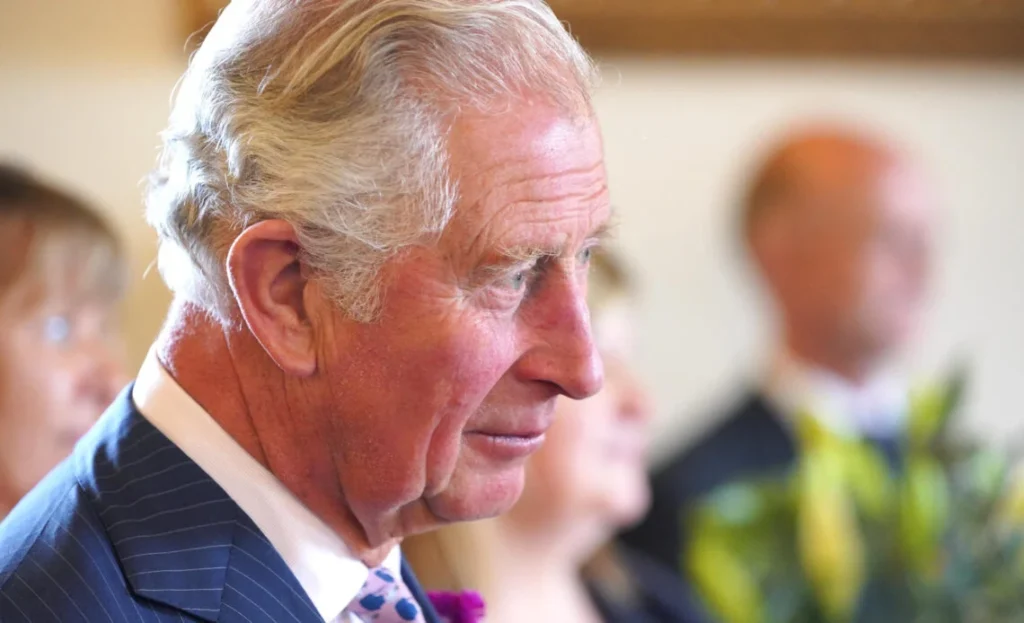

Irish President Catherine Connolly has extended a formal invitation to His Majesty King Charles III for an official state visit to Ireland next year, an invitation the monarch has "graciously accepted," according to President Connolly herself. The announcement came following a significant meeting between the President and the King at Buckingham Palace on Monday, marking a potentially pivotal moment in the long and complex relationship between Ireland and the United Kingdom. While Buckingham Palace has yet to issue an official confirmation, the President’s direct statement to reporters post-audience carries considerable weight and signals a high degree of anticipation for the royal engagement.
The meeting between President Connolly and King Charles III was a central element of the Irish President’s three-day official visit to the United Kingdom. This trip represents President Connolly’s inaugural official visit to Britain since assuming the presidency in late 2022, underscoring the diplomatic importance of her engagements. Her audience with the King at Buckingham Palace, a symbol of the British monarchy, provided a fitting backdrop for the significant invitation.
"I think the highlight really was the invitation that I extended him as the 10th president of Ireland to make a State visit to Ireland, and he graciously accepted that," President Connolly shared with the press corps gathered outside the palace. She elaborated that the finer details of the visit, including the precise timing and itinerary, will be meticulously coordinated and subsequently announced by the respective governments of Ireland and the United Kingdom. This intergovernmental consultation process is standard for state visits, ensuring all logistical, security, and diplomatic protocols are thoroughly addressed.
Should this state visit materialize as anticipated, it would mark King Charles III’s first official visit to the Republic of Ireland in his capacity as monarch. While this would be a historic first as sovereign, it is important to note that the then-Prince Charles maintained a consistent and engaged presence in Ireland throughout his decades as heir to the throne. His prior visits, often undertaken in his role as a representative of the Crown and in support of various charitable and cultural initiatives, have provided him with a deep and nuanced understanding of the country and its people. These previous engagements have undoubtedly helped to foster a degree of familiarity and goodwill that could contribute to the success of a future state visit.
President Connolly expressed her conviction that such a visit would serve as a powerful catalyst for further strengthening the already robust ties between Britain and Ireland. "I am sure that he will receive the warmest of welcomes and this will represent a further deepening of our relationship as neighbours and as friends," she stated, highlighting the enduring bonds of shared history, culture, and geography that connect the two island nations. The sentiment of friendship and neighborly relations is a recurring theme in the discourse surrounding Anglo-Irish affairs, and a royal state visit is often seen as a tangible manifestation of this sentiment.
Beyond the diplomatic and symbolic significance of a royal visit, the discussions between President Connolly and King Charles III also touched upon critical global issues. The President revealed that the pair engaged in conversations concerning climate change and environmental sustainability – areas that have long been a passion and a focus for King Charles. His decades of advocacy for environmental protection, dating back to his early initiatives like The Prince’s Trust and his outspoken concerns about ecological degradation, are well-documented. These shared interests provide a fertile ground for collaborative efforts and dialogue during any future official engagements.
Historical Context and the Significance of State Visits
The prospect of a state visit by a reigning British monarch to Ireland carries considerable historical weight. Such visits are not merely ceremonial; they are deeply symbolic gestures that reflect the evolving nature of bilateral relations. The last reigning British monarch to undertake a state visit to Ireland was Her Majesty Queen Elizabeth II, whose groundbreaking trip in 2011 is widely regarded as a landmark moment in modern Anglo-Irish relations.
Queen Elizabeth II’s visit, the first by a reigning monarch since Ireland’s independence, was a carefully orchestrated diplomatic success. It came at a time when relations, though significantly improved from previous decades, were still navigating the legacy of centuries of complex history. The Queen’s itinerary was meticulously planned to acknowledge this history while simultaneously looking towards a shared future. Her visit included poignant moments such as laying a wreath at the Garden of Remembrance in Dublin, a memorial to Irish patriots who fought for independence, and visiting Trinity College Dublin, a historic institution. The visit was characterized by a spirit of reconciliation and mutual respect, and it played a crucial role in fostering a more positive and forward-looking relationship between the two nations. The success of Queen Elizabeth II’s visit set a high precedent for future royal engagements.
King Charles III’s Previous Engagements in Ireland
As Prince of Wales, Charles demonstrated a consistent commitment to fostering positive relations with Ireland. His numerous visits to both the Republic of Ireland and Northern Ireland over the years provided him with invaluable firsthand experience of the country’s diverse regions, cultures, and people. These visits were often multi-faceted, encompassing:
- Cultural and Heritage Engagements: The then-Prince of Wales frequently attended cultural events, visited historical sites, and met with artists and heritage custodians, demonstrating a keen interest in Ireland’s rich cultural tapestry.
- Environmental Initiatives: Aligning with his long-standing environmental advocacy, Charles visited numerous conservation projects, met with environmental leaders, and supported initiatives aimed at protecting Ireland’s natural landscapes.
- Community and Charitable Work: He engaged with various community groups and charities, often in his capacity as patron or supporter, highlighting his commitment to social well-being and development. His work with The Prince’s Trust, which has expanded its reach into Northern Ireland, exemplifies this dedication.
- Diplomatic and Official Meetings: He also held meetings with Irish political leaders and dignitaries, contributing to the ongoing dialogue and cooperation between the UK and Ireland.
These prior engagements have allowed King Charles III to build personal connections and gain a deep appreciation for Ireland, which will undoubtedly inform his approach to a potential state visit as monarch. His familiarity with the country is a significant asset, potentially enabling a more personal and impactful experience for both the host nation and the visiting monarch.
The Broader Implications of a Royal State Visit
The confirmation of a state visit by King Charles III to Ireland would carry significant implications, extending beyond the immediate diplomatic sphere:
- Symbol of Reconciliation and Partnership: In the context of the evolving relationship between the UK and Ireland, particularly in the post-Brexit era, a royal state visit can serve as a powerful symbol of enduring partnership and a shared commitment to navigating future challenges together. It underscores the unique and deeply intertwined nature of the two nations’ histories and futures.
- Economic and Tourism Boost: State visits often generate considerable international media attention, which can translate into increased interest in the host country. This can provide a valuable boost to tourism and foster new opportunities for economic collaboration between Ireland and the United Kingdom. Historical data from previous state visits by the British monarchy to other countries has often shown a positive impact on bilateral trade and tourism figures in the years following the visit.
- Strengthening People-to-People Connections: Beyond the official governmental and diplomatic exchanges, royal visits have a unique ability to capture the public imagination and foster goodwill. They provide opportunities for the monarch to engage with a wider cross-section of society, further solidifying the "people-to-people" connections that are the bedrock of any strong bilateral relationship.
- Focus on Shared Values and Future Aspirations: With the King’s known commitment to environmental issues, a state visit could provide a platform to highlight shared aspirations for a sustainable future and explore avenues for joint action on critical global challenges such as climate change, biodiversity loss, and renewable energy. This aligns with Ireland’s own ambitious environmental targets and its role in international climate discussions.
Next Steps and Official Confirmation
While President Connolly’s statement offers a clear indication of the King’s acceptance, the official confirmation from Buckingham Palace will be a crucial next step. This confirmation will likely be accompanied by preliminary details regarding the timing and scope of the visit. The subsequent coordination between the Irish Department of Foreign Affairs and the UK’s Foreign, Commonwealth and Development Office will be extensive, involving meticulous planning of security arrangements, diplomatic protocols, public engagements, and media access.
The announcement of the visit, once officially made, will be keenly watched by observers of Anglo-Irish relations and by the public in both countries. It represents not just a formal diplomatic event, but a significant opportunity to reaffirm and advance the relationship between two close neighbors and friends, building upon a shared past while looking confidently towards a collaborative future. The echoes of Queen Elizabeth II’s historic 2011 visit will undoubtedly resonate, as King Charles III prepares to embark on his own chapter in the ongoing story of Anglo-Irish relations.