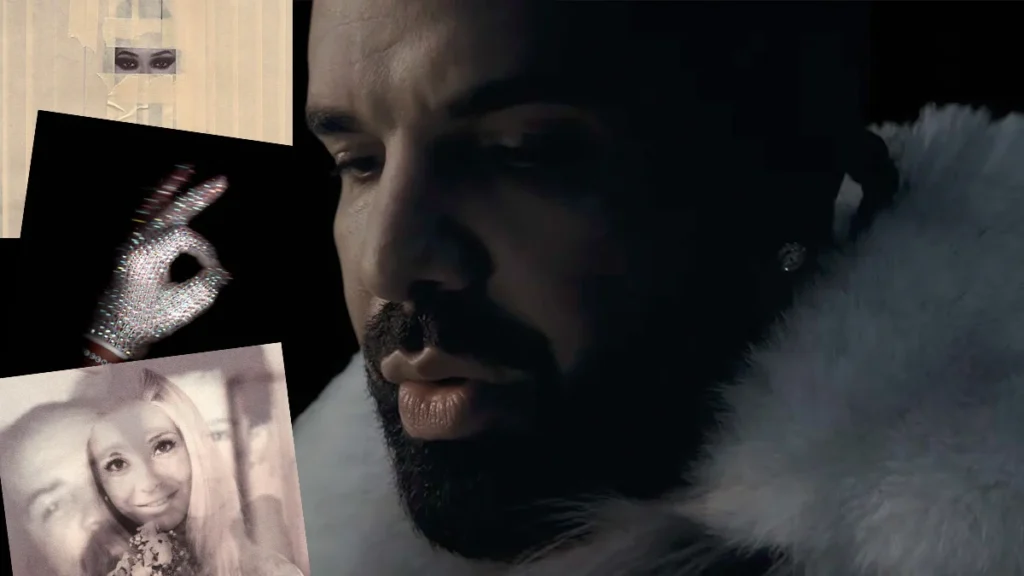

The Canadian hip-hop titan, Drake, has once again commanded the music world’s attention with an unprecedented move, dropping not one, not two, but three new albums simultaneously: Iceman, Maid of Honour, and Habibti. This colossal release, comprising 43 tracks and spanning an exhaustive two-and-a-half hours, is widely perceived as a strategic maneuver to fulfill his existing contractual obligations with Universal Music Group (UMG), while also serving as a sprawling, introspective, yet often defiant, statement on his career, his rivals, and his enduring place in the cultural zeitgeist.
An Unprecedented Triple Album Drop
The sheer volume of new material arrived as a surprise to many, even for an artist known for frequent releases and a prolific output. The trio of albums presents a comprehensive, albeit at times disjointed, "Drake experience," showcasing the various facets of his musical persona. Each project appears to lean into a distinct stylistic lane, a common tactic for artists releasing multi-part works.
- Iceman: This album emerges as Drake’s most overtly rap-focused and aggressive solo effort in recent years. It is characterized by hard-hitting beats, boasts of dominance, and direct lyrical confrontations. Tracks like "Whisper My Name" exemplify its confrontational tone, bristling with "tough talk and why-I-oughtas" that some critics argue feel somewhat anachronistic given his established status. This project is a clear attempt to reassert his prowess in the battle rap arena, a theme that permeates much of the lyrical content across the megadrop.
- Maid of Honour: Positioned to be a potential summer anthem generator, Maid of Honour delves into the house and dancehall-infused sounds Drake has successfully experimented with in the past. Echoing the vibes of tracks like "Controlla" and the entire Honestly, Nevermind project, this album aims for widespread appeal with its rhythmic, club-ready production. Songs such as "Which One" and "Amazing Shape" are early indicators of its intended impact on playlists and dancefloors, targeting a broader pop audience.
- Habibti: The most R&B-steeped of the three, Habibti largely struggles to find its footing amidst the sprawling release. While it features the predictably effective "WNBA," the project as a whole is described as "lost at sea," suggesting a lack of cohesive direction or compelling material that might distinguish it from Drake’s more successful R&B ventures. This album attempts to revisit the softer, more melodic side of his artistry, often exploring themes of romance and relationships, but with less critical success in this iteration.
A Deep Dive into Drake’s Psyche: Nostalgia and Unresolved Conflicts
A pervasive theme across all three albums is Drake’s deep-seated yearning for listeners to recall his earlier, arguably simpler, "glory days." This nostalgia is particularly evident in tracks that harken back to the "Blog Era," a period when Drake was an emerging talent captivating the internet with his distinct blend of rapping and singing. His lyrical content frequently revisits past relationships and perceived slights, demonstrating a consistent preoccupation with how he is viewed by former lovers. This often manifests in extended narratives across Maid of Honour and Habibti, where he "spins the block on all the women who thought he hated them."
However, this introspection is conspicuously devoid of genuine self-reflection regarding recent, high-profile controversies. Despite the intensity of the past year, which saw him embroiled in a highly publicized and vitriolic rap beef with Kendrick Lamar, Drake’s lyrical posture suggests an unearned sense of victory. On Iceman, for instance, he repeatedly resurrects the Kendrick Lamar beef, alongside other veiled and explicit disses aimed at various industry figures. This insistence on relitigating past conflicts, particularly one that many observers believed left him with significant reputational damage, highlights a peculiar lack of self-awareness.
The Unearned Victory Lap: Drake’s Self-Perception
The sentiment that Drake has not "absorbed the trauma of what he’s been through" is a central critique of this megadrop. His output is seen as mirroring a deficiency in self-reflection, particularly making Iceman feel like an "unearned victory lap." Lyrical excerpts, such as "Plot twist, the owl never sees the cage / The owl only wakes up to seize the day" from "Make Them Remember," underscore this perceived lack of perspective. The analogy of an owl unaware of its confinement is used to illustrate Drake’s apparent inability to acknowledge the scars and setbacks he has incurred, especially in the wake of the Lamar beef. Industry analysts suggest this indicates a deep-seated psychological need to project an image of invincibility, even when reality might dictate otherwise.
This self-perception also ties into his enduring connection to his earlier artistic identity. Tracing back to his second mixtape, 2007’s Comeback Season, and the track "The Presentation," Drake’s early work was marked by a playful exuberance in dissecting his own clever wordplay. This energy resurfaces on "Make Them Remember" with lines like, "As for these other suckers that’s tucked away / I’m down to put bills on they face / No wonder why they been duckin’ Drake / Bills on they face, no wonder why they been duckin’ Drake? Ah." While the delivery may now carry a hint of exasperation rather than pure glee, it reaffirms Drake’s continued admiration for his own lyrical craft, or that of his writing team.
Musical Direction and Production Choices
While Noah "40" Shebib remains Drake’s long-standing executive producer and sonic architect, this triple album release sees Drake casting a wider net for production talent. This approach signals a strategic move to infuse fresh sounds and expand his sonic palette, particularly in making his "loudest statements."
- West Coast Influence: Notably, Drake enlisted "Bay Area sound architect" P-Lo for "2 Hard 4 the Radio." This track not only features P-Lo’s distinctive production but also interpolates "Too Hard For the Fuckin Radio" by the late Bay Area legend Mac Dre, a clear nod to West Coast hip-hop heritage.
- Soulful Sampling: Oakland-born rapper and producer Ovrkast. also contributed to Iceman, specifically on "Make Them Pay." This track samples Deniece Williams’ ethereal 1976 soul classic "Free," demonstrating Drake’s continued ability to weave classic R&B and soul elements into his contemporary sound.
- Strategic Messaging: The selection of these West Coast producers for key tracks like "2 Hard 4 the Radio" and "Make Them Pay," both considered centerpieces of the rollout, is seen by observers as a deliberate message. It suggests an intent to draw on the raw, authentic energy of West Coast hip-hop, perhaps as a counterpoint to the more commercial sounds often associated with his brand, and to anchor the aggressive posture of Iceman.
Beyond the Music: The UMG Contract Dispute
Perhaps the most significant underlying narrative of this megadrop is Drake’s ongoing legal battle and his apparent desire to conclude his recording contract with Universal Music Group. His frustration with the label is palpable throughout Iceman. On the 21 Savage-assisted track "B’s on the Table," he states, "fighting the man, not suing the rapper," a thinly veiled reference to Kendrick Lamar, indicating his true adversary is the label, not his musical rivals. Furthermore, on "Make Them Pay," he declares, "Fuck it, I’ll battle the label, fuck it, I’ll battle the majors, I’ll battle the stations ’til my ass is back in rotation."
This lyrical antagonism is not without precedent. Last year, Drake’s defamation lawsuit against UMG was dismissed, though it is currently in appeal. The prevailing industry speculation, widely reported by outlets like Complex, suggests that dropping three albums simultaneously is a strategic move to rapidly fulfill the remaining album obligations on his contract. Major recording contracts typically bind artists for a specific number of albums or years, whichever comes first. By releasing such a voluminous amount of material, Drake could be attempting to accelerate the completion of his deal.
Should this strategy prove successful, it would usher in an era of "independent Drake." This prospect has generated considerable anticipation within the industry. An independent Drake would gain unprecedented control over his masters, distribution, and creative direction, potentially leading to more experimental projects, direct-to-fan engagement, and significantly higher profit margins from his work. This shift could redefine his career trajectory, allowing him to operate outside the traditional major label structure that has defined much of his global success.
Fan and Industry Reactions: A Mixed Bag
The immediate aftermath of such a massive release is often characterized by a mixed reception. For dedicated fans, a triple album drop offers an overwhelming abundance of new content, providing ample material for deep dives and prolonged listening. However, for casual listeners and critics, the sheer volume can be daunting, leading to listener fatigue and making it challenging to identify standout tracks or cohesive artistic statements.
Industry observers note that while megadrops can generate initial buzz, they also risk diluting the impact of individual songs and projects. In an era dominated by streaming and short attention spans, presenting 43 tracks at once could lead to many songs being overlooked. The challenge for Drake and his team will be to sustain interest across all three albums and guide listeners through such a vast musical landscape. Early indications suggest Maid of Honour might garner the most immediate commercial traction due to its accessible, dance-oriented sound, while Iceman caters to his core rap audience, leaving Habibti struggling to find its niche.
Implications for Drake’s Legacy and the Music Industry
This triple album release marks a pivotal moment in Drake’s career. It solidifies his reputation as one of the most prolific artists of his generation, willing to take unconventional routes to assert his dominance and manage his business affairs. The move to potentially conclude his UMG contract and pursue independence could set a precedent for other established artists looking to regain control of their artistic output and financial destiny.
The albums themselves, particularly Iceman with its continued focus on rap beef, highlight Drake’s ongoing struggle with legacy and perceived disrespect. Despite his undeniable commercial success and cultural influence, he consistently appears to feel the need to prove himself, to revisit old wounds, and to assert his lyrical superiority. This perpetual "chasing ghosts" suggests an artist deeply concerned with his narrative, constantly seeking to control the historical record of his achievements and rivalries.
In a broader sense, this megadrop reflects a trend towards artists leveraging their massive platforms for strategic purposes, be it contract fulfillment, artistic exploration, or simply maintaining cultural relevance through sheer volume. How these three albums ultimately perform, both critically and commercially, will offer valuable insights into the efficacy of such a large-scale release strategy in the contemporary music landscape, and what the future holds for one of hip-hop’s most enduring, and often enigmatic, figures. The music world now waits to see if this colossal effort will truly liberate Drake, or if the ghosts he chases will continue to haunt his prolific output.