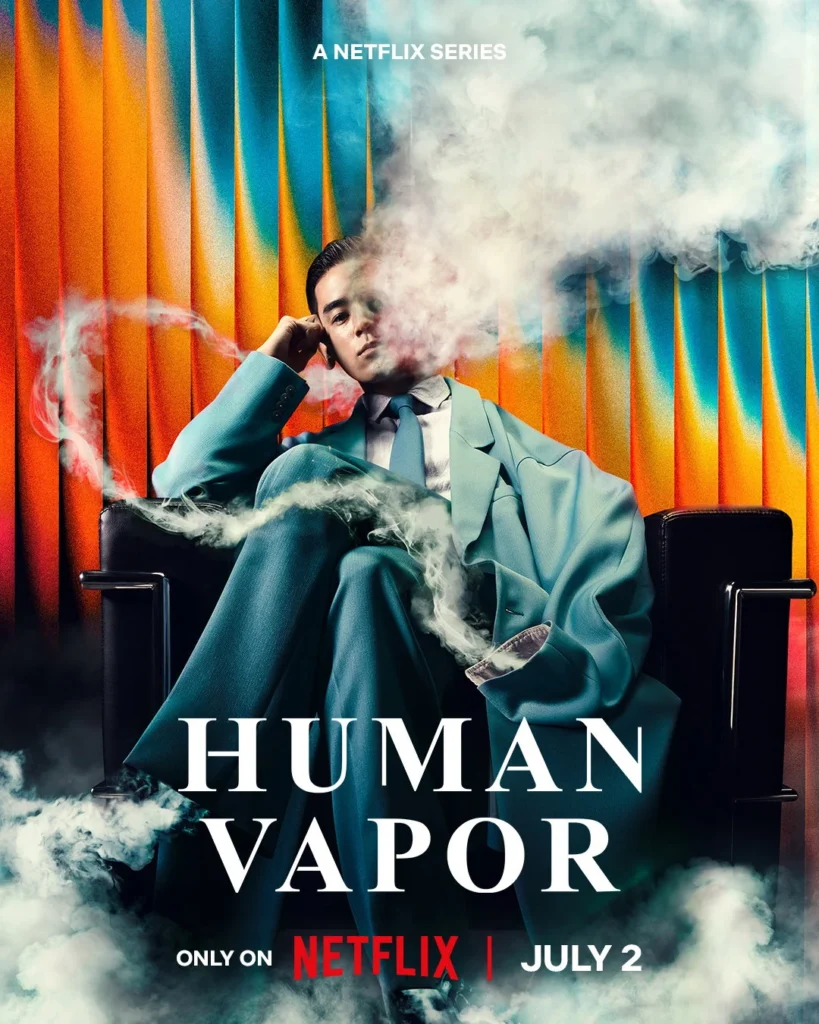

Netflix has unveiled the first teaser trailer for Human Vapor, a forthcoming sci-fi thriller series poised to deliver a chilling reimagining of Toho Studios’ classic 1960 film. This ambitious production, hailing from the acclaimed creative minds behind Train to Busan and the recent popular series "Gannibal," promises a contemporary take on a legendary Japanese narrative. The series, developed by Netflix Japan, centers on a phantom-like antagonist capable of transforming into a gaseous state, allowing him to bypass any physical impediment. As a wave of fear grips society, a determined detective and a persistent reporter embark on a desperate pursuit to apprehend an elusive force that appears to defy the very boundaries of human control and comprehension.
The original The Human Vapor, released in 1960, was directed by the visionary Ishirō Honda, renowned for his work on the iconic Gojira (Godzilla). This modern interpretation, however, shifts its focus from a potential superhero narrative to a more grounded and terrifying serial killer thriller, while still retaining elements that evoke both genres. The cast is headlined by Shun Oguri, alongside Yu Aoi, Suzu Hirose, Kento Hayashi, UTA, and Yutaka Takenouchi, suggesting a powerhouse ensemble performance. The initial teaser offers a glimpse into the series’ unsettling atmosphere and the macabre nature of the killer’s methods, hinting at a visually striking and suspenseful viewing experience.
A Legacy Reimagined: From Classic Cinema to Streaming Series
The genesis of Human Vapor can be traced back to the cinematic landscape of 1960s Japan, a period marked by significant advancements in special effects and storytelling within the science fiction genre. Ishirō Honda, a pivotal figure in Japanese filmmaking, brought The Human Vapor to life, introducing audiences to a unique antagonist whose supernatural abilities posed a novel threat. The original film, while a product of its time, laid the groundwork for a compelling premise that has now been resurrected for a new generation by Netflix.

The decision to adapt this classic for a modern streaming audience signifies a broader trend in the entertainment industry, where established narratives are being reinterpreted through the lens of contemporary technology and storytelling sensibilities. The involvement of producers and writers associated with globally recognized hits like Train to Busan suggests an intent to imbue Human Vapor with a similar level of international appeal and critical acclaim. The series is directed by Shinzo Katayama, a filmmaker who has garnered attention for his previous works such as Siblings of the Cape, Missing, "The Hovering Blade," and, most recently, "Gannibal." His directorial expertise is expected to translate the original concept into a visually dynamic and emotionally resonant thriller.
The Narrative Unfolds: A Formless Fear
The core premise of Human Vapor revolves around a terrifying antagonist who possesses the extraordinary ability to transform into a gas. This power allows the killer to infiltrate secure locations, evade capture, and strike with unnerving precision. The teaser trailer emphasizes this unique characteristic, depicting scenes that suggest the killer’s ephemeral nature and the psychological impact it has on both the characters and the viewing audience. The tagline, "Fear has no form," encapsulates the pervasive dread that the Human Vapor instills, as his actions seem to mock the efforts of law enforcement and the limitations of conventional investigation.
The narrative is further amplified by the involvement of screenwriters Yeon Sang-ho and Ryu Yong-jae, whose previous collaborations have demonstrated a knack for crafting gripping and thought-provoking stories. Their contributions are expected to lend depth and complexity to the character dynamics and thematic explorations within Human Vapor. The series is set to debut on Netflix worldwide on July 2nd, 2026, positioning it as a significant summer release for the streaming giant.
Production Details and Artistic Vision
The production of Human Vapor is a collaborative effort involving Toho Studios, a legendary name in Japanese cinema with a storied history of producing genre-defining films, and WowPoint. The association with Toho Studios is particularly significant, underscoring the series’ connection to Japan’s rich cinematic heritage. The original film’s screenplay was penned by Takeshi Kimura, and this modern iteration builds upon that foundation with the fresh perspectives of Yeon Sang-ho and Ryu Yong-jae.

The casting of Shun Oguri, a prominent actor in Japanese cinema known for his versatility, is a key factor in the series’ potential success. His role, along with the ensemble cast of Yu Aoi, Suzu Hirose, Kento Hayashi, UTA, and Yutaka Takenouchi, suggests a focus on strong character performances that will drive the narrative forward. The visual aesthetic of the series, as glimpsed in the teaser, appears to lean towards a darker, more atmospheric tone, aligning with the thriller genre and the inherent mystery of the Human Vapor’s abilities.
Societal Impact and Thematic Resonance
The concept of a killer who can manipulate their physical form to evade detection and instill widespread fear carries significant thematic weight. Human Vapor is poised to explore the anxieties of a society grappling with an intangible threat. The series may delve into questions of security, the limits of technology in combating unconventional adversaries, and the psychological toll of living under constant, formless dread. The announcement of advance killings, as suggested in the synopsis, adds another layer of terror, highlighting the killer’s deliberate control and the apparent helplessness of the authorities.
The series’ release on a global platform like Netflix ensures that this reimagining of a Japanese classic will reach a diverse international audience. This broad reach provides an opportunity to introduce a new generation of viewers to the enduring appeal of Japanese storytelling and the innovative spirit of its filmmakers. The success of similar international productions on streaming services indicates a growing appetite for diverse narratives and genres, and Human Vapor is positioned to capitalize on this trend.
Anticipation and Audience Reception
The release of the first teaser trailer has generated considerable buzz among fans of sci-fi thrillers and Japanese cinema. The promise of a grounded, chilling take on a classic monster concept, combined with the pedigree of the creative team and cast, has set high expectations. The trailer’s initial reception on platforms like YouTube indicates a strong interest in the series, with viewers expressing excitement about the visual effects, the suspenseful premise, and the opportunity to see a beloved story revitalized.

As the release date of July 2nd, 2026, approaches, further promotional materials and interviews with the cast and crew are anticipated, which will undoubtedly provide deeper insights into the series’ artistic vision and thematic concerns. The marketing campaign will likely focus on building suspense and highlighting the unique abilities of the Human Vapor, aiming to capture the attention of a global audience looking for a thrilling and thought-provoking viewing experience. The series represents a significant investment by Netflix in producing high-quality international content, and Human Vapor is poised to be a notable addition to its expansive library of original programming. The careful integration of classic Japanese cinema with modern production techniques and global storytelling strategies suggests that Human Vapor aims to be more than just a remake; it aspires to be a definitive contemporary interpretation of a compelling and enduring narrative.