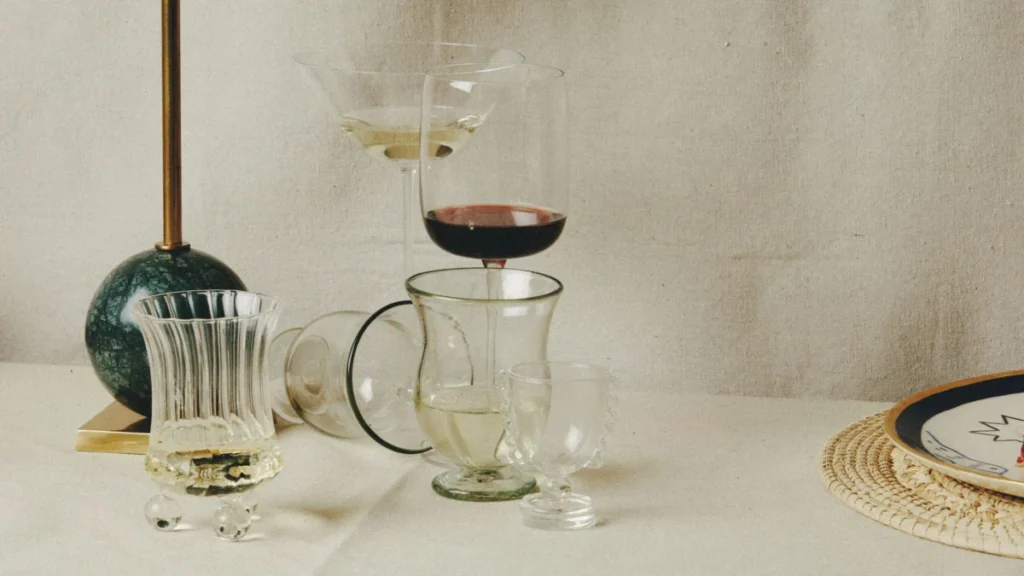

The act of drinking is a fundamental human necessity, yet in the context of contemporary interior design and hospitality, the vessels used to consume beverages have evolved far beyond mere utility. Glassware serves as a bridge between functionality and aesthetic expression, transforming the mundane ritual of hydration or the celebratory nature of a cocktail into a curated experience. Recent shifts in consumer behavior indicate that homeowners are increasingly investing in high-quality glassware, treating these items as essential components of home decor rather than disposable kitchen inventory. This trend, bolstered by a post-pandemic focus on "home-centric" living and elevated entertaining, has prompted a surge in demand for artisanal, designer, and specialty glassware.
The Evolution of Glassware in Domestic Spaces
Historically, glassware was categorized strictly by its purpose—a water glass for daily consumption, a flute for champagne, and a heavy-bottomed tumbler for spirits. However, the modern marketplace has seen a blurring of these lines. Design experts note that the "democratization of luxury" has allowed consumers to seek out pieces that possess both durability and artistic merit.

Market research from the home goods sector suggests that the global glassware market is experiencing steady growth, projected to continue as consumers prioritize home environments that reflect their personal style. This evolution is driven by several factors, including the influence of social media platforms like Instagram and Pinterest, where "tablescaping" has become a popular hobby. According to recent surveys on consumer spending in home categories, individuals are now more likely to allocate discretionary income toward items that enhance the "sensory experience" of dining, such as hand-blown tumblers, colored crystal, and ergonomically designed stems.
A Chronology of Style: From Utility to Statement Piece
The timeline of glassware trends over the last decade mirrors broader changes in interior design. In the early 2010s, the minimalist aesthetic dominated, with clear, thin-rimmed, and utilitarian glassware being the standard for high-end dining. By the late 2010s, there was a noticeable pivot toward vintage revivals, with interest peaking in mid-century modern coupes and etched patterns.
Entering the 2020s, the focus shifted toward "organic" and "artisanal" designs. The pandemic-induced isolation accelerated this shift, as people sought to create festive environments within their own homes. This period marked the emergence of brands that championed vibrant colors, irregular shapes, and sustainable, recycled materials. Today, the market is defined by a synthesis of these eras: the precision of modern manufacturing combined with the character of traditional, hand-blown techniques.

Curated Selections for the Modern Home
To understand how these trends manifest in current product offerings, one must examine the specific design choices currently favored by industry leaders.
The LSA International Borough Collection
The LSA International Borough wine glasses exemplify the demand for "everyday luxury." Featuring generously sized bowls, these glasses are engineered to facilitate the aeration of wine—a critical step for oenophiles—while remaining robust enough for daily use. Their composition, using dishwasher-safe crystalline glass, addresses a primary consumer concern: the balance between high-end quality and the practical necessity of low-maintenance care. Industry analysts often cite such "hybrid" products as the primary drivers of growth in the premium kitchenware segment.
The Rise of Technicolor Stemware
Estelle Colored Glass has been a central figure in the recent revival of colored glassware. Their champagne coupes serve as a case study in how a specific product category can revitalize an entire aesthetic movement. By offering an assortment of vibrant, saturated hues, the brand allows consumers to personalize their hosting experience. This shift represents a broader departure from the "all-clear" glassware sets of the past, favoring a maximalist approach that prioritizes visual impact at the table.

Artisanal Imperfection: The La Riccia Philosophy
At the intersection of sustainability and design lies the movement toward "perfectly imperfect" glassware, such as the offerings from il Buco Vita. The La Riccia glasses, hand-blown from recycled glass without the use of molds, represent a conscious move away from mass production. In an era of automated manufacturing, the inherent irregularities in these pieces—subtle shifts in color and slight variations in shape—serve as a mark of authenticity. This resonates with a growing demographic of consumers who value the narrative and human element behind the objects they own.
Precision and Performance: The Glasvin Obsession
While aesthetics are paramount, technical performance remains a cornerstone for wine enthusiasts. The Glasvin Obsession glass serves as an example of performance-driven design. Despite their "featherlight" construction, these glasses are designed to maximize the aromatic profile of a wine. The fact that such delicate-looking pieces are also dishwasher-safe suggests that modern manufacturing has advanced to a point where aesthetic refinement no longer necessitates fragility.
Whimsical Geometry: Sophie Lou Jacobsen
Designers like Sophie Lou Jacobsen have pushed the boundaries of traditional glassware by introducing organic, floral-inspired silhouettes. The Verre glasses, with their fanning, petal-like rims, demonstrate how design can evoke emotion. By utilizing durable borosilicate glass, these pieces bridge the gap between sculptural art and functional kitchenware. This approach is increasingly popular among younger demographics who view their home accessories as extensions of their personal identity.

The Playful Update: Noon and Moon
Even the most traditional forms, such as the martini glass, are subject to reinvention. The spiral-stemmed glasses from Noon and Moon highlight the trend of "sculptural functionalism." By altering a single element—the stem—the entire identity of the glass is transformed, turning a cocktail service into a conversation piece.
Analytical Perspectives on Market Implications
The proliferation of these diverse styles carries significant implications for the manufacturing and retail sectors. First, there is a clear move toward "transitional" products—items that work equally well for a casual weeknight dinner as they do for a formal dinner party. Retailers are finding that consumers are less interested in maintaining separate "everyday" and "special occasion" sets, preferring instead to invest in a smaller number of high-quality, versatile pieces.
Second, the emphasis on materials such as recycled glass and durable borosilicate reflects a growing consumer awareness regarding sustainability. Modern households are increasingly scrutinizing the carbon footprint of their purchases, favoring brands that emphasize longevity and environmentally conscious production methods.

Finally, the shift toward personalization suggests that the home goods market is becoming increasingly fragmented. Where once a single brand might have dominated a household’s cupboard, today’s consumers are curating "collections" of items from various designers and artisans. This allows for a more eclectic and curated living space, moving away from the "catalogue look" of previous decades.
Broader Impact on Hospitality and Home Living
The rise of elevated glassware is not merely a trend in retail; it is indicative of a broader cultural change in how we perceive the home. As the boundaries between work, leisure, and socialization continue to blur, the home has become a sanctuary for self-expression. The objects we choose to surround ourselves with, particularly those we handle multiple times a day, play a subtle but profound role in our daily satisfaction.
When a glass of water is served in a vessel that feels balanced in the hand and pleasing to the eye, the act of hydration is elevated. This "mindful consumption" is a recurring theme in contemporary wellness and design literature. By intentionally choosing the tools we use for basic tasks, we can cultivate a sense of ritual in our daily lives.

In conclusion, the current landscape of glassware offers something for every preference, whether it be the technical precision of a performance wine glass, the nostalgic charm of hand-blown recycled glass, or the bold statement of colorful, sculptural pieces. As consumer preferences continue to evolve, the industry is likely to see further innovation, with an emphasis on sustainable materials, ergonomic improvements, and artistic collaboration. Ultimately, the modern glassware collection is no longer just about utility; it is a reflection of the host’s personality and a testament to the idea that every pour—no matter how ordinary—deserves to be an occasion.