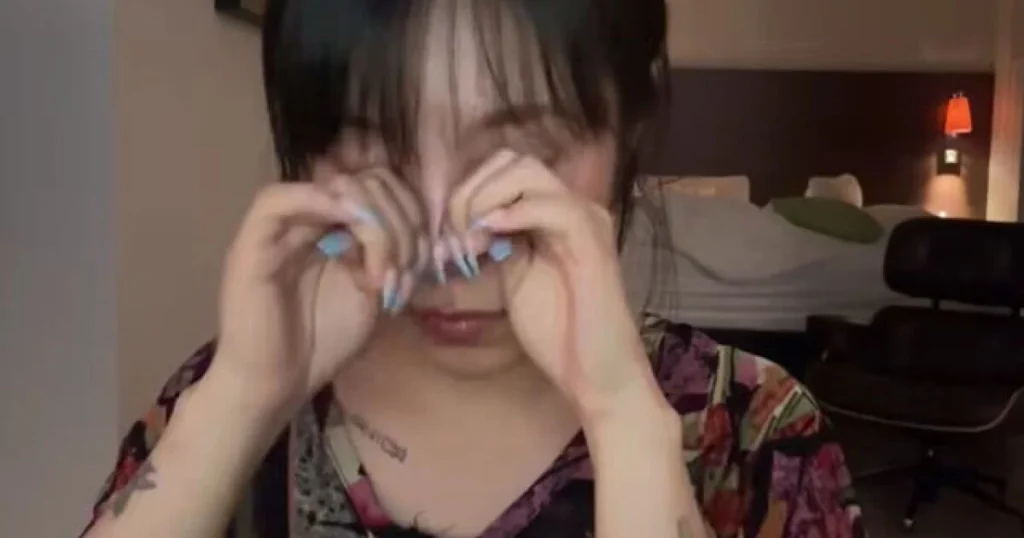

The pressures of K-pop stardom, the complexities of long-term group longevity, and the unforgiving nature of public opinion once again collided during a recent digital broadcast hosted by MAMAMOO member Wheein. The vocalist and performer found herself at the center of an unexpected online controversy following a casual live streaming session in which she grew visibly emotional while reflecting on the height of MAMAMOO’s career. While the singer intended to share a moment of vulnerability with her dedicated fanbase, the remarks elicited a mixed and largely unsympathetic response from netizens, highlighting the delicate relationship between K-pop idols, contract renewals, and public nostalgia.
Main Facts of the Broadcast and Immediate Controversy
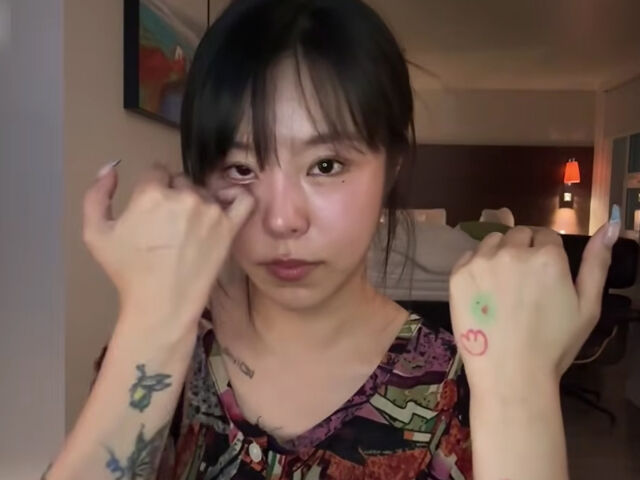
The incident occurred during an informal live broadcast in which Wheein engaged in a casual "mukbang"—eating on camera—while dressed in comfortable attire to converse with supporters. As the conversation drifted toward her emotional state during the group’s ongoing international tour, Wheein admitted that she has grown increasingly sentimental in recent years, a stark contrast to her early twenties when the group was establishing its dominant presence in the South Korean music industry.
Reflecting on the rigorous schedules of MAMAMOO’s peak years, Wheein candidly expressed the internal conflict she experienced at the time. She explained that the relentless pace of promotions left little room for personal reflection or rest, leading her to harbor resentment toward the overwhelming workload during her youth. However, with the perspective granted by time and maturity, her view of that grueling period has shifted significantly. She confessed that she frequently watches vintage footage of MAMAMOO’s promotional cycles while drinking alone at home, noting that these solitary viewings often culminate in tears as she mourns the passage of that golden era.
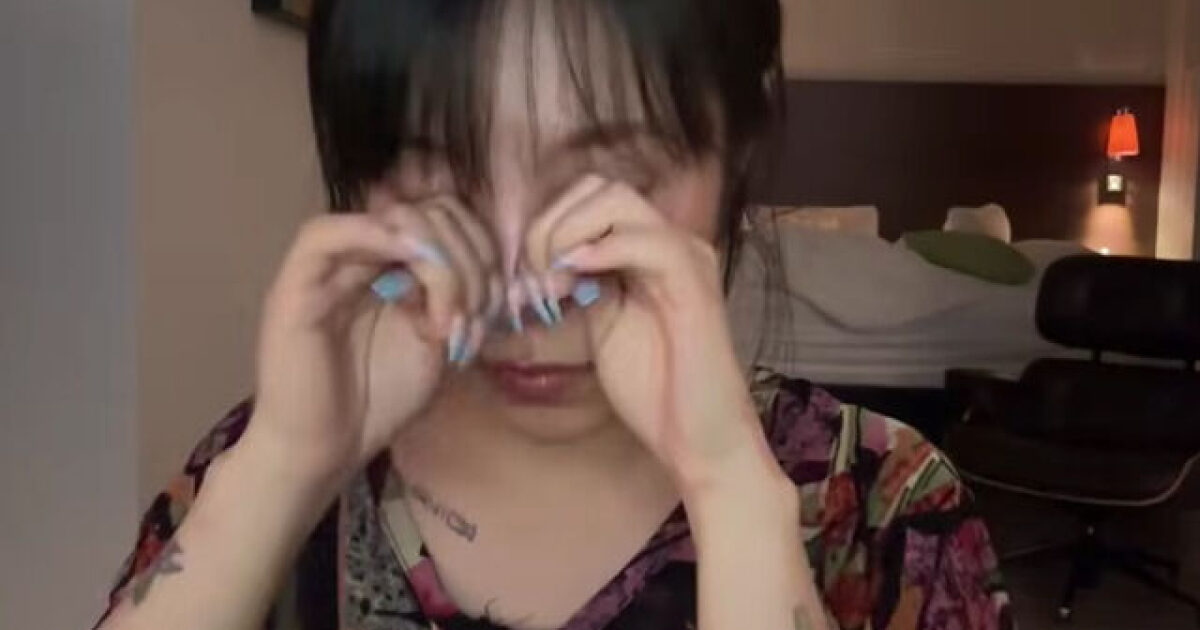
Wheein also referenced advice she received years prior from prominent entertainer Kim Shin Young, whom she had once told of her desire to quit the industry altogether. According to Wheein, Kim Shin Young wisely advised her that despite the hardships, she would inevitably yearn for those intense days in the future. At the time, the young idol could not comprehend the sentiment; however, looking back from her current vantage point, she acknowledged the profound accuracy of Kim Shin Young’s words.
Chronology and Historical Context of MAMAMOO
To understand the weight of Wheein’s reflections, it is essential to examine the historical trajectory of MAMAMOO, one of the most vocally accomplished and critically acclaimed girl groups of the third K-pop generation. Comprising members Solar, Moonbyul, Wheein, and Hwasa, the quartet officially debuted in June 2014 under Rainbow Bridge World (RBW). From the outset, MAMAMOO distinguished themselves in a crowded industry through their powerhouse live vocals, charismatic stage presence, and a unique retro-infused musical style that blended R&B, jazz, and traditional pop elements.
Throughout the mid-to-late 2010s, the group ascended to the pinnacle of the K-pop industry, delivering a string of consecutive chart-topping hits including "Mr. Ambiguous," "Um Oh Ah Yeh," "You’re the Best," "Decalcomanie," "Starry Night," and "gogobebe." Their commercial success was matched by critical acclaim, making them household names in South Korea and establishing a fiercely loyal international fanbase known as Moomoos.
The group’s operational dynamic shifted significantly as members reached the standard seven-year contract expiration mark in 2021. In June of that year, Wheein chose not to renew her exclusive artist contract with RBW, opting instead to sign with the independent label THE L1VE, while maintaining an agreement with RBW to participate in group activities for a specified period. A similar structural shift occurred in 2023 when Hwasa officially departed RBW to sign with P Nation, further decentralizing the members’ management while they pursued individual solo careers. Despite these administrative changes, the group managed to release targeted music, culminating in their 2022 mini-album "MIC ON" and its lead single "ILLELLA." Following a prolonged period of individual focus, the quartet reunited under a collective banner to launch their ambitious MAMAMOO 2026 WORLD TOUR [4WARD], marking a four-year hiatus from major collaborative touring.
Public and Netizen Reactions
The dichotomy between Wheein’s emotional outpouring and the public’s perception quickly fueled discussions across major South Korean online forums and social media platforms. While dedicated fans expressed sympathy for the immense psychological tolls endured by idols working under relentless touring schedules, a vocal segment of netizens reacted with skepticism, criticism, and bewilderment.
The primary point of contention among critical commentators centered on the administrative choices made by Wheein and her fellow members regarding contract renewals. Numerous online users pointed out that the member departures and subsequent decentralization of the group were decisions made by the artists themselves, rendering expressions of nostalgia regarding the group’s peak somewhat contradictory. Prominent recurring comments on community boards included queries such as, "If you missed it so much, why didn’t you renew your contract?" and "She chose not to renew, yet she cries over the past—this does not resonate."
Other reactions questioned the appropriateness and setting of the disclosure, with some netizens speculating on whether the artist’s consumption of alcohol during the broadcast impaired her judgment or exaggerated her emotional state. Observers also noted a degree of confusion regarding the group’s current status, with some fans asserting that MAMAMOO maintains a strong legacy and remains active, while others interpreted the tearful monologue as an indirect sign of impending permanent disbandment or creative exhaustion.
Analysis of Industry Implications and Idol Burnout
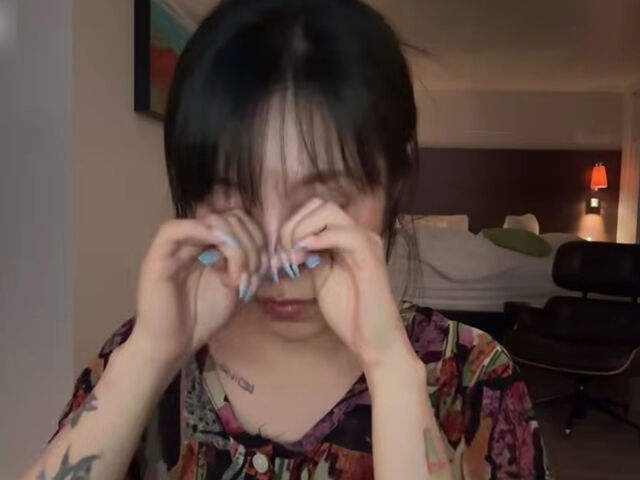
The incident involving Wheein serves as a micro-cosm for broader systemic issues within the contemporary K-pop industry, particularly regarding artist retention, mental health, and the psychological burden of sustaining peak commercial success.
The phenomenon described by Wheein—the inability to appreciate success while it is actively occurring due to extreme physical and mental fatigue—is a well-documented psychological hurdle among high-performing entertainers. In an industry defined by hyper-competitive promotional cycles, short-form content demands, and grueling global touring schedules, performers frequently operate in a state of chronic exhaustion. The pressure to maintain a flawless public image while managing the physical toll of choreography, live vocals, and constant travel leaves minimal room for introspection or psychological recovery.
Furthermore, the public reaction underscores the complex expectations placed upon idols by consumers. While fans demand authenticity and vulnerability from performers during live broadcasts, these spontaneous disclosures often intersect with sensitive business realities, such as contract negotiations, agency departures, and group hiatuses. When an artist laments the loss of a collective peak that was altered by individual career restructuring, audiences frequently struggle to reconcile the emotional sentiment with the administrative choices that precipitated the change.
As MAMAMOO continues their MAMAMOO 2026 WORLD TOUR [4WARD], the discourse sparked by Wheein’s live stream highlights the enduring emotional bonds between the members and their audience, alongside the inevitable friction that arises as legacy K-pop groups navigate their second decade in the public eye. While the path of independent artistry allows performers greater creative autonomy and personal freedom, it concurrently demands a bittersweet trade-off: bidding farewell to the synchronized, unstoppable momentum of their early years while carrying the heavy, sometimes melancholic memories of an era that can never be fully replicated.