

Global superstardom typically comes hand-in-hand with an elevated level of privacy, luxury, and security. For most A-list celebrities, navigating daily life involves tinted windows, private vehicles, entourage support, and meticulously planned routes to avoid public scrutiny. However, BLACKPINK member and international icon Jisoo recently upended these expectations during a television appearance, revealing that she routinely utilizes public transportation, such as city buses, to navigate her daily routine in Seoul.
The revelation took place during a guest appearance on the popular SBS variety program Whenever Possible. Jisoo appeared alongside fellow K-pop royalty Nayeon of TWICE, creating an unprecedented crossover event between two of the industry’s most influential girl groups. As the episode unfolded, the conversation shifted from their grueling schedules and upcoming artistic endeavors to the starkly grounded realities of their personal lives outside the spotlight. When the topic of city navigation arose, Jisoo casually mentioned her preference for the local bus system, leaving both the hosts and viewers astounded by her remarkably down-to-earth lifestyle choices.
The Reality of Commuting in Seoul: Why Jisoo Prefers the Bus
During the broadcast, Jisoo elaborated on the practical reasons behind her unusual commuting habits. Far from being a publicity stunt or an experimental challenge for television, riding the bus is a functional choice she makes regularly. The primary motivation, she explained, is efficiency and the need to circumvent Seoul’s notorious traffic congestion.
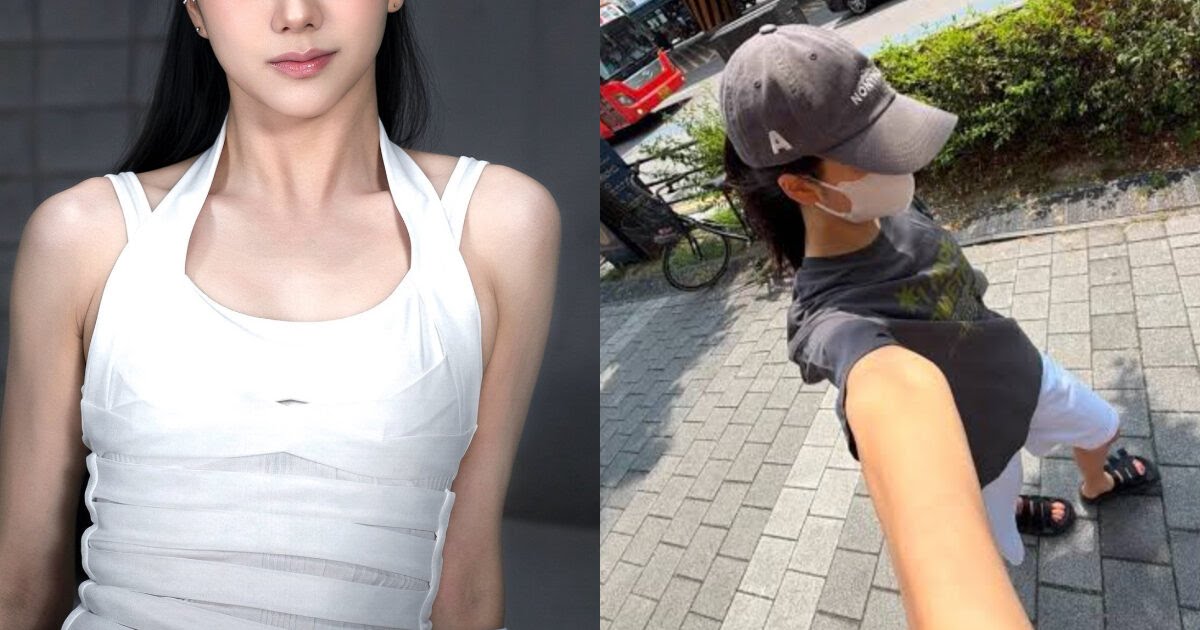
"Whenever I want to go home quickly, I always take the bus," Jisoo explained to the cast, highlighting the distinct advantage of Seoul’s dedicated bus lanes, which frequently bypass the gridlock that catches standard automobiles. Furthermore, she noted that the bus serves as a reliable and efficient mode of transportation when she wants to pursue personal interests, such as attending theatrical performances. "I take the bus often to go see plays," she added.
When asked by the hosts if she encounters difficulties with public recognition or privacy while boarding crowded vehicles, Jisoo offered a surprising perspective. Contrary to popular belief that a global superstar would instantly draw crowds, she revealed that anonymity is surprisingly accessible in plain sight. "People don’t recognize me," she noted simply, attributing it to the fact that everyday commuters are typically engrossed in their own routines, smartphones, or personal thoughts.
The conversation then turned to the production style of Whenever Possible, which often requires the cast and guests to walk openly through city streets and interact with everyday citizens. Jisoo expressed initial surprise at the show’s unscripted and exposed format, admitting, "I didn’t know we would be able to walk around so freely!" Veteran host Yoo Jae Suk, well-accustomed to impromptu street filming and public interactions, offered a pragmatic piece of advice tailored to the unpredictable nature of public outings: "You just have to walk quickly before people recognize you."
Background Context: The Evolution of Variety Show Appearances for A-List Idols
To fully understand the significance of Jisoo’s remarks, it is essential to examine the shifting landscape of South Korean entertainment and the strategic positioning of top-tier idols. Historically, members of globally dominant groups like BLACKPINK rarely participated in domestic variety shows due to packed international touring schedules, brand ambassador commitments, and strict agency management protocols designed to maintain an aura of exclusive untouchability.

In recent years, however, the industry has experienced a noticeable shift. As K-pop acts achieve unprecedented global penetration, individual members have increasingly sought out opportunities to connect with domestic audiences through relatable, grounded media appearances. Programs like Whenever Possible, which focus on ordinary human interactions, neighborhood visits, and slice-of-life conversations, provide an ideal platform for these artists to shed their polished stage personas and reveal their authentic personalities.
Jisoo’s appearance alongside TWICE’s Nayeon also holds considerable symbolic weight within the K-pop community. Historically, the entertainment industry and media outlets frequently attempted to manufacture rivalries between top-tier girl groups from competing agencies. By appearing together on a mainstream variety program, Jisoo and Nayeon demonstrated the genuine camaraderie and mutual respect that exists behind the scenes among veterans of the third-generation K-pop wave. Their interaction not only generated massive viewership metrics for SBS but also reinforced a cultural shift toward unity and openness among industry peers.
Chronology and Event Timeline
The revelation occurred during the standard production schedule of SBS’s Whenever Possible, a program known for its spontaneous street-level engagement.
- Pre-Production and Casting Confirmation: Producers announced the collaboration featuring BLACKPINK’s Jisoo and TWICE’s Nayeon as featured guests, instantly generating trending status across social media platforms and domestic search engines.
- Filming Day: The cast and guests recorded episodes navigating various urban locations, interacting directly with local residents, and discussing the nuances of their daily routines.
- Broadcast Airdate: The specific episode containing Jisoo’s comments regarding public transportation aired, quickly circulating across online communities, news portals, and international fan forums.
- Immediate Aftermath: Media outlets and netizens began analyzing the clip, praising the idol’s humility and contrasting her global status with her modest lifestyle choices.
Supporting Data and Industry Implications
The public reaction to Jisoo’s transit habits offers valuable insight into changing consumer perceptions of celebrity culture. In an era where hyper-curated social media feeds often project an unattainable lifestyle of perpetual luxury, authenticity has become a critical currency for public figures.

Data from entertainment analysts consistently show that content highlighting a celebrity’s relatable habits—such as using public transit, visiting local markets, or engaging in mundane household chores—significantly boosts public favorability and fan engagement. When a high-profile artist associated with luxury fashion houses like Dior and Cartier speaks casually about catching a city bus to avoid traffic, it bridges the psychological gap between the icon and the everyday consumer.
Furthermore, the logistics of public transportation in major metropolitan areas like Seoul highlight the viability of such choices. Seoul’s public transit infrastructure is widely recognized as one of the most efficient, clean, and technologically advanced systems in the world. Comprehensive subway networks, real-time bus tracking systems, and dedicated transit lanes make commuting a viable option even for high-net-worth individuals who wish to avoid the city’s severe peak-hour traffic jams. Jisoo’s ability to blend into a crowd on a public bus speaks not only to her low-key personal style when off-duty but also to the fast-paced, individualistic nature of urban commuters who rarely second-guess their fellow passengers.
Broader Impact on Celebrity Culture and Public Perception
The overarching implication of this broadcast moment extends beyond standard entertainment news. As K-pop continues to command global attention, the pressure on idols to maintain flawless, unapproachable images remains immense. Incidents where artists casually subvert these expectations serve to humanize global superstars, reminding the public that beneath the rigorous training, chart-topping albums, and high-fashion campaigns lie ordinary individuals who simply appreciate a fast and convenient way to get home.
By sharing her experiences on Whenever Possible, Jisoo has contributed to a broader cultural narrative that values grounded humility over manufactured perfection. As public appetite shifts toward genuine transparency, moments like these ensure that artists maintain a lasting, empathetic connection with their audiences, proving that true star power does not require the isolation of a private limousine—sometimes, it looks just like catching the evening bus.