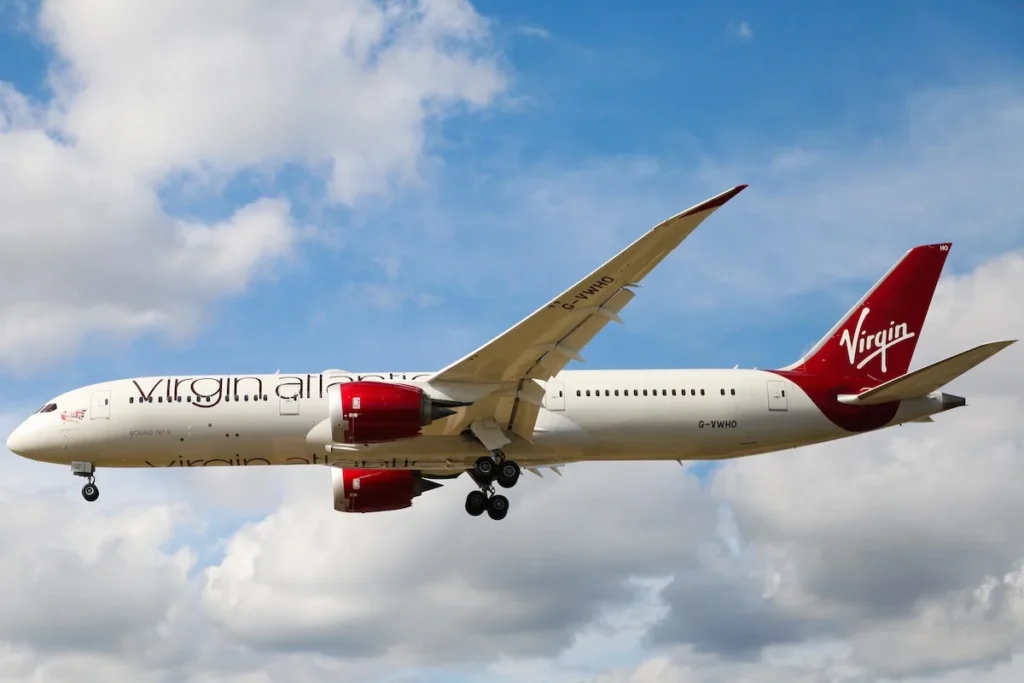

A routine long-haul flight from Melbourne to Doha transformed into a harrowing security crisis on September 11, 2026, as two male passengers were forcibly restrained following a violent altercation that jeopardized the safety of those on board. The incident, which occurred on Virgin Australia flight VA7—operated as a codeshare by Qatar Airways—forced cabin crew to engage in a high-stakes struggle to contain the individuals while the aircraft was thousands of feet above the earth. The event has reignited global conversations regarding airline security protocols, the rise of unruly passenger behavior, and the complexities of international jurisdiction in mid-air emergencies.
Chronology of the In-Flight Disturbance
The flight departed Melbourne Airport at approximately 4:00 p.m. local time on Friday, September 11. According to witness accounts and reports filed with aviation authorities, the trouble began almost immediately after the aircraft reached cruising altitude. Passengers seated in the vicinity of the two men reported that the pair displayed erratic behavior, characterized by persistent restlessness and unnecessary movement throughout the cabin.
A female passenger, who requested anonymity, detailed a pattern of invasive conduct during the early hours of the flight. She noted that the individuals repeatedly vacated their assigned seats, encroached upon the personal space of other travelers, and physically interfered with the belongings of those around them. The suspects were observed rummaging through their own luggage in a frantic manner, claiming to be searching for misplaced items, which heightened the unease of surrounding passengers.
The situation escalated significantly approximately six hours prior to the scheduled arrival in Doha. The verbal agitation between the two men shifted into physical violence, prompting an intervention from the cabin crew. As flight attendants attempted to de-escalate the situation, the suspects reportedly became physically aggressive, engaging in headbutting and spitting. Witnesses have alleged that the men made explicit threats against the lives of fellow passengers and crew members, including specific claims that they possessed a firearm on board. The severity of the confrontation necessitated a massive, coordinated response from the crew, with reports indicating that as many as six staff members were required to restrain each individual.
Official Statements and Security Response
Qatar Airways, the carrier operating the flight, issued a formal statement on Saturday to address the security breach. The airline confirmed that two male passengers were involved in a physical altercation and were subsequently restrained by the cabin crew. Upon the aircraft’s landing in Doha, the individuals were handed over to local law enforcement for further investigation and legal processing.
"The safety and wellbeing of our crew and passengers remain our highest priority," the airline stated. While the company has not provided specific details regarding the alleged threats of a firearm, the nature of the diversion and the subsequent police intervention underscore the gravity with which the incident was treated. International aviation security protocols dictate that any threat involving weapons or physical violence against crew members results in immediate isolation of the suspects and, if necessary, an emergency landing. In this instance, the flight continued to its final destination, where authorities were waiting on the tarmac.
Rising Trends in Unruly Passenger Behavior
The incident on flight VA7 is part of an alarming upward trend in disruptive passenger behavior observed globally since 2020. Data from the International Air Transport Association (IATA) and various civil aviation authorities suggest that incidents of "unruly behavior"—which can range from verbal non-compliance to physical assault—have increased in frequency and intensity.
Aviation experts point to several contributing factors, including the high-stress environment of long-haul travel, potential substance impairment, and the psychological strain of modern air travel. When passengers engage in physical violence against cabin crew, it presents a unique operational challenge. Unlike ground-based law enforcement, flight attendants are trained primarily in safety and emergency procedures rather than combat or tactical restraint. The reliance on crew members to manage violent individuals until landing places a significant burden on their ability to maintain the safety of the remaining passengers.
The Complexity of International Jurisdiction
The occurrence of such an incident on a codeshare flight—where a ticket is sold by one airline (Virgin Australia) but the aircraft is operated by another (Qatar Airways)—adds a layer of complexity to the legal proceedings. Jurisdiction in international aviation is generally governed by the Tokyo Convention of 1963, which stipulates that the state of registration of the aircraft has the authority to exercise jurisdiction over offenses committed on board.
Because the flight was operated by Qatar Airways, the legal responsibility for handling the suspects upon arrival fell to Qatari authorities. The men now face the prospect of being charged under local laws in Qatar, which carry strict penalties for endangering the safety of an aircraft. Furthermore, the incident will likely trigger an investigation by the Australian Civil Aviation Safety Authority (CASA) to determine if there were any failures in pre-boarding security protocols, particularly given the allegations regarding potential weapons.
Impact on Passenger Safety and Future Policy
The psychological impact on the passengers and crew aboard flight VA7 cannot be overstated. For many, the timing of the incident—occurring on the anniversary of the September 11 attacks—added an extra layer of anxiety to an already terrifying ordeal. Witnesses described the scene as "disgraceful" and "terrifying," highlighting the physical and emotional toll taken on the flight attendants who were forced to put themselves in harm’s way to protect the cabin.
This event serves as a stark reminder of the limitations of in-flight security. Unlike the cockpit, which has been highly fortified since 2001, the passenger cabin remains a vulnerable space where order is maintained primarily through the authority and training of the cabin crew. Industry analysts suggest that this incident may lead to renewed calls for stricter international regulations regarding the physical restraint of passengers, increased staffing levels on long-haul international flights, and perhaps the more widespread deployment of air marshals on routes deemed high-risk.
Conclusion and Ongoing Investigations
As the investigation continues in Doha, the aviation community remains focused on the welfare of the crew and passengers involved. The actions of the two detained men have not only resulted in potential criminal charges but have also disrupted the travel plans and peace of mind of hundreds of individuals. The incident highlights the critical need for robust, standardized responses to mid-air violence.
Moving forward, airlines and regulatory bodies must evaluate whether current training and security measures are sufficient to combat the increasing severity of passenger aggression. While the flight successfully landed without further catastrophe, the event serves as a sobering case study in the fragility of safety at 30,000 feet. The outcome of the legal proceedings in Qatar will likely set a precedent for how such international mid-air incidents are adjudicated in the future, providing a clearer roadmap for airlines to handle, report, and prosecute those who threaten the safety of the skies.