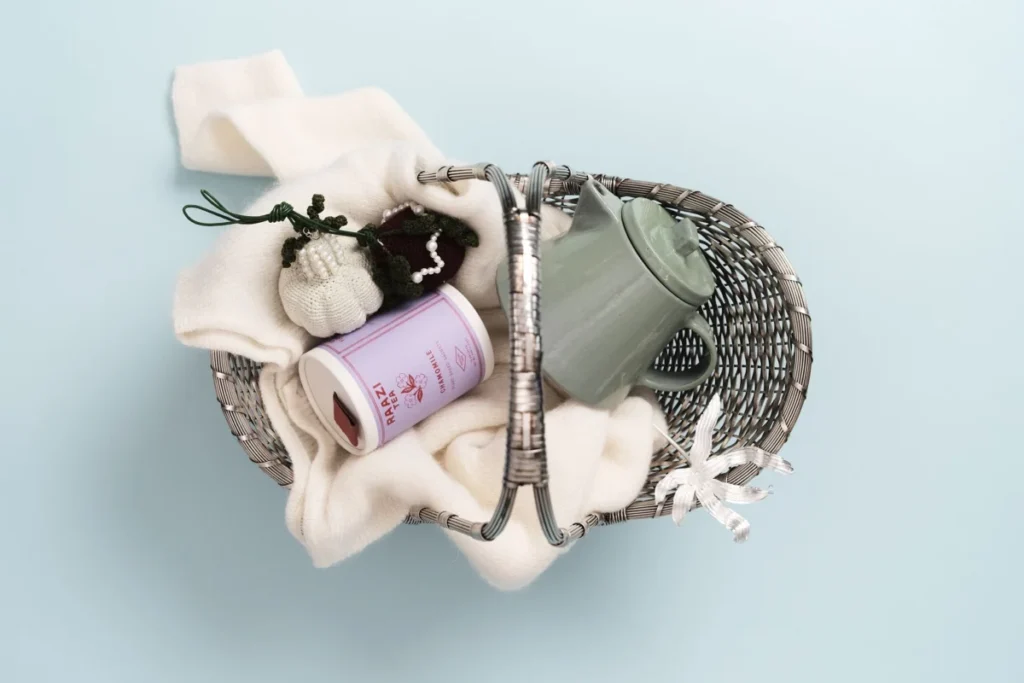

Mother’s Day, observed on the second Sunday of May, represents one of the most significant periods for consumer spending in the global retail calendar, particularly within the home decor, luxury goods, and floral industries. As the upcoming holiday on May 10 approaches, market analysts and retail experts note a distinct shift in consumer behavior, moving away from generic tokens of appreciation toward what industry insiders term "keepsake-level" gifting. This transition reflects a broader economic trend where shoppers prioritize longevity, craftsmanship, and aesthetic value over ephemeral purchases. The modern gift-giving landscape for Mother’s Day now encompasses a wide demographic, including mothers, mothers-in-law, grandmothers, and maternal figures, necessitating a diverse range of products that cater to varying lifestyles—from the avid gardener and the culinary enthusiast to the design-forward homeowner.
The Economic Impact of Mother’s Day Gifting
According to data from the National Retail Federation (NRF), Mother’s Day spending has seen a consistent upward trajectory over the last decade. In the United States alone, annual expenditures for the holiday often exceed $30 billion, with the average consumer spending approximately $250 on gifts. While jewelry and special outings remain top categories, the "Home and Garden" and "Personal Care" sectors have seen the highest percentage of growth in recent years. This is attributed to the "nesting" trend that accelerated post-2020, where the home became the primary sanctuary for wellness and social interaction.
Retailers have responded to this demand by curating collections that emphasize artisanal quality. The move toward "slow luxury"—items like hand-blown glass and hand-embroidered linens—indicates that consumers are looking for gifts that serve as functional art. This trend is evidenced by the high demand for products such as the Bollenglass Hand-Blown Glass Large Jug and Frette’s Modernism Outline Placemat and Napkin sets, which command premium prices due to their manufacturing heritage and design specificity.
A Chronology of the Gifting Season
The timeline for Mother’s Day retail activity typically begins in early April, with peak search interest for "meaningful gifts" spiking three weeks before the holiday. Logistically, the period between May 1 and May 8 is critical for the e-commerce sector, as it marks the final window for standard and expedited shipping to ensure arrival by the second Sunday of May.
For the floral industry, the stakes are even higher. Farmgirl Flowers, a prominent player in the direct-to-consumer floral market, indicates that the demand for seasonal blooms like peonies reaches its zenith during the first ten days of May. Because peonies have a limited growing season, they have become the "prestige" flower of the holiday. Industry standards suggest that orders placed by May 8 are essential for guaranteeing the freshness and delivery of high-stem count bouquets, such as the 30-stem hand-tied arrangements that have become a hallmark of luxury floral gifting.
Curating the Home: Decor and Fragrance Trends
In the realm of interior design, the current trend for Mother’s Day focuses on "elevated essentials." Designers suggest that gifts should enhance the daily rituals of the recipient. For example, the shift from standard candles to sophisticated home fragrance systems, such as the Diptyque Baies Reed Diffuser, allows for a continuous sensory experience. The Baies scent, characterized by its notes of blackcurrant berries and roses, remains a market leader due to its cross-generational appeal.
Furthermore, decorative accents are moving toward the "textured and organic." The Hand-Blown Glass Corrugated Vases by Catskill Glassworks and the AERIN Wave Gallery Frame illustrate a preference for objects that feature tactile irregularities and sculptural forms. These items are positioned not just as containers or frames, but as standalone design statements. Fact-based analysis suggests that consumers are increasingly drawn to "story-driven" brands—those that emphasize the artist’s hand or a specific regional craft, such as the vintage hotel-inspired stationery from Minted, designed by independent artist Morgan Kendall.
The Culinary Sanctuary: Kitchen and Tableware
The kitchen has evolved into a high-design space, leading to a surge in demand for professional-grade cookware that possesses aesthetic appeal. The Le Creuset Enameled Cast Iron Signature Round Bread Oven, particularly in soft hues like petal pink, exemplifies the "countertop-worthy" trend. Market data suggests that "heirloom cookware" is a top-performing category for Mother’s Day because it represents a one-time purchase that can be passed down through generations.
Tabletop aesthetics have also seen a resurgence in "whimsical maximalism." Brands like Bordallo Pinheiro, famous for their "cabbageware" and glazed platters, cater to a consumer base that values playfulness and tradition. Similarly, the collaboration between designer Louise Roe and her daughter Sophia Roe on a line of glassware highlights the sentimental narrative of mother-daughter partnerships, which resonates deeply during this specific holiday. This segment of the market is bolstered by the "entertaining at home" culture, where unique items like the Vaisselle Oily Baby Oil Dispenser or the Il Buco Vita Assisi Tea Pot serve as conversation pieces during social gatherings.
Wellness, Fashion, and the Self-Care Movement
The beauty and fashion sectors have pivoted toward "functional luxury" for Mother’s Day. The popularity of the Sezane Gaspard Cardigan, available in multiple colorways, reflects a consumer preference for versatile staples over fast-fashion trends. In beauty, the focus has shifted from transformative cosmetics to restorative skincare. Products like the Dieux Skin Forever Eye Mask and Baina Bath Salts tap into the "self-care" economy, which has become a multi-billion dollar pillar of the retail industry.
High-end personal care items, such as Byredo’s Tulipmania Hand Lotion, are marketed as "attainable luxuries." While a full fragrance may be a significant investment, a premium hand lotion allows consumers to gift a piece of a prestige brand at a more accessible price point. This "entry-level luxury" strategy is a key driver of volume for department stores and high-end boutiques during the Mother’s Day rush.
Gardening and the Outdoor Renaissance
The "Outdoor Living" category has seen sustained growth as gardening transitions from a hobby to a lifestyle. For the "avid gardener," gifts have become more technical and ergonomic. The MoMA Urban Garden Trolley and the Uncommon Goods Gardener’s Tool Seat represent a move toward "smart gardening"—tools that alleviate the physical strain of yard work while maintaining a sleek, modern aesthetic.
In addition to traditional tools, indoor gardening technology is becoming a popular gift for urban dwellers. The Soltech Aspect LED Growlight allows for year-round cultivation in low-light environments, bridging the gap between interior design and horticulture. This focus on "living gifts" extends to bird feeders and planters, where architectural forms, such as the Silo Bird Feeder by Pidät, are used to attract nature into the home environment.
Industry Responses and Logistical Challenges
Retailers and logistics providers view Mother’s Day as a "stress test" for the spring season. Shipping giants like FedEx and UPS often implement specific "peak" protocols to handle the surge in gift shipments. Major retailers have also adopted "buy online, pick up in-store" (BOPIS) models to accommodate the 25% of consumers who identify as "last-minute shoppers."
Statements from retail associations suggest that while inflation has impacted some discretionary spending, Mother’s Day remains "recession-proof" in the sense that consumers are more likely to cut back on personal expenses than on gifts for maternal figures. However, there is a noted sensitivity to value, leading to the success of "gift boxes" and bundled sets that provide a curated experience at a fixed cost.
Broader Implications of Gifting Culture
The evolution of Mother’s Day gifts from simple cards to high-design keepsakes reflects a broader cultural valuation of the home and the maternal role. From a sociological perspective, these gifts serve as "social glue," reinforcing familial bonds through the exchange of high-value, thoughtful items. The shift toward "design-forward" and "artisanal" products also suggests a growing consumer awareness of sustainability and the ethics of production.
As we look toward May 10, the market is defined by a blend of tradition and innovation. Whether it is a hand-embroidered Frette linen set or a tech-enabled Soltech growlight, the modern Mother’s Day gift is expected to be as multifaceted as the women being celebrated. For the consumer, the goal remains the same: to find a token that effectively communicates gratitude, cements their status within the family hierarchy, and provides a lasting legacy of a day dedicated to the "heart of the home."