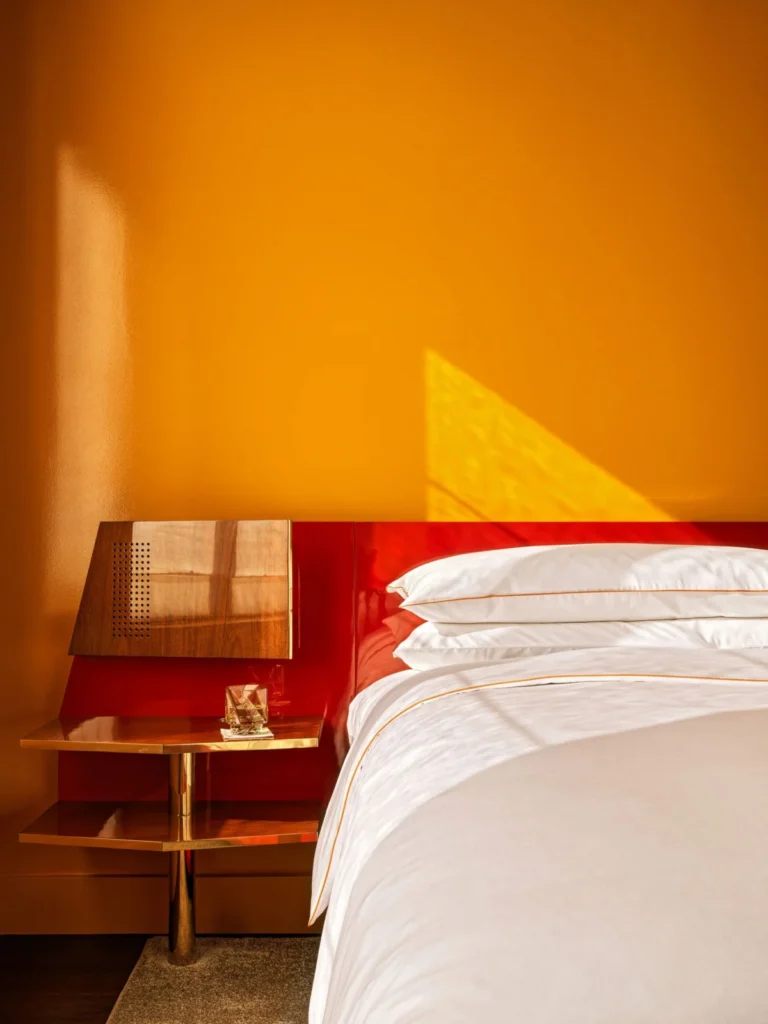

The pursuit of the perfect night’s sleep has transitioned from a basic biological necessity to a cornerstone of the global wellness industry, valued at over $4 trillion. At the heart of this movement is the evolution of bedding textiles, where the demand for "softness" has driven manufacturers to innovate with materials ranging from traditional long-staple cotton to exotic Himalayan cashmere and sustainable bamboo viscose. Following an exhaustive testing period that spanned several months and involved dozens of the industry’s most prominent brands, a definitive selection of high-performance linens has emerged as the benchmark for residential comfort.
The Evolution of Bedding Standards and Testing Protocols
The modern consumer’s approach to bedding has shifted significantly over the last decade. Previously, the "thread count" metric was the primary—and often misleading—indicator of quality. Today, textile experts and home editors prioritize fiber length, weave structure, and breathability. To identify the softest sheets currently available, the Architectural Digest (AD) editorial team implemented a rigorous testing protocol designed to simulate long-term residential use.
The methodology required each set of sheets to undergo a minimum of 30 days of nightly use. Beyond initial tactile impressions, the linens were subjected to multiple machine-wash and dryer cycles to evaluate durability, color-fastness, and the propensity for pilling. Editors living in diverse climates, from the humid Northeast to the variable temperatures of the Midwest, provided data on moisture-wicking capabilities and thermal regulation. This longitudinal study allowed the team to distinguish between temporary "out-of-the-box" softness—often achieved through chemical finishers—and the inherent softness of high-quality fibers.
The Top Contenders: Material Science and Performance
The results of the testing period highlighted a diverse array of materials, each catering to specific physiological needs and aesthetic preferences.
1. The Gold Standard: Egyptian Cotton
Egyptian cotton remains the apex of luxury bedding due to its long-staple fibers, which allow for a finer, stronger yarn. The Wamsutta Supreme Egyptian Cotton Sheet Set emerged as the top overall pick, specifically praised for its 600-thread-count sateen weave. Testing data indicated that this set was particularly beneficial for individuals with sensitive skin, as the smooth surface prevents the microscopic friction that can lead to skin irritation or hair breakage. Similarly, the Matouk Bergamo set utilized a blend of Giza 87 and 92 Egyptian cotton yarns to create a percale that mimics the hand-feel of silk while maintaining the crispness associated with high-end hotel linens.

2. The Sustainability Frontier: Bamboo and Eucalyptus
Bamboo-derived fabrics have seen a 15% year-over-year increase in market share, driven by their hypoallergenic properties and superior thermal regulation. The Cozy Earth Bamboo Sheet Set was identified as a leader in this category. The material science behind bamboo viscose involves hollow fibers that facilitate significant airflow, making them an ideal choice for "hot sleepers." Editors noted that the material felt "barely perceptible" against the skin, providing a cooling effect that outperformed traditional cotton in high-temperature environments.
3. Luxury Blends: Cashmere and Silk
The integration of luxury garment fibers into bedding represents a new frontier in home comfort. Brooklinen’s Heathered Cashmere set, which blends 95% cotton with 5% Himalayan cashmere, was analyzed as a lightweight alternative to traditional flannel. This hybrid approach provides the "fuzzy" warmth of wool without the excessive weight or heat retention that often leads to night sweats.
In the ultra-premium segment, Clementine’s Atelier Medica Silk sheets introduced a bio-tech element to bedding. These 100% GOTS-certified organic silk sheets are infused with hyaluronic acid and squalane. While the long-term dermatological benefits of infused fabrics remain a subject of ongoing clinical study, testers reported an immediate "rich-feeling" texture that provided a level of smoothness unattainable by plant-based fibers alone.
Technical Analysis: Percale versus Sateen Weaves
A critical finding of the research was the distinction between weave structures, which dictates the "feel" of the softness.
- Percale: Utilizing a one-over, one-under weave, percale is known for its matte finish and crisp, paper-like feel. Brands like Quince and Bed Threads demonstrated that modern percale can be soft without losing its structural integrity. The Quince Organic Crisp Percale was highlighted for its ability to remain wrinkle-free while providing a "cool-to-the-touch" sensation, rivaling five-star hotel standards.
- Sateen: This weave uses a four-over, one-under structure, exposing more thread surface to the skin. This results in a lustrous sheen and a heavier, silkier drape. The Boll & Branch Signature Hemmed set served as the primary example of high-performance sateen, with testers noting that the fabric became increasingly soft after each laundering cycle, a characteristic of organic long-staple cotton.
Supporting Data: The Impact of Thread Count and Fiber Origin
According to data from the Savannah College of Art and Design, the ideal thread count for softness and durability typically falls between 200 and 600. The common marketing tactic of promoting thread counts exceeding 1,000 often involves "multi-ply" yarns, which can actually result in a coarser, less breathable fabric.
The AD testing confirmed that fiber origin and "staple length" (the length of the individual cotton fibers) are more accurate predictors of softness than thread count alone. Long-staple and extra-long-staple (ELS) cottons, such as Supima (grown in the USA) and Egyptian Giza cotton, produce smoother yarns with fewer exposed ends, which significantly reduces the "scratchy" feeling often found in budget-tier linens.

Industry Implications and Consumer Trends
The rise of Direct-to-Consumer (DTC) brands like Quince and Brooklinen has disrupted the traditional luxury bedding market by offering premium materials at significantly lower price points. This democratization of high-quality textiles has forced legacy brands to emphasize heritage and specialized certifications to maintain their market position.
Certifications have become a vital part of the consumer decision-making process. The Global Organic Textile Standard (GOTS) and OEKO-TEX Standard 100 were cited as essential benchmarks for the editors. These certifications ensure that the "softness" of the sheets is not the result of toxic softeners or formaldehyde-based finishes, which are common in cheaper manufacturing processes.
Chronology of Sleep Week and Seasonal Transitions
The identification of these bedding sets coincides with the annual "Sleep Week," an industry-wide event that highlights advancements in sleep science. The testing timeline suggests that consumer preferences shift seasonally:
- Spring/Summer: A move toward high-breathability bamboo and low-thread-count percale (e.g., Buffy Supima Cotton).
- Fall/Winter: A transition to heavier sateen weaves and cashmere blends (e.g., Brooklinen Cashmere).
Conclusion: Bedding as an Investment in Health
The consensus among the editorial team and textile experts is that high-quality bedding is a functional investment in preventative health. Poor sleep quality is linked to a range of chronic conditions, including hypertension and cognitive decline. By optimizing the tactile environment of the bedroom, consumers can significantly reduce sleep latency and disturbances.
The 10 sets identified—ranging from the affordable luxury of Quince to the artisanal craftsmanship of Pom Pom at Home’s linen—represent the current pinnacle of textile engineering. As the industry continues to move toward organic, sustainable, and "intelligent" fabrics, the definition of softness will likely continue to expand, incorporating both traditional natural fibers and new, bio-synthetic innovations. For now, the combination of long-staple cotton, responsibly sourced bamboo, and strategic fiber blends remains the gold standard for those seeking the ultimate in-home comfort.