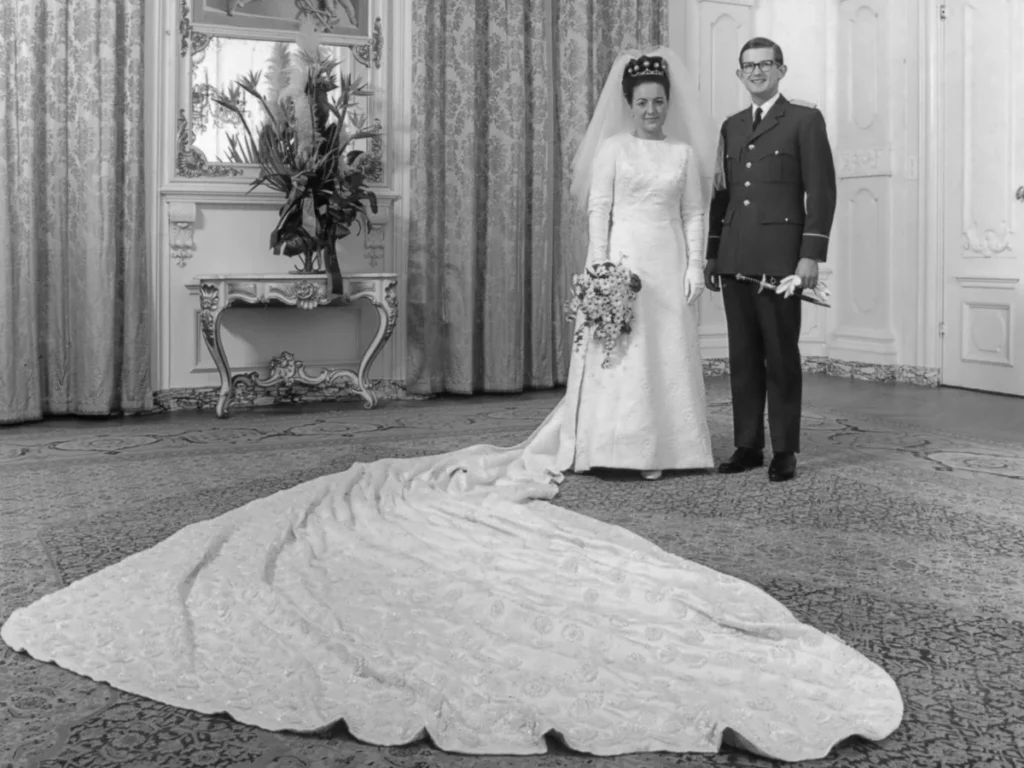

It was a cold January day in 1967 when Princess Margriet of the Netherlands exchanged vows with Pieter van Vollenhoven, a union that, while perhaps not the most widely publicized royal wedding of its era, has undeniably proven to be a cornerstone of strength and stability for the Dutch Royal Family. As the aunt of the current monarch, King Willem-Alexander, Princess Margriet and her husband have consistently demonstrated unwavering dedication to the dynasty, embodying a partnership that has weathered the decades and become a bedrock of support. This marriage, occurring amidst a period of significant royal milestones, offered a refreshing sense of calm and continuity, contrasting with some of the more tumultuous preceding royal unions.
A Royal Wedding Amidst Family Milestones
Princess Margriet, the third daughter of Queen Juliana of the Netherlands, was the latest in a succession of royal brides within her family. In the preceding years, her elder sisters had also embarked on married life, but unlike their highly scrutinized ceremonies, Princess Margriet’s wedding was marked by a notable absence of controversy. This serene atmosphere provided a welcome respite and allowed the celebration to focus purely on the joyous union of the couple.
The bride, born during the tumultuous years of World War II in Canada, had met her future husband while both were pursuing their higher education at Leiden University. Their engagement was publicly announced on March 10, 1965. The engagement ring itself, a symbol of their burgeoning commitment, featured a solitary pearl, a gem that would later inspire elements of her bridal attire and also serve as a subtle nod to her name, Margriet, which translates to "pearl." Just months after their engagement announcement, her elder sister, Princess Beatrix, then the heir to the throne, revealed her own wedding plans. Princess Margriet graciously deferred her nuptials, allowing the significant event surrounding Beatrix’s marriage, which had indeed generated considerable public interest and discussion, to conclude before proceeding with her own plans. This thoughtful consideration underscored a shared sense of familial duty and respect within the royal household.
The Nuptial Ceremony: A Blend of Civil and Religious Tradition
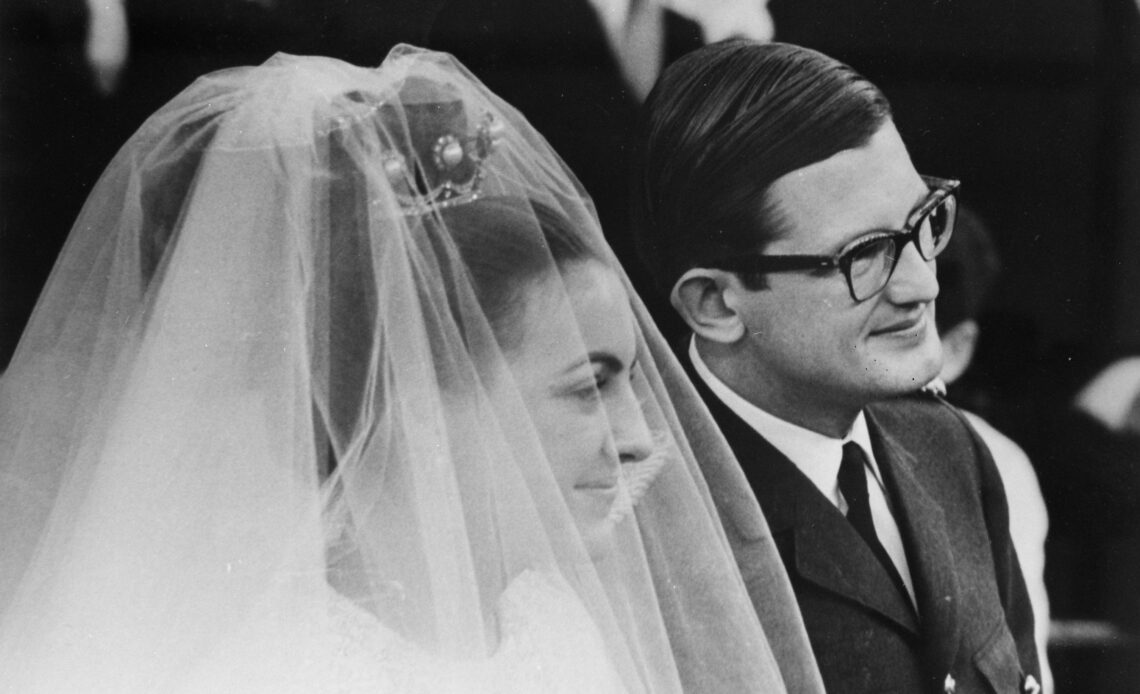
Princess Margriet and Pieter van Vollenhoven were married on January 10, 1967. As mandated by Dutch law at the time, the proceedings began with a civil ceremony at The Hague’s Town Hall. This official union was followed by a more personal and spiritual religious wedding ceremony, held at the historic Church of St. James. This dual ceremony format reflects the established protocol for royal marriages in the Netherlands, blending the legal requirements with the deeply rooted traditions of faith.
The choice of date, mid-January, placed the wedding firmly in the winter season, a stark contrast to the blooming spring or vibrant summer months often favored for such grand occasions. This chilly backdrop, however, did little to diminish the warmth and significance of the day, as evidenced by the photographs capturing the solemnity and joy of the event. The official photographs, many preserved in the Dutch National Archives, offer a window into the sartorial elegance and regal bearing of the couple on their wedding day.
Bridal Elegance: Daisies and Pearls Adorn the Bride
Princess Margriet’s wedding dress was a masterful creation, designed by Caroline Bergé-Farwick of Maison Linette. The gown drew inspiration directly from the meaning of her name, "pearl," and the daisy, which is also associated with her name. The fabric of the dress was meticulously covered in embroidered daisies, a delicate and charming motif that extended throughout the design. The silhouette of the dress was quintessentially 1960s, featuring a sophisticated scoop neckline, long sleeves, and a fitted bodice that gracefully transitioned into a slimline, floor-length skirt.
Complementing the floral theme, the bridal train was attached at the shoulders of the gown, creating an elegant drape, and was also adorned with further daisy embellishments. The bride carried a bouquet composed entirely of daisies, a cohesive and heartfelt tribute to her namesake.
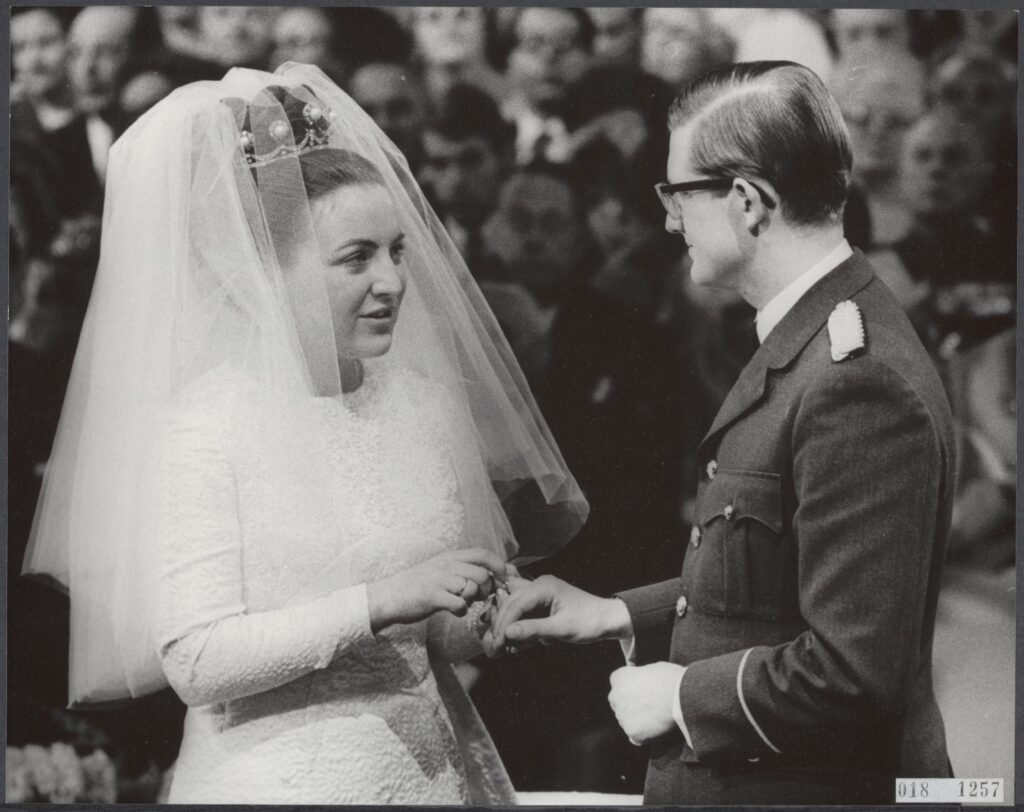
Beyond the floral elements, pearls played a significant role in the bridal ensemble, acting as a counterpoint to the daisies. Princess Margriet wore a striking tulle veil, a voluminous creation characteristic of the 1960s, which fell to just below her shoulders. This veil was secured by a family tiara, a magnificent piece crafted from diamonds. A distinctive feature of this tiara was its five prongs, each topped with a lustrous button pearl, adding a touch of understated opulence. The combination of the daisy motifs and the pearl-adorned tiara created a bridal look that was both personal and profoundly regal, embodying a unique blend of natural charm and inherited grandeur.
A Legacy of Support and Enduring Royal Partnership
Following their wedding, Princess Margriet and Pieter van Vollenhoven quickly established themselves as integral and steadfast members of the Dutch Royal Family. They provided consistent and invaluable support to Princess Beatrix throughout her reign as Queen of the Netherlands, a period that spanned over three decades. Their presence offered a stable and reassuring element within the complex dynamics of a reigning monarchy.
While Princess Margriet is now eighth in line to the throne, a position that reflects the significant growth of the royal family through subsequent generations, she continues to actively participate in royal duties and engagements. This enduring commitment to public service, even as her place in the succession has shifted, speaks volumes about her dedication and that of her husband to the welfare of the Dutch people and the continuation of the monarchy.
The Broader Context: Royal Marriages and Public Perception
The marriage of Princess Margriet and Pieter van Vollenhoven occurred at a time when royal weddings were significant national events, often scrutinized for their impact on public perception and the future of the monarchy. The relative lack of controversy surrounding their union was a positive development for the House of Orange-Nassau. In the preceding years, the marriage of Princess Beatrix to Claus von Amsberg had generated considerable debate due to his German background during a post-war era where such connections were still sensitive. Similarly, the marriage of Princess Irene to Carlos Hugo, Duke of Parma, had also been a subject of public and political discussion due to political affiliations.
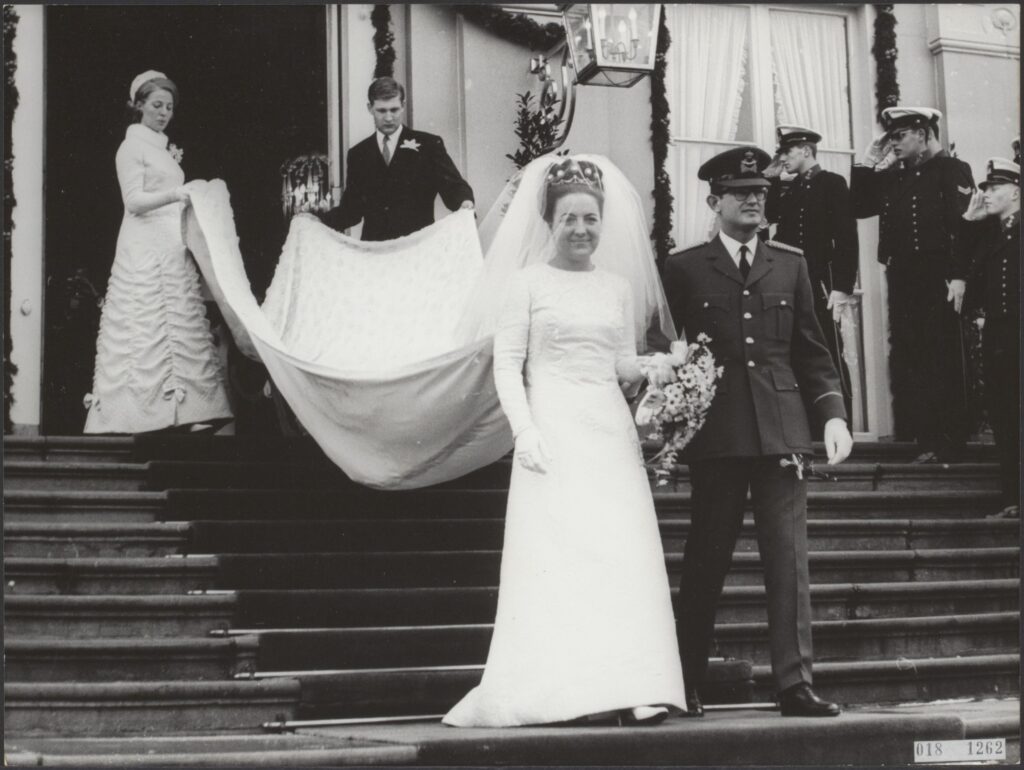
Princess Margriet’s wedding, therefore, offered a sense of normalcy and uncomplicated joy. It reinforced the image of a royal family that, while navigating public scrutiny, could also celebrate personal happiness without undue complication. This was crucial for maintaining public goodwill and support for the institution of monarchy. The success of Princess Margriet and Pieter van Vollenhoven’s marriage, characterized by their enduring partnership and shared commitment to royal duties, has undoubtedly contributed to this ongoing positive perception. Their union has served as a quiet but powerful testament to the enduring strength of family bonds within the royal sphere and their collective dedication to serving the Netherlands.
The story of their wedding and subsequent decades of partnership is not merely a recounting of a historical event but a narrative of a royal couple who have consistently prioritized duty, family, and a deep-seated commitment to the Dutch monarchy, forging a legacy of steadfast support that continues to resonate today. Their journey from university sweethearts to respected pillars of the royal family underscores the importance of personal commitment in the often demanding world of royal life.