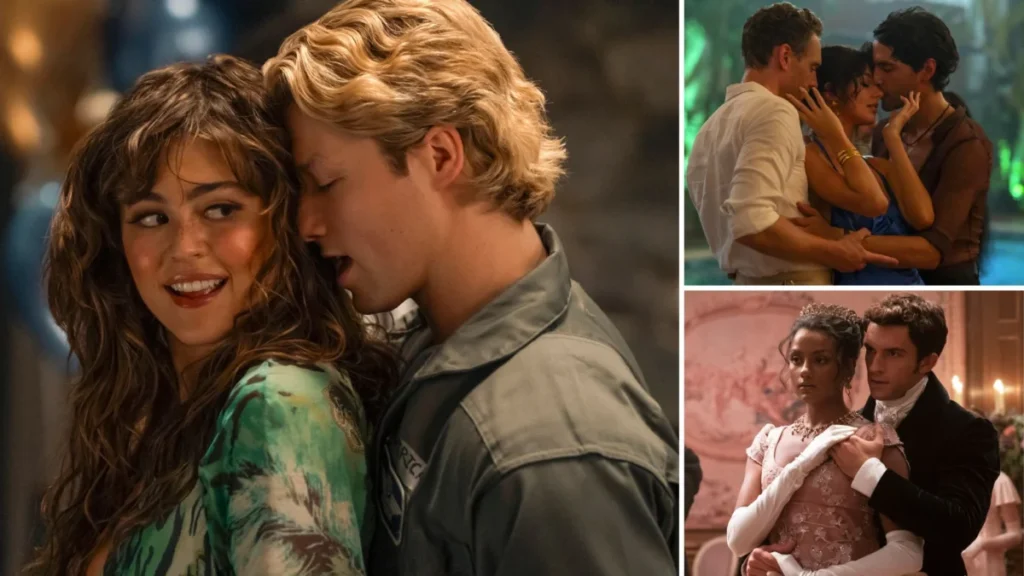

The magnetic pull of a shared dance, particularly on television, has long been a powerful tool in storytelling, capable of conveying complex emotions, burgeoning romance, and unspoken desires with a grace and intensity that dialogue alone often struggles to achieve. The recent "On the Floor" dance scene from Season 1 of Off Campus, featuring Stephen Kalyn as Dean Di Laurentis and Mika Abdalla as Allie Hayes, has reignited this discussion, prompting a deeper look into the most memorable and impactful dance sequences to have graced the small screen. This scene, characterized by its palpable chemistry and undeniable sensuality, serves as a potent reminder of how a well-choreographed dance can become a pivotal moment in a series, transcending mere entertainment to become a defining element of character development and narrative progression.
The Power of the Dance Floor in Narrative
The effectiveness of a dance scene lies in its inherent ability to externalize internal states. When characters who are navigating complex emotional landscapes, particularly those involving romantic tension, step onto a dance floor, their movements become a visual language for their feelings. The proximity, the synchronicity, the shared rhythm – all these elements can amplify unspoken attraction, burgeoning love, or even unresolved conflict. As the Off Campus scene between Dean and Allie demonstrates, this can be particularly potent even before the characters have explicitly acknowledged their feelings for one another. This pre-confession intimacy, communicated through shared movement, often resonates more deeply with audiences, creating a sense of anticipation and heightened emotional investment.
The significance of such scenes is underscored by their recurring presence across various genres and decades of television. From the iconic ballroom dances of classic dramas to the spontaneous, electrifying routines in contemporary series, dance has consistently been employed as a narrative device to:
- Illustrate Developing Relationships: The way two characters move together, or fail to, can reveal the state of their connection. A tentative touch, a confident lead, or a hesitant step can speak volumes about trust, comfort, and desire.
- Convey Character Arcs: A character’s willingness or ability to dance can reflect their personal growth, their liberation from inhibition, or their embrace of vulnerability.
- Establish Atmosphere and Tone: A lively, energetic dance can inject joy and exuberance into a scene, while a slow, intimate dance can create an atmosphere of romance or profound emotional connection.
- Advance Plot Points: Dance sequences can serve as catalysts for significant plot developments, leading to confessions, confrontations, or pivotal decisions.
The Off Campus scene, for instance, exemplifies this narrative power. The chemistry between Kalyn and Abdalla, channeled through their synchronized movements to the song "On the Floor," created a moment of intense connection that captivated viewers. This scene was not merely a visual spectacle; it was a crucial turning point in the characters’ relationship, signaling a deepening of their bond that extended beyond platonic friendship.
A Legacy of Iconic Dance Moments
The Off Campus scene joins a distinguished lineage of television dance sequences that have left an indelible mark on popular culture. These moments, often meticulously crafted and executed, have become benchmarks for romantic tension and character expression.
Early Pioneers and Enduring Classics:
- I Love Lucy (1951-1957): While not always romantic, Lucille Ball’s physical comedy often involved elaborate and memorable dance sequences, showcasing her unparalleled comedic timing and the show’s innovative use of physical humor. The "Vitameatavegamin" episode, for example, features a memorable, albeit inebriated, dance that highlights Lucy’s uninhibited spirit.
- The Twilight Zone (1959-1964): In "The Invitors," a chilling episode, a couple is drawn into a perpetual dance that becomes a metaphor for eternal entrapment. This darker use of dance as a narrative device highlights its versatility.
- Bewitched (1964-1972): Samantha Stephens, a witch with a penchant for magic, often used dance and incantations to achieve her goals, sometimes with comical, other times with enchanting results. Her movements often reflected her dual nature as a magical being and a devoted wife.
The Golden Age of Romantic Dance:
- Dirty Dancing (1987, TV Series Adaptation): While the film is iconic, the television series also explored the burgeoning romance between Baby and Johnny through their dance lessons. These scenes, filled with sensuality and the thrill of learning to move together, cemented the dance floor as a prime location for romantic development.
- Friends (1994-2004): The iconic "The One with the Routine" episode, featuring Monica and Ross’s embarrassing but ultimately endearing dance, showcased how even awkwardness can forge a unique bond. More subtly, Ross and Rachel’s early interactions often involved a playful, flirtatious dynamic that hinted at their eventual romance, with dance being a recurring motif of their connection.
- Buffy the Vampire Slayer (1997-2003): The musical episode "Once More, with Feeling" is a masterclass in using song and dance to reveal character secrets and advance the plot. Buffy and Angel’s duet, "Angel," in particular, is a heartbreakingly beautiful expression of their forbidden love and the pain of their separation. The series also featured numerous scenes where the Scooby Gang would dance to blow off steam or celebrate victories, their synchronized movements a testament to their camaraderie.
- The O.C. (2003-2007): The show was renowned for its use of music and dance to capture the essence of teenage angst and burgeoning romance. Seth and Summer’s relationship, often fraught with misunderstandings, found moments of clarity and connection on the dance floor, most notably at the various school dances and parties.
Contemporary Standouts:
- Glee (2009-2015): This musical comedy-drama inherently centered on performance, with numerous elaborate dance numbers that served to express the characters’ emotions, resolve conflicts, and celebrate their individuality. From the competitive glee club routines to the heartfelt solos, dance was integral to the show’s narrative fabric.
- Bridgerton (2020-Present): The lavish Regency-era drama frequently features elegant ballroom scenes where the unspoken language of glances, subtle touches, and graceful movements between potential suitors communicates volumes. The dances in Bridgerton are not just spectacles of fashion and etiquette; they are crucial arenas for social maneuvering and the subtle unfolding of romantic possibilities, with characters like Daphne and Simon’s dances often conveying a potent, simmering tension.
- The Bear (2022-Present): While not a show focused on romance, the controlled chaos of the kitchen often erupts into moments of shared rhythm and physical exertion that, in their own way, resemble a highly stylized dance. The frenetic energy and synchronized efforts of the chefs, particularly during intense service, create a visceral depiction of teamwork and shared purpose, a different but equally powerful form of embodied connection.
The Anatomy of a Memorable Dance Scene
What elevates a dance scene from a mere interlude to a cultural touchstone? Several key elements converge:
- Palpable Chemistry: The spark between the performers is paramount. Whether it’s overt attraction, deep-seated affection, or simmering animosity, the audience must believe in the connection between the characters. The Off Campus scene between Dean and Allie excels in this regard, with their physical intimacy and shared gaze creating an undeniable electricity.
- Appropriate Song Choice: The music sets the mood and tempo. It can be a classic love song, an upbeat anthem, or a piece that carries significant emotional weight for the characters. The selection of "On the Floor" for the Off Campus scene likely contributed to its sensual and energetic feel.
- Meaningful Choreography: The dance itself must serve the story. It can be technically impressive, emotionally raw, or even intentionally awkward. The choreography should reflect the characters’ personalities and the narrative’s progression.
- Contextual Significance: The dance scene must feel earned. It should arise organically from the plot and character development, not feel shoehorned in. Moments of vulnerability, celebration, or unspoken longing are fertile ground for these sequences.
- Cinematic Execution: Direction, cinematography, and editing play crucial roles. The way the scene is shot – close-ups on hands, lingering shots on faces, dynamic camera movements – can amplify the emotional impact.
Data and Analysis: The Impact of Visual Storytelling
While quantifying the precise impact of a single dance scene is challenging, the broader trend of visual storytelling’s effectiveness in television is well-documented. Studies in media psychology suggest that visual and auditory stimuli, particularly when combined with strong emotional content, can lead to higher viewer engagement and retention. Dance sequences, by their very nature, engage multiple sensory pathways.
- Emotional Resonance: Dance is a non-verbal language that taps directly into primal emotions. A study published in the Journal of Nonverbal Behavior found that observing synchronized movement can increase feelings of social connection and empathy in viewers. This suggests that well-executed dance scenes can foster a deeper emotional bond between the audience and the characters.
- Memorability: Visually striking and emotionally charged moments are more likely to be remembered. The unique physicality of a dance sequence, combined with the narrative context, creates a strong mnemonic anchor. Data from audience recall surveys often highlights such memorable scenes as key drivers of viewer satisfaction and word-of-mouth promotion.
- Social Media Amplification: In the digital age, iconic TV moments are rapidly disseminated and discussed across social media platforms. The Off Campus dance scene, for example, likely generated significant buzz on platforms like Twitter and TikTok, with clips being shared and reinterpreted by fans, further cementing its place in popular consciousness. The virality of such moments can significantly impact a show’s viewership and cultural relevance.
Broader Implications for Television Production
The enduring appeal of compelling dance scenes underscores their value as a narrative tool for television producers and writers. As the industry continues to seek innovative ways to captivate audiences, the strategic integration of dance offers a potent avenue.
- Character Development: Dance can reveal hidden depths and complexities in characters, offering a more nuanced portrayal than dialogue alone.
- Audience Engagement: Visually dynamic and emotionally resonant scenes like these can foster a deeper connection with viewers, leading to increased loyalty and viewership.
- Marketing and Promotion: Memorable dance sequences can become powerful marketing assets, generating buzz and attracting new viewers through clips and social media sharing.
In conclusion, the Off Campus dance scene between Dean and Allie is a testament to the enduring power of the dance floor as a crucible for human connection and narrative revelation. As television continues to evolve, the art of conveying emotion and advancing story through movement remains a vital and captivating element of the medium, promising many more unforgettable dance moments to come.