
The magnificent creation that graced the union of Prince William and Catherine Middleton, now the Prince and Princess of Wales, on April 29, 2011, at Westminster Abbey, continues to be a subject of fascination and a testament to meticulous artistry. Far from being a fleeting spectacle, slices of this celebrated wedding cake periodically resurface at auctions, a poignant reminder of a globally televised event that captured the hearts of millions. This enduring appeal is not surprising, given the cake’s sheer grandeur and symbolic depth, standing as a monument to a royal celebration that resonated worldwide.
A Masterpiece of Design and Symbolism
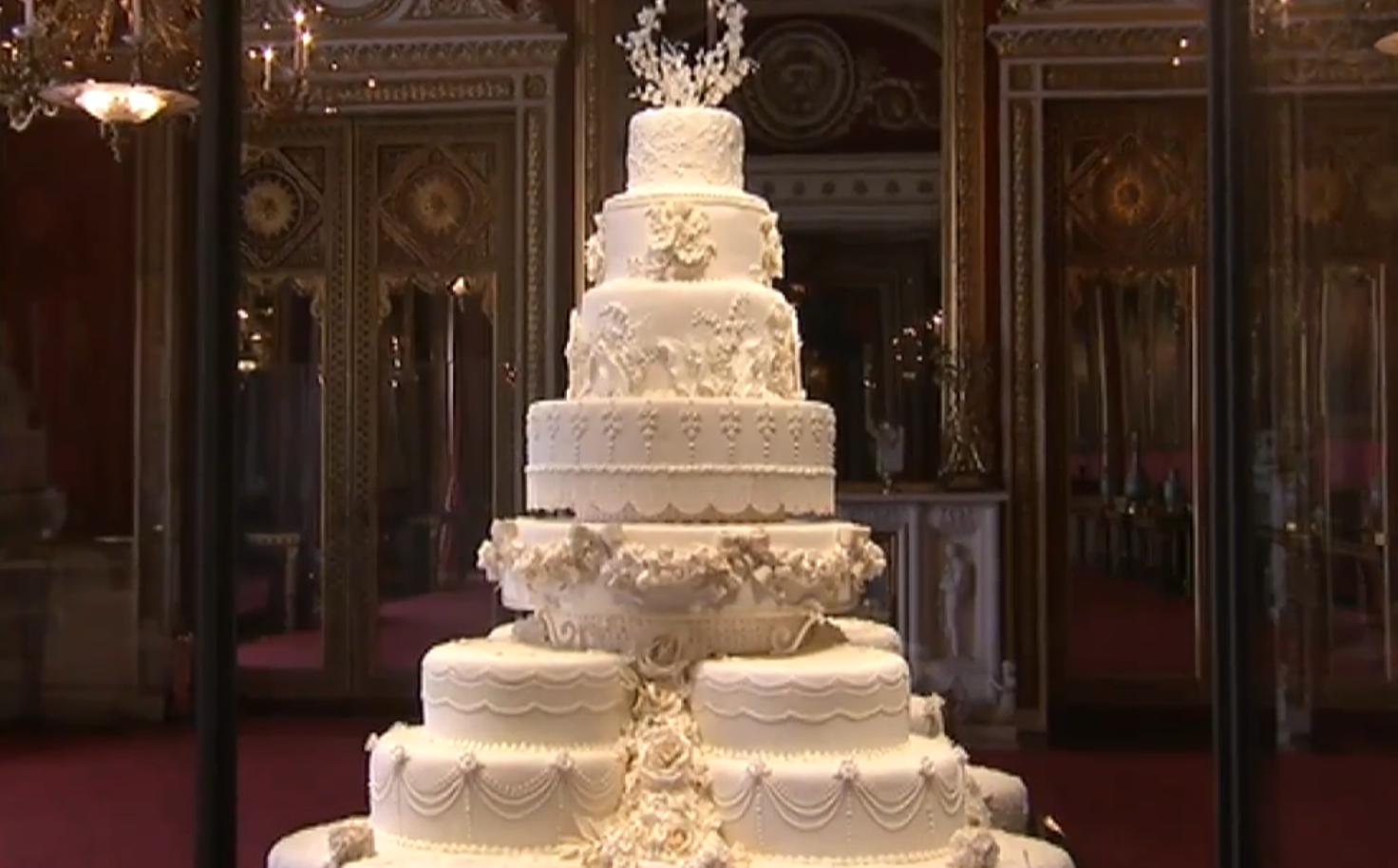
The wedding cake, an architectural marvel in its own right, was an eight-tiered edifice that commanded attention. Standing an impressive three and a half feet tall and weighing over 220 pounds, it was a substantial centerpiece that mirrored the significance of the occasion. Its visual impact was undeniable, but its true brilliance lay in the intricate details that told a story of love, tradition, and personal meaning.
Crafted by Fiona Cairns, a renowned master baker from Leicestershire whose expertise in fruit cakes had already earned her a distinguished reputation among royalty and celebrities, the cake was a bespoke creation. Prince William and Catherine had envisioned a cake that was "romantic and informal," a brief that Cairns masterfully translated into a modern interpretation of a traditional royal wedding centerpiece. The resulting confection was not just a dessert; it was a piece of edible art.
Echoes of the Bride’s Style and Personal Touches
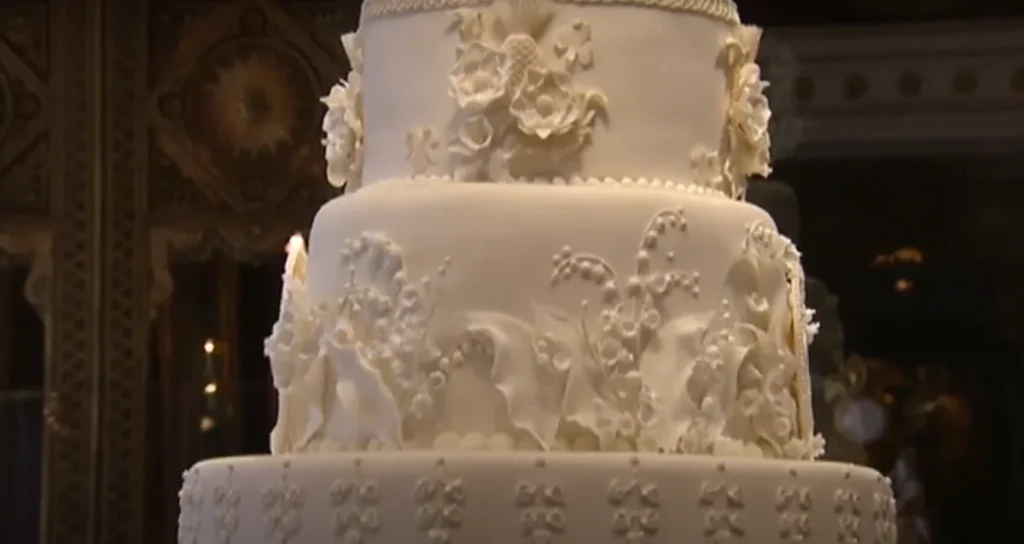
The most striking element of the cake’s design was its intricate icing, a faithful recreation of the delicate lace adorning Catherine’s iconic Alexander McQueen wedding dress, designed by Sarah Burton. This painstaking detail not only paid homage to the bride’s sartorial elegance but also served as a subtle yet powerful connection between her personal style and the grand occasion.
Surrounding the lace-inspired icing were meticulously crafted sugar paste flowers. These blooms were not randomly chosen; they echoed the floral arrangements of Catherine’s bridal bouquet, which famously featured Lily of the Valley, alongside other significant flowers. The choice of flora was deliberate, incorporating symbolic blossoms that held both public and private meaning for the couple.
A Symphony of Flavors and National Symbols
The cake itself was a substantial undertaking, comprising seventeen individual fruit cakes. The base of the creation featured twelve larger bakes, meticulously arranged into three tiers, each composed of four individual cakes. These formed the sturdy foundation for the five progressively smaller upper layers. The cakes were baked in Leicestershire using a closely guarded secret recipe. This proprietary blend included a rich combination of cherries, grated orange and lemon zest, French brandy, and generous amounts of dried fruit, ensuring a deep, complex flavour profile that is characteristic of traditional royal wedding cakes.
The assembly process was equally impressive. Once baked, the cakes were transported to Buckingham Palace, where a dedicated team of six skilled individuals spent three days meticulously piecing together the final masterpiece. Their task involved not only the structural assembly but also the delicate application of icing in elegant lattice, shell, and scroll designs. Over 900 sugar flowers, representing seventeen different varieties, were painstakingly placed across the eight tiers.
A Floral Tapestry of Meaning
The selection of these sugar flowers was a deeply personal choice made by the Duchess of Cambridge. Many of the blooms directly referenced her bridal bouquet. The ubiquitous Lily of the Valley, a symbol of sweetness and return of happiness, graced the upper sections of the cake, mirroring its prominence in her posy. Bridal roses and orange blossom, both synonymous with love and fertility, were also rendered in exquisite sugar form.
Beyond personal sentiment, the cake also served as a patriotic emblem, incorporating the floral symbols of the United Kingdom. The rose of England, the thistle of Scotland, the Welsh daffodil, and the Irish shamrock were all artfully represented, underscoring the national significance of the wedding. In a charming nod to her groom, the bride also requested icing versions of Sweet William, a flower that shares a name with Prince William.

To further integrate the cake into its royal setting, the fourth tier featured an exquisite iced rendition of the garlands adorning the walls of the Picture Gallery at Buckingham Palace, where guests first laid eyes on this culinary marvel. This detail demonstrated an exceptional attention to context and a desire to create a piece that was not only a dessert but an integral part of the palace’s décor and the day’s narrative.
The Cake’s Journey Beyond the Wedding Day
The story of William and Kate’s wedding cake did not conclude with the last slice served at the reception. Its remarkable journey continued long after the celebrations subsided. In a tradition that has become increasingly common with royal weddings, slices of this historic confection have periodically appeared at auction, fetching significant sums and offering a tangible piece of royal history to collectors and enthusiasts.
A notable instance occurred in 2014, when Julien’s Auctions in Beverly Hills sold a slice of the cake for approximately £6,000. Such sales underscore the enduring public fascination with royal events and the desire to own a fragment of these momentous occasions. It is widely presumed that these auctioned pieces originate from the lower tiers of the cake, which were traditionally distributed or preserved.
Indeed, the upper tiers of the cake embarked on their own unique journey. In the late summer of 2011, they were transported to Kensington Palace. One of these preserved tiers reappeared in October 2013, playing a ceremonial role at the christening celebrations for Prince George. This act continued the cake’s narrative, linking the joyous occasion of the royal wedding to the subsequent milestone of the birth of the heir to the throne. This particular tier, preserved and presented, became a symbol of continuity and legacy within the royal family.
The Baker’s Vision and the Royal Brief
Fiona Cairns, reflecting on the commission, emphasized the collaborative nature of the design process. She recalled the couple’s desire for a cake that felt both deeply personal and universally celebratory. Her approach was to blend classic techniques with contemporary aesthetics, ensuring the cake would be a fitting tribute to their modern romance while respecting the long-standing traditions of royal weddings.

The choice of a fruit cake for the primary tiers was a deliberate nod to tradition. Royal wedding cakes have historically been fruitcakes, known for their longevity and rich flavour, often designed to be preserved and served at future significant family events, such as christenings. This practice has roots stretching back to Queen Victoria’s wedding in 1840, where a tiered fruitcake was a central feature.
A Culinary Icon in Royal History
The wedding cake of Prince William and Catherine Middleton has undeniably secured its place in the annals of royal wedding history. It transcended its role as a mere dessert to become a symbol of a new era for the British monarchy, one characterized by a blend of tradition and approachability. The cake’s intricate design, personal touches, and enduring presence in public memory all contribute to its iconic status.
The meticulous craftsmanship, the symbolic floral arrangements, and the personal requests from the bride and groom all contributed to a confection that was as meaningful as it was visually stunning. It represented not just the culmination of a royal romance but also a carefully curated expression of national identity and familial bonds.
The continued reappearance of slices of the cake at auction serves as a testament to its lasting impact. Each sale offers a piece of tangible history, allowing individuals to connect with a moment that captivated the world. This phenomenon highlights the enduring power of royal weddings to inspire awe and create lasting cultural touchstones.
Broader Impact and Implications
The attention to detail and the personal narrative woven into the design of William and Kate’s wedding cake had a broader impact on wedding trends. It underscored the growing importance of personalization in celebrations, encouraging couples to imbue their own special occasions with meaningful elements that reflect their unique story. The success of Fiona Cairns’ design also brought renewed appreciation for artisanal baking and the artistry involved in creating bespoke wedding cakes.

Furthermore, the cake’s symbolic representation of the United Kingdom’s constituent countries served as a subtle yet powerful message of unity and shared identity during a significant national event. In a time of considerable public interest and national pride, such visual cues can resonate deeply and reinforce a sense of collective belonging.
The preservation and subsequent use of a tier of the cake for Prince George’s christening also reinforced the concept of legacy within the monarchy. It demonstrated a thoughtful approach to tradition, ensuring that elements from one significant event could carry forward and contribute to the narrative of future generations. This practice speaks to the enduring relevance of royal ceremonies and their ability to bridge past, present, and future.
In conclusion, the wedding cake of the Prince and Princess of Wales was far more than a grand dessert. It was a meticulously designed, symbolically rich masterpiece that captured the essence of a historic royal union. Its enduring legacy, evidenced by its continued presence in auctions and its role in subsequent royal milestones, solidifies its status as an iconic element of one of the most celebrated royal weddings of the 21st century. It stands as a delicious testament to love, tradition, and the enduring power of a well-crafted story, both on the plate and in the hearts of those who witnessed its grandeur.