
The impending transition of leadership within the Labour Party, following Sir Keir Starmer’s resignation, presents a unique constitutional juncture, placing King Charles III at the forefront of appointing his fourth Prime Minister. While the internal deliberations of the Labour Party will determine their next leader, the ultimate authority to invite an individual to form a government rests with His Majesty, underscoring the enduring role of the monarchy in the United Kingdom’s political landscape. As speculation intensifies around potential successors, with Andy Burnham frequently cited as a frontrunner, the intricate timetable for this transfer of power, and its potential intersection with the King’s summer itinerary, is drawing significant attention.
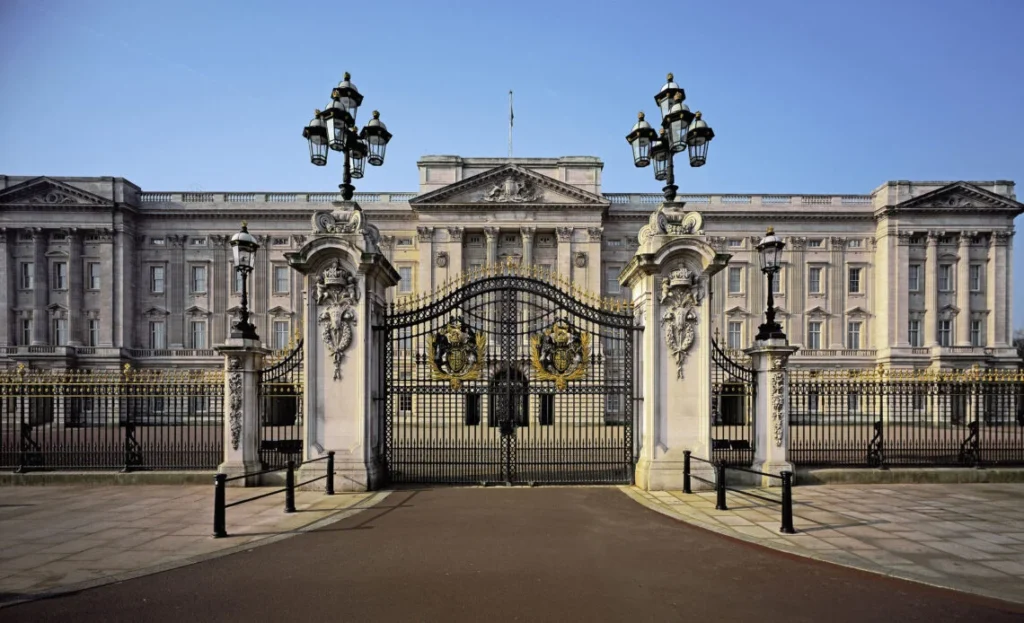
The constitutional process, while seemingly straightforward, is steeped in tradition and precedent. Following the Labour Party’s selection of a new leader, the outgoing Prime Minister, Sir Keir Starmer, is expected to formally tender his resignation to King Charles. This pivotal moment, historically a face-to-face audience, typically occurs at Buckingham Palace, the monarch’s official London residence. The incumbent monarch then extends an invitation to the leader of the party with the confidence of the House of Commons to form a new government. This invitation, often referred to as "kissing hands," is a symbolic act that formalizes the transfer of executive power.
The timing of this anticipated leadership change is particularly noteworthy, coinciding with the traditional summer recess for Parliament. Sir Keir Starmer, in his resignation announcement on June 22, 2026, expressed a hope that a successor would be in place before Parliament reconvenes on September 1, 2026. This ten-week window provides a crucial period for the Labour Party to conduct its leadership contest and for the subsequent constitutional formalities to be observed. The King’s diary, while subject to the demands of state, is also influenced by personal and familial traditions, raising questions about where these significant meetings will take place.
Royal Residences and the Shifting Sands of Power
Traditionally, the late summer months see the Royal Family retreat to Balmoral, their cherished private estate in the Scottish Highlands. This period is often marked by informal engagements and a respite from the formal duties of the monarchy. Furthermore, it has become a customary practice for the reigning monarch to invite the Prime Minister and their spouse to spend a weekend at Balmoral during this time, fostering a more personal connection between the head of state and head of government.
The prospect of the Labour leadership contest concluding during the King’s customary stay at Balmoral raises the possibility of the constitutional transfer of power occurring in Scotland. This scenario is not without historical precedent. In 2022, Queen Elizabeth II, then residing at Balmoral due to her declining health, oversaw the transition of power from Boris Johnson to Liz Truss. While the late Queen was reportedly keen to travel to London for the meetings, medical advice necessitated her remaining in Scotland. Tragically, the former monarch passed away just two days after formally appointing her new Prime Minister, a stark reminder of the profound implications of these constitutional moments.
The logistical challenges associated with the Scottish Highlands, including the considerable travel time from London and the potential for weather-related disruptions, as experienced in 2022, might influence the King’s preference for the location of these crucial meetings. While the monarch retains the prerogative to conduct state business from any of his residences, the efficiency and accessibility of London are often paramount during such sensitive political transitions.
An alternative to Balmoral, and perhaps a more practical option given the proximity to the capital, is Sandringham, the King’s private estate in Norfolk. Located a few hours’ drive from London, Sandringham offers a more accessible location for the monarch to receive the outgoing and incoming Prime Ministers. Depending on the precise timeline set by the Labour Party for its leadership selection, it is plausible that King Charles could be at Sandringham when the new leader is chosen. A journey from London to Norfolk for these constitutional duties appears a more feasible arrangement than multiple journeys to and from Balmoral.
Historical Precedents and Unforeseen Circumstances
While the Royal Family’s summer routines are a significant factor, it is highly improbable that King Charles would be abroad when the decision on the new Prime Minister is made. The King’s schedule is meticulously managed, and any significant political event, such as a change in Prime Minister, would take precedence. Royal diaries are often adjusted to accommodate such constitutional necessities, ensuring the monarch’s presence for the formal appointment of a new head of government.
However, history offers intriguing examples of monarchs conducting the "kissing hands" ceremony while on foreign soil. In 1908, King Edward VII was on holiday on the French Riviera when Herbert Asquith became Prime Minister following a leadership change within the Liberal Party. Asquith travelled to Biarritz, where the ceremony took place at the Hotel du Palais, a grand establishment with its own regal history, having been built for Empress Eugenie by Napoleon III. This marked a singular instance in British history where a hotel served as the venue for the formal appointment of a Prime Minister by the reigning monarch.
While the current favourite to succeed Sir Keir Starmer, Andy Burnham, is unlikely to be heading overseas to take up power in a hotel lobby, the potential for the traditional constitutional process to be observed from a less conventional royal location highlights the adaptability of the monarchy. The specific timing of the Labour leadership race, coupled with the King’s personal and familial engagements, could indeed lead to a novel rendition of this age-old tradition, demonstrating that while the core principles of constitutional monarchy remain steadfast, their practical application can evolve.
The Mechanics of Power Transfer: A Constitutional Overview
The process of changing a Prime Minister in the United Kingdom is a carefully orchestrated constitutional procedure, designed to ensure a smooth and legitimate transfer of power. It involves distinct stages, each with its own significance:
- Resignation of the Outgoing Prime Minister: The incumbent Prime Minister, upon deciding to step down or upon losing the confidence of Parliament, informs the monarch of their intention to resign. This is typically done in a private audience, where the outgoing PM formally tenders their resignation.
- Royal Summons to the New Leader: Following the resignation, the monarch, acting on the advice of their ministers, invites the leader of the party most likely to command a majority in the House of Commons to form a new government. This invitation is traditionally extended in person.
- The "Kissing Hands" Ceremony: The newly invited Prime Minister, along with their spouse (if applicable), travels to the monarch’s residence for a formal audience. During this ceremony, the new Prime Minister formally kisses the monarch’s hands, signifying their acceptance of the office and their pledge of loyalty.
- Formation of the New Government: After the "kissing hands" ceremony, the new Prime Minister proceeds to appoint their cabinet and other ministers, forming the new government. This typically involves extensive consultations and can take several days.
- Public Announcement and Parliamentary Proceedings: The appointment of the new Prime Minister and their cabinet is usually announced publicly. The new government then faces Parliament, where it will be subject to scrutiny and must demonstrate its ability to govern.
In recent years, with the increasing importance of media coverage and public perception, the ceremonial aspects of these transitions have been amplified. The sight of a new leader’s car arriving at Buckingham Palace as the outgoing leader’s vehicle departs has become an iconic image, symbolizing the continuous nature of governance. The 2024 General Election saw Sir Keir Starmer secure a substantial majority, leading to his invitation to form a government at Buckingham Palace. His arrival was closely followed by the departure of Rishi Sunak, the outgoing Prime Minister, who had informed the King of his election defeat.
Broader Implications of the Labour Leadership Contest
The outcome of the Labour leadership contest will have significant implications not only for the party but also for the broader political landscape of the United Kingdom. The chosen leader will be tasked with uniting a party that has undergone a significant leadership change and presenting a credible alternative government to the current administration. The public perception of the new leader, their policy proposals, and their ability to connect with a diverse electorate will be crucial in the lead-up to the next general election.
Furthermore, the individual chosen to lead Labour will inherit the mantle of potential Prime Minister, a role that carries immense responsibility and demands considerable political acumen. The relationship between the monarch and the Prime Minister is a cornerstone of the UK’s unwritten constitution, a partnership that, while formal, is built on mutual respect and a shared commitment to public service.
The specific circumstances surrounding this particular leadership transition, including the potential for a royal summer residence outside of London to become the venue for this constitutional event, add an intriguing layer to an already significant political development. It underscores the enduring relevance of the monarchy as a symbol of continuity and stability, even as the nation navigates periods of political change and adaptation. The coming weeks will undoubtedly be closely watched, not just for the internal machinations of the Labour Party, but also for how the ancient traditions of the British constitution will be observed in the modern era, with His Majesty King Charles III at its centre.