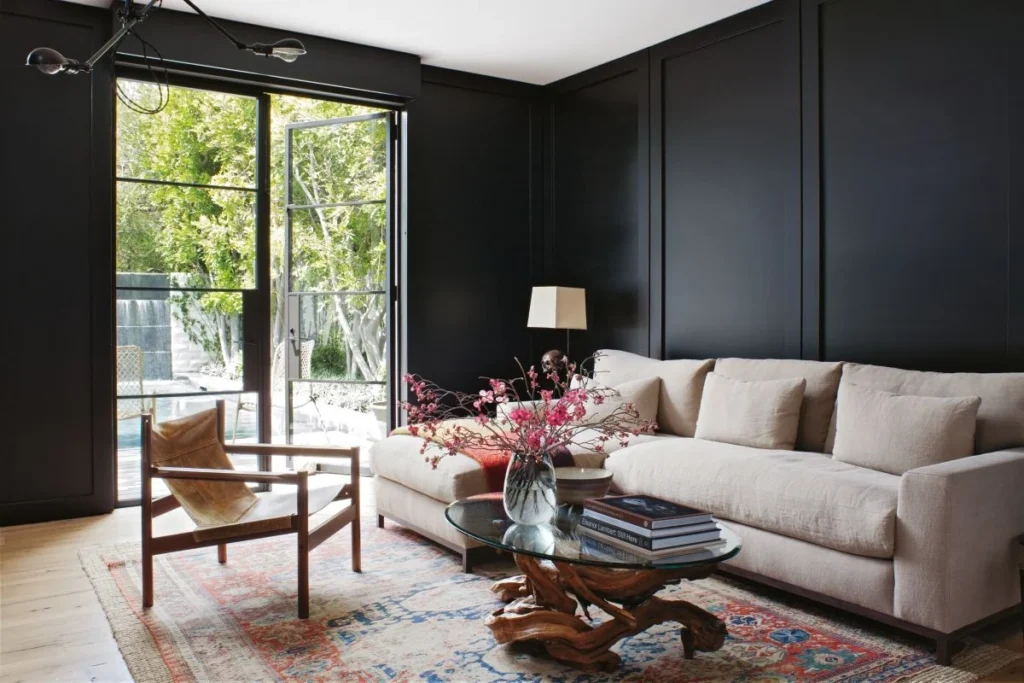

The contemporary furniture market is currently undergoing a significant shift as consumers increasingly push back against the "fast furniture" cycle of the previous decade. For many years, the transition from temporary, low-cost living room solutions—such as hand-me-downs or second-hand purchases—to high-quality, permanent fixtures was marked by a daunting price chasm, with quality sofas often exceeding the $4,000 mark. However, a new tier of mid-market retailers and direct-to-consumer (DTC) brands has emerged to fill this void, offering structurally sound and aesthetically sophisticated sofas for under $2,000. This price point represents a critical threshold for the modern consumer, balancing the need for long-term durability with the constraints of realistic household budgeting.
The Economic Context of the Modern Living Room
The furniture industry has faced unprecedented volatility over the last five years. Following a surge in demand during the 2020-2021 period, supply chain disruptions and rising raw material costs led to a general inflation of home goods prices. Despite these pressures, the competitive landscape of the furniture sector has intensified. Legacy retailers like West Elm and IKEA have had to adapt their design languages to compete with digital-native brands like Article, Albany Park, and Quince.

The primary driver of affordability in this new market is the reduction of overhead costs. By bypassing traditional showroom models and high-cost retail real estate, DTC companies can allocate a higher percentage of the product’s price toward materials such as kiln-dried hardwoods and high-density foam. For consumers, this means that a $1,500 investment today often yields a product that would have cost twice as much in a traditional retail environment twenty years ago.
Structural Integrity: What Defines Quality in an Affordable Sofa
When evaluating sofas in the sub-$2,000 category, industry experts emphasize that the value lies beneath the upholstery. The longevity of a sofa is determined by its frame construction, suspension system, and cushion density.
A common pitfall in lower-priced furniture is the use of particle board or softwoods such as spruce and fir, which are prone to warping and cracking under stress. In contrast, the current leaders in the affordable luxury space utilize engineered hardwoods or solid hardwoods like ash, oak, and walnut. Engineered wood, often misunderstood by consumers, is a highly durable product created by layering wood veneers, providing a stable and warp-resistant foundation that is often superior to solid softwood.
.jpeg)
Furthermore, the shift toward performance fabrics has revolutionized the "white couch lifestyle." Previously, light-colored furniture was considered an impractical risk for households with children or pets. The introduction of stain-resistant, moisture-repellent, and non-toxic textiles—as seen in the offerings from brands like Sundays and Albany Park—has democratized high-end interior aesthetics for the average family.
Leading Market Options and Design Profiles
The following selections represent the pinnacle of the current market, categorized by their specific utility and design philosophy.
The Standard-Bearer: Article Sanders Velvet Sofa
The Article Sanders Velvet Sofa, priced at approximately $1,099, has become a benchmark for the "modern-Scandi" aesthetic. Featuring oval velvet seat cushions and low-profile legs, the piece is designed for both visual lightness and physical comfort. The use of low-absorption polyester fabric provides a functional window for spill cleanup, a necessary feature for velvet-textured items. Reviewers note that the Sanders maintains its structural integrity without sagging, even after prolonged use, which is a testament to the supportiveness of its internal cushioning.

Solutions for Urban Constraints: West Elm Bogart Loveseat
As urban living spaces continue to shrink in square footage, the demand for "small-space" furniture has reached an all-time high. The West Elm Bogart Loveseat addresses this need with a five-foot width that does not sacrifice personality. Its curved bolster back provides a distinctive silhouette that differentiates it from the boxy forms typical of budget-friendly loveseats. With 62 color variations and a lead time that can be as short as one week, it serves as a primary example of how legacy retailers are leveraging vast supply chains to offer customization at scale.
The Entry-Level Luxury Look: Albany Park Kova Sofa
For consumers seeking the "sink-in" comfort associated with high-end modular designs, the Albany Park Kova Sofa offers a hypoallergenic foam solution starting around $1,425. This model is specifically engineered for comfort, featuring deep cushions that cater to a more relaxed, lounging-focused lifestyle. The availability of pet-friendly and kid-friendly fabric options further enhances its value proposition for active households.
Versatility in the Guest Suite: Article Nordby Sofa Bed
The sleeper sofa has historically been a product of compromise, often failing to provide either a comfortable seat or a restful night’s sleep. The Article Nordby Sofa Bed, priced at $1,599, challenges this narrative with a convertible frame that folds out into a full-size bed. Its competitive seat depth of 29.5 inches—significantly deeper than the industry average of 24 inches—makes it a superior choice for those who prioritize lounging surface area.
.png)
The Logistics of the Purchase: Delivery and Assembly
A critical factor often overlooked in the initial price tag of an affordable couch is the cost of logistics. Shipping a 150-pound piece of furniture is a complex operation that can add hundreds of dollars to the final cost.
There are two primary models in the current market:
- Flat-Pack Delivery: Popularized by IKEA and adopted by brands like Wrought Studio, this model reduces shipping costs by delivering the sofa in multiple boxes for home assembly. This is often the most cost-effective method but requires a time investment from the consumer.
- White-Glove Delivery: Many mid-tier brands now offer "white-glove" services, where professional movers deliver, assemble, and place the furniture in the desired room while removing all packaging materials. For sofas at the $1,500 to $1,990 price point, this service is highly recommended to ensure the frame is not damaged during the final stages of the journey.
Market Trends: The Rise of the Modular and Neutral Aesthetic
Current consumer data suggests a strong preference for modularity and neutral color palettes. The IKEA Stockholm 2025 collection, for instance, has moved away from the utilitarian aesthetic of the past toward a rich, chocolate-brown modular design. This reflects a broader trend where consumers view their sofa as a foundational, "hang-out" piece rather than a formal decorative item.
.jpeg)
Similarly, the Article Tully Sofa and the Sundays Any Day Sofa emphasize low-profile, flush-to-the-floor designs. These pieces take cues from Japanese and Scandinavian minimalism, aimed at reducing "visual bulk" in a room. By keeping the profile low, these sofas make ceilings appear higher and rooms feel more expansive, a psychological design trick that is increasingly popular in modern interior design.
Consumer Advisory: Avoiding the "Cheap" Trap
While the $800 to $2,000 range offers excellent value, consumers are cautioned against dipping too far below this threshold for a primary seating option. Sofas priced under $500 often rely on adhesives like glue and staples rather than proper joinery. They also frequently use low-density foam that compresses permanently within months of use.
Industry experts suggest that if a budget is strictly limited, consumers should prioritize "engineered wood" over "solid softwood" and look for "performance velvet" or "heavyweight twill," which tend to hide wear better than thin synthetic blends.
.jpeg)
Long-Term Implications for the Furniture Industry
The success of these affordable, high-design sofas indicates a permanent change in consumer expectations. The "middle-market" is no longer a graveyard of uninspired designs; it is now the most innovative sector of the industry. As brands like Quince expand from apparel into home goods, the pressure on traditional furniture showrooms will continue to mount.
Consumers now expect a trifecta of value: high-end design, durable materials, and a seamless digital purchasing experience. The brands that can deliver a kiln-dried hardwood frame and performance fabric for under $2,000 are not just selling furniture; they are redefining the standards of the modern home. This shift ensures that style and quality are no longer exclusive to the wealthy, but are accessible to any consumer willing to do the research into material makeup and structural integrity.