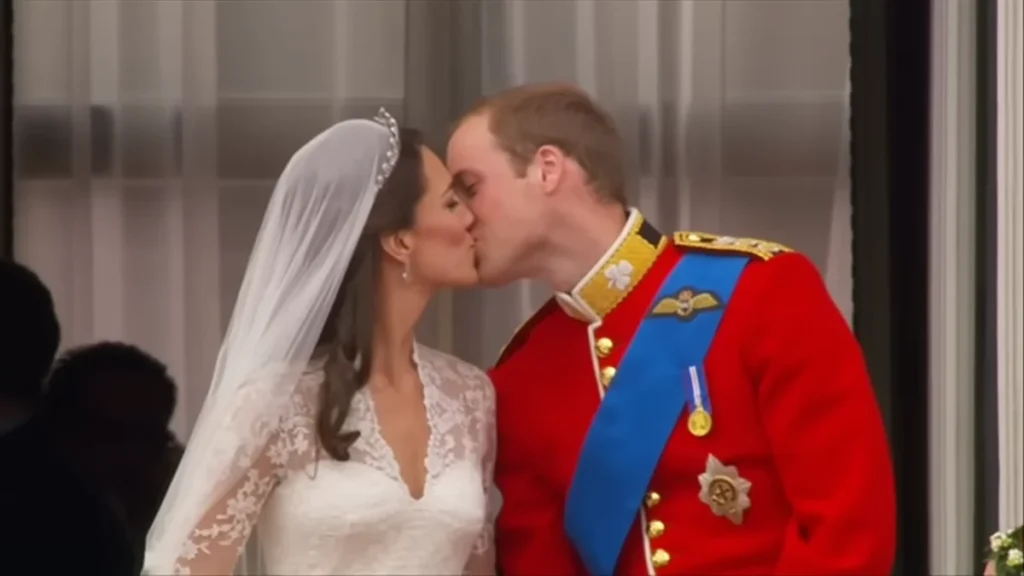

The world watched with bated breath as Catherine Middleton, now Her Royal Highness the Princess of Wales, emerged from a Rolls Royce Phantom VI on April 29, 2011, her wedding day. Stepping onto the hallowed grounds of Westminster Abbey, she unveiled a bridal gown that would immediately etch itself into fashion history. Designed by Sarah Burton, the then-new creative director of Alexander McQueen, the dress was a breathtaking embodiment of classic elegance fused with contemporary artistry, a sentiment echoed by Buckingham Palace’s official statement: "Miss Middleton chose Alexander McQueen for the beauty of its craftsmanship and its respect for traditional workmanship and the technical construction of clothing." The Palace further elaborated on the Duchess’s vision, stating, "Miss Middleton wished for her dress to combine tradition and modernity with the artistic vision that characterises Alexander McQueen’s work." This carefully crafted sentiment underscored the profound personal significance and meticulous planning behind the iconic garment.
The Genesis of a Royal Masterpiece
The decision to appoint Sarah Burton and the Alexander McQueen house for the design of Catherine’s wedding dress was a significant one. McQueen, known for its avant-garde and often theatrical designs, was an unexpected choice for a royal bride, yet it allowed for the infusion of artistic vision into a fundamentally traditional garment. Sarah Burton, who had worked closely with the late Alexander McQueen, was recognized for her ability to blend exquisite tailoring with a deep understanding of historical dressmaking techniques. This proved to be the perfect synergy for the Duchess’s desire for a dress that was both timeless and distinctly modern.
The collaboration involved intimate discussions between Catherine and Burton, ensuring every detail reflected the bride’s personal style and the solemnity of the occasion. The Royal School of Needlework, a revered institution with a long-standing connection to royal commissions, played an indispensable role in the execution of the intricate lacework. This partnership not only ensured unparalleled craftsmanship but also championed British heritage and artisanal skill.
A Symphony of Craftsmanship and Symbolism
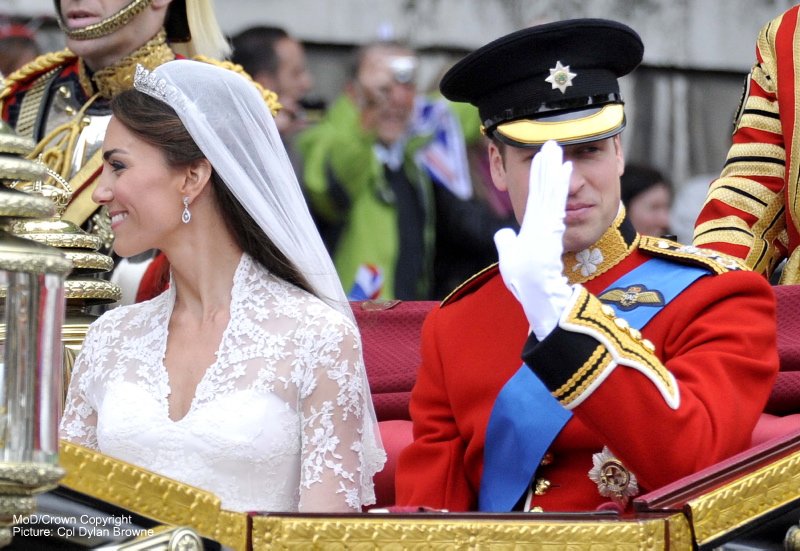
The Alexander McQueen gown was a testament to the painstaking dedication of numerous skilled artisans. The lace, a crucial element of the design, was hand-engineered using the centuries-old Carrickmacross lace-making technique. Buckingham Palace provided a detailed account of this intricate process: "Individual flowers have been hand-cut from lace and hand-engineered onto ivory silk tulle to create a unique and organic design, which incorporates the rose, thistle, daffodil and shamrock." This symbolic inclusion of national flora – the rose for England, the thistle for Scotland, the daffodil for Wales, and the shamrock for Ireland – woven into the fabric of the dress was a subtle yet powerful nod to the United Kingdom.
The creation of this delicate lacework demanded extraordinary precision and care. The lace workers were instructed to wash their hands every 30 minutes to prevent any damage to the delicate fabrics. In a testament to the secrecy and anticipation surrounding the gown, the artisans were not initially informed of the monumental significance of their work – that they were contributing to the wedding dress of a future Queen.
Victorian Inspiration and Modern Construction
The dress itself drew inspiration from Victorian-era design principles, particularly in its construction, which emphasized a narrow waist and subtly padded hips. This silhouette was achieved through the sophisticated application of corsetry, a technique that provided both structure and a flattering form. The bodice was adorned with many of the painstakingly crafted lace pieces, seamlessly integrating with the fabric to create a unified, organic flow.
The skirt, designed to open gracefully like a blossoming flower, added a dynamic and ethereal quality to the gown. The back of the bodice was a marvel of detail, featuring 58 hand-covered buttons fashioned from gazar and organza, fastened by delicate Rouleau loops. This meticulous attention to detail extended to the train, which measured a modest nine feet in length. While elegant, it stood in gentle contrast to the famously voluminous 25-foot train worn by the late Diana, Princess of Wales, for her wedding in 1981, perhaps reflecting a more contemporary approach to royal bridal attire.
The Fabric of British Excellence
A significant aspect of the dress’s design was the commitment to sourcing materials from British companies. The ivory and white satin gazar, the primary fabric of the gown, was a product of British mills. This conscious decision underscored a dedication to supporting domestic industries and showcasing the quality of British textiles. The exception to this was the French Chantilly lace, which was meticulously sourced by Sarah Burton herself, adding a touch of international haute couture to the otherwise quintessentially British creation.
The Complete Bridal Ensemble
Beyond the iconic dress, Catherine’s bridal ensemble was a curated masterpiece, with each element chosen to complement the gown and enhance its overall impact.
The Veil: A Whisper of Silk
The veil, also crafted by the Royal School of Needlework, was made from soft, ivory silk tulle. Its delicate nature was enhanced by a hand-embroidered floral trim, echoing the motifs found on the dress itself. This continuity in design created a harmonious and unified bridal look.
The Tiara: A Royal Heirloom
Anchoring the veil was the Cartier Halo Scroll Tiara, a piece steeped in royal history. Originally a gift from the future King George VI to his wife, the then-Duchess of York (later Queen Elizabeth The Queen Mother), on her 18th birthday, the tiara had been passed down through generations. Its choice by Catherine was not only an act of sartorial elegance but also a symbolic embrace of royal heritage and continuity. The delicate, diamond-encrusted scroll design perfectly complemented the intricate lacework of the dress without overpowering it.
The Shoes: A Touch of McQueen
Completing the bridal attire were the shoes, also designed by Alexander McQueen. Crafted from ivory duchesse satin, they were further embellished by hand embroidery from the Royal School of Needlework, ensuring a seamless integration of artistic detail from head to toe.
A Legacy of Style and Symbolism
The impact of Catherine’s wedding dress was immediate and profound. It was hailed as an instant icon, a design that would influence bridal fashion for years to come. Commentators were quick to draw parallels with previous royal wedding dresses, noting similarities in silhouette and aesthetic to those worn by Princess Margaret and Princess Grace of Monaco. These comparisons underscored the enduring appeal of classic bridal design and the way in which contemporary interpretations can honor historical precedents.
The dress wasn’t just a beautiful garment; it was a statement of intent, a carefully considered choice that spoke volumes about Catherine’s personal style and her understanding of her role within the monarchy. It projected an image of grace, sophistication, and a deep respect for tradition, while simultaneously embracing a modern sensibility.
Public Display and Lasting Impression
Following the wedding, the Duchess of Cambridge’s wedding dress became a focal point of public fascination. It was put on display at Buckingham Palace from July 23 to October 3, 2011, as part of a summer exhibition. This allowed hundreds of thousands of visitors the opportunity to admire the intricate details and exquisite craftsmanship of the gown up close, further cementing its place in the public consciousness and royal history.
The dress continues to be a significant artifact of modern royal history, a symbol of a momentous occasion that captivated the world. Its design, the story behind its creation, and the meticulous skill involved in its execution all contribute to its enduring legacy. It represents a perfect marriage of high fashion, royal tradition, and artisanal dedication, a testament to the enduring power of a well-crafted and deeply meaningful garment. The dress worn by Catherine Middleton on her wedding day is more than just a wedding dress; it is a piece of history, a work of art, and a lasting symbol of a royal union that captured the imagination of a global audience.