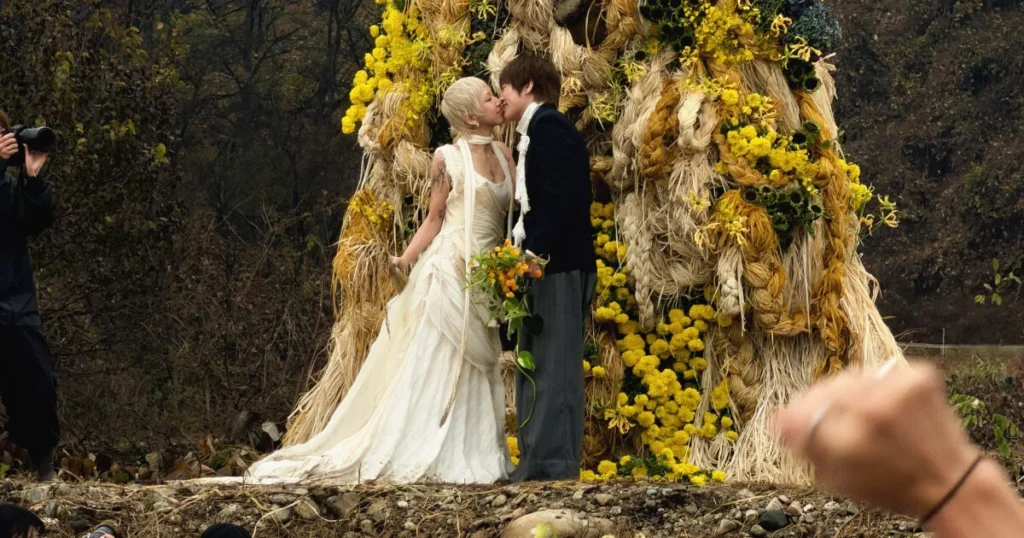

Kim Na Ra, widely recognized for her breakout victory on the fashion survival program Kill It: Style Creator War, has officially celebrated her marriage to her same-sex partner of eight years. On November 2, Kim took to her personal Instagram account to share a series of breathtaking photographs capturing their wedding ceremony. The announcement has since generated significant public attention, illuminating evolving discussions surrounding LGBTQ+ representation, personal autonomy, and societal norms within South Korea.
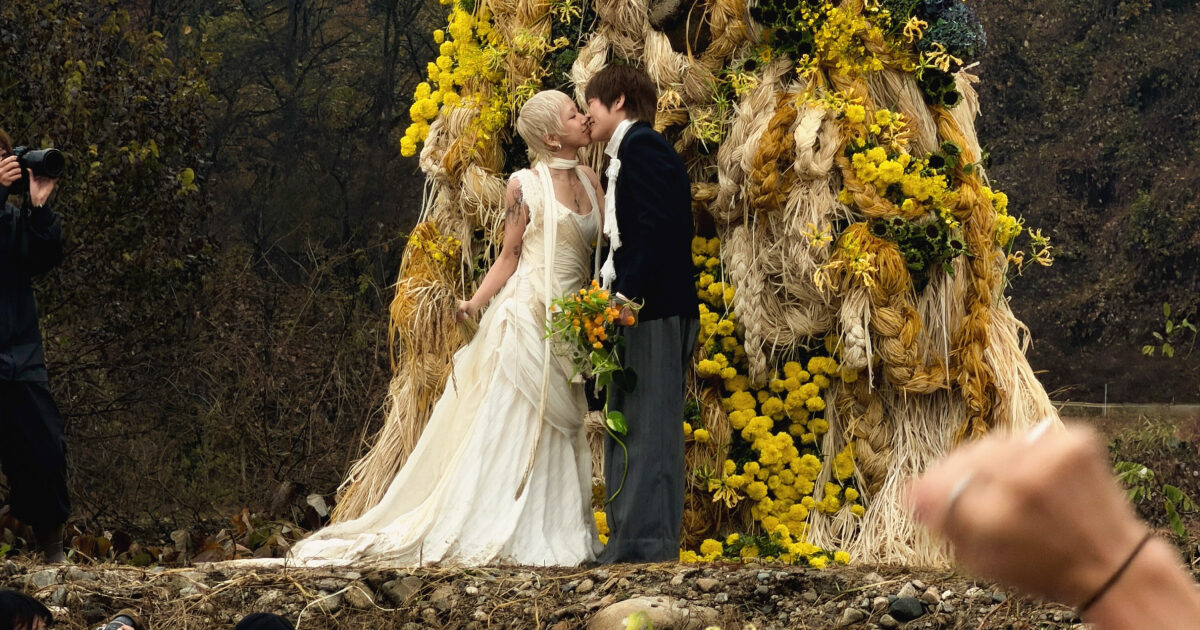
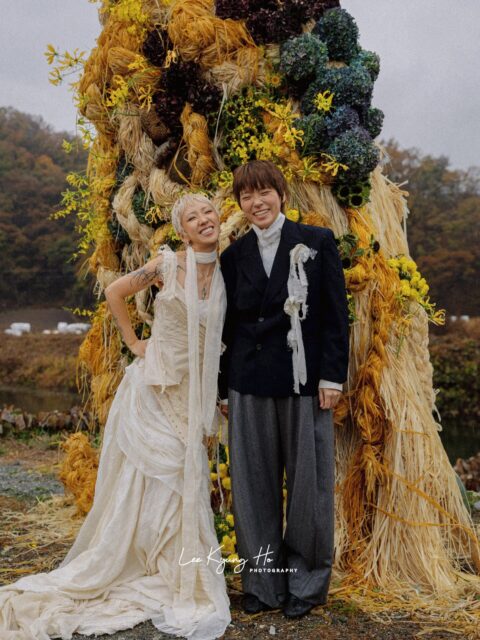
The newly released images depict an intimate and picturesque celebration. Eschewing traditional urban wedding halls, the couple chose a serene and unconventional backdrop for their nuptials: a lush, open rice field. The rustic scenery provided a striking visual contrast to the polished fashion aesthetics Kim displayed during her television appearances. The photographs showcase the couple dressed in elegant wedding attire, sharing joyful moments surrounded by nature, reflecting a deeply personal approach to marking their lifelong commitment.
Chronology of a Relationship and Professional Rise
The milestone celebration is the culmination of an eight-year relationship that has weathered both personal milestones and growing public exposure. Kim Na Ra first stepped into the broader public consciousness earlier this year during her appearance on Kill It: Style Creator War, which premiered and aired its episodes through July. The survival format pitted innovative stylists and creators against one another, testing their technical skill, adaptability, and distinct creative visions under intense pressure.

Throughout the competition, Kim distinguished herself through meticulous attention to detail and a bold, individualistic design philosophy, ultimately securing the first-place crown. Her triumph on the program not only established her credentials as a formidable talent in the contemporary fashion landscape but also provided a platform to openly acknowledge her support system. During her acceptance speech and subsequent interviews associated with the program, Kim made headlines by publicly expressing gratitude to her partner. In a widely cited remark, she stated, “My girlfriend, who is always my coolest partner and manager, thank you so much.” This public acknowledgment laid the groundwork for the widespread warmth and curiosity that followed her recent wedding announcement.
Legal and Social Landscape of Same-Sex Unions in South Korea
While Kim’s wedding photos have been met with an outpouring of congratulatory messages and admiration from fans and followers online, the union exists within a complex legal framework. Under current South Korean law, same-sex marriages are not legally recognized. The country’s legal and political institutions do not grant formal marital status, tax benefits, spousal inheritance rights, or legal protections to same-sex couples, distinguishing South Korea from a growing number of nations globally that have legalized marriage equality.
Despite the absence of formal legal recognition, public discourse regarding LGBTQ+ rights in South Korea has seen gradual, albeit contested, shifts over the past decade. Activism, grassroots advocacy, and increasing visibility in popular culture have contributed to a more nuanced public conversation. High-profile figures, artists, and influencers who choose to live authentically and transparently play a pivotal role in this cultural evolution. By sharing her wedding publicly, Kim has aligned herself with a community of public figures striving to normalize diverse family structures and relational commitments in a traditionally conservative society.
Broader Implications and Cultural Impact
Observers and cultural analysts note that public figures sharing milestones such as same-sex weddings carry significant symbolic weight. For Kim Na Ra, the decision to publish her wedding photographs was not merely a personal sharing of joy, but an intentional act aimed at visibility and encouragement. According to statements accompanying her social media post, Kim expressed a profound hope that her enduring love story would serve as a source of courage for other queer couples in South Korea, inspiring them to maintain faith in their own futures and personal relationships.

The broader implications of Kim’s announcement extend into the realms of entertainment, media representation, and civil rights advocacy. As survival shows and reality programming continue to dominate television and streaming platforms in South Korea, the personal lives of contestants and winners are increasingly integrated into public discourse. When individuals like Kim achieve commercial and creative success while refusing to conceal their identities, it challenges lingering industry taboos and broadens the spectrum of acceptable narratives in mainstream media.
Furthermore, the public reaction—characterized largely by support, aesthetic appreciation, and congratulatory well-wishes—suggests a generational shift in attitudes among younger demographics who consume digital media. While institutional reform remains slow, cultural shifts frequently precede legal changes, driven by increased visibility and humanized storytelling. Kim Na Ra’s wedding stands as a testament to personal perseverance, creative achievement, and the quiet, steady progression of social visibility in contemporary South Korea.