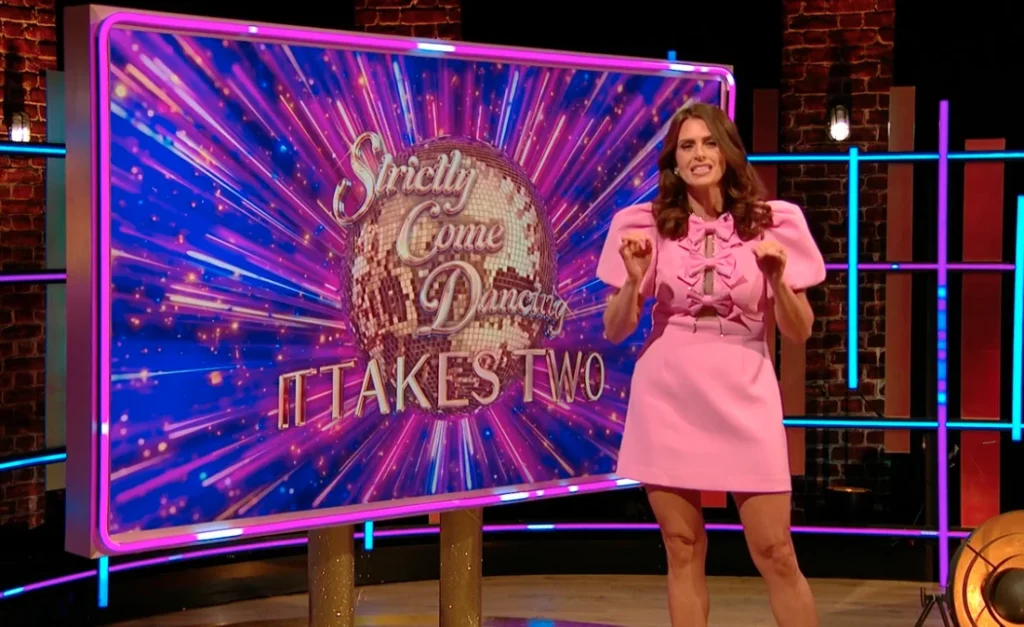

The long-standing BBC companion series Strictly Come Dancing: It Takes Two returned to television screens on Monday, September 28, with a dramatic transformation that has sparked an immediate and polarized response from its dedicated audience. While the flagship Saturday night show is often the focus of intense scrutiny regarding production choices, the latest season of its weeknight spin-off has introduced significant structural changes that deviate sharply from the show’s established DNA. The most notable adjustment—the separation of celebrity contestants from their professional dance partners during studio interviews—has triggered a wave of debate across social media platforms, leaving production executives to navigate a sudden backlash regarding the perceived loss of the show’s core chemistry.
A New Era of Hosting and Presentation
The premiere episode marked the official transition in the show’s leadership, with comedian and presenter Ellie Taylor stepping into the hosting role. Taylor replaces the previous hosting duo of Janette Manrara and Fleur East. Despite the controversy surrounding the show’s new editorial direction, Taylor’s individual performance has largely been met with warmth from the viewing public. In a statement released prior to the premiere, Taylor expressed her enthusiasm for the position, describing the opportunity to join the Strictly family as a "total joy."
"I feel incredibly honoured to follow in the footsteps of the phenomenal line-up of hosts who’ve made Strictly: It Takes Two so loved over the years," Taylor noted. "I can’t wait to immerse myself in all the gossip and sequins flying out of the ballroom in order to bring my fellow Strictly fans everything they need to know. I’m so excited, I could cha cha! (But I won’t – don’t worry… no one needs to see that again)."
However, the warm reception to the new host has been overshadowed by the structural overhaul of the program’s interview segments. Historically, It Takes Two functioned as an intimate extension of the main competition, providing a platform where couples could dissect their weekly rehearsals, process judges’ critiques, and share the emotional journey of their partnership. By removing the professional dancers from the set during the celebrity interviews, the BBC has effectively dismantled the cornerstone of the show’s appeal: the dynamic between the amateur student and the expert instructor.
The Chronology of the Controversy
The disruption of the traditional format became apparent immediately upon the show’s return on September 28. During the opening broadcast, high-profile contestants including Delta Goodrem, Jaime Winstone, and Chris Appleton appeared on the new set. Notably, they were seated together in a panel-style arrangement, entirely unaccompanied by their professional counterparts. This departure from the established "couples-focused" format was immediate and stark.
In previous iterations of the show, the sofa served as a sanctuary for the partners to reflect on the week’s challenges. By separating the celebrities, the production team appears to be aiming for a more "panel-discussion" aesthetic, perhaps to accommodate multiple guests in a tighter timeframe. However, the audience response was swift. Within minutes of the broadcast concluding, platforms such as X (formerly Twitter) saw an influx of criticism from viewers who felt the change undermined the primary narrative arc of the competition: the partnership itself.

Audience Backlash and the "Winning Formula"
The primary grievance expressed by the fanbase centers on the show’s title. "The clue’s in the title of the show: Two," one viewer argued. "A celeb AND a pro. Together on the couch having a chat." This sentiment was echoed by thousands of fans who believe that the professional dancers provide the necessary context and technical insight that makes the show informative. Without the professionals present to explain the nuance of a particular routine or the difficulty of a specific frame, the interviews shifted toward a more general chat-show tone.
Furthermore, critics argued that the chemistry between the partners is what sustains viewer interest throughout the grueling, multi-month competition. By stripping away this dynamic, many fans felt the show had become generic. One viewer noted, "Why does the BBC think getting rid of pros can make It Takes Two better when the partnership between pros and celebs is the biggest part of this show? Not to mention the vast majority of the viewers are there to watch different dynamics between various couples."
The aesthetic of the show also came under fire, with many fans characterizing the new set as "cold" or "dated." Comparisons were drawn to the "zoo-style" talk shows of the early 2000s, with some viewers explicitly requesting a return to the "cosy" environment of previous years. "Turn the lights on and get rid of the dated ‘zoo’ format," one user pleaded, highlighting a broader dissatisfaction with the perceived shift toward "cheap gimmicks" that risk alienating a loyal, long-term audience.
The Case for Innovation: A Minority View
Despite the vocal backlash, it is important to acknowledge that the reception was not universally negative. A segment of the audience expressed appreciation for the refreshed pacing. For some, the removal of the professionals allowed for more focused discussions on the celebrities’ personal experiences and growth, rather than just the technical aspects of the dance.
"Am I the only one that actually enjoyed It Takes Two tonight? I enjoy listening to just the couples talk Strictly," one supporter posted. Others defended Ellie Taylor’s arrival, suggesting that any new host requires a "bedding-in" period, and that viewers are often naturally resistant to any significant change in a long-running, beloved franchise. Those who enjoyed the new format pointed to the potential for more candid, unfiltered celebrity interviews when they are not being "managed" or chaperoned by their professional partners.
Contextual Analysis: Why Change a Winning Formula?
The BBC’s decision to overhaul It Takes Two likely stems from a broader internal strategy to keep the Strictly franchise feeling fresh after two decades on air. In television production, "format fatigue" is a constant concern for executives managing long-running shows. When a program has been on the air for twenty years, there is an inherent pressure to introduce new elements to retain younger demographics and prevent the content from becoming stagnant.
However, the challenge lies in identifying which elements are "sacred" and which are "expendable." For Strictly Come Dancing, the professional-celebrity relationship is the brand’s bedrock. By experimenting with this dynamic, the BBC has inadvertently tested the boundaries of what their audience will accept in the name of modernization.

The move toward a panel-style interview may also be a logistical decision, allowing for a higher volume of guests to be processed in a shorter period. If the show intends to cover more contestants per episode, the logistical nightmare of scheduling and seating twelve to fifteen professional dancers alongside their celebrity partners could prove insurmountable. Nevertheless, from a viewer experience perspective, this logistical efficiency appears to have come at the cost of the show’s emotional resonance.
The Implications for Future Programming
As the season progresses, the production team will face a difficult decision: stay the course and hope that the audience eventually adapts to the new format, or concede to the backlash and reintroduce the professional dancers to the couch. Historically, the BBC has shown a willingness to listen to audience feedback, though they rarely revert changes mid-season.
The success of the remainder of the season may depend on whether the show can successfully integrate the professional dancers in alternative segments. If the professionals continue to be absent from the core interviews, the show risks losing the secondary narrative layer—the technical training and the development of the dance—that has traditionally driven viewer engagement during the work week.
Furthermore, the "light and set" complaints point to a wider issue regarding the production’s tone. If the show feels too much like a generic entertainment magazine program, it loses its unique identity as a specialist dance-competition companion. The BBC’s editorial team will need to monitor sentiment closely over the coming weeks to determine if the "It Takes Two" identity crisis is a temporary growing pain or a fundamental strategic error.
For now, the debate rages on. Fans remain deeply divided between those who believe the show has been "ruined" by unnecessary intervention and those who believe it is a necessary evolution of a legendary television staple. Whether this shake-up is ultimately viewed as a bold, successful reinvention or a misjudged attempt at modernization remains to be seen as the season hits its stride in the coming weeks. One thing is certain: the eyes of the Strictly faithful are fixed firmly on the sofa, waiting to see if their favorites will ever truly be reunited on screen.