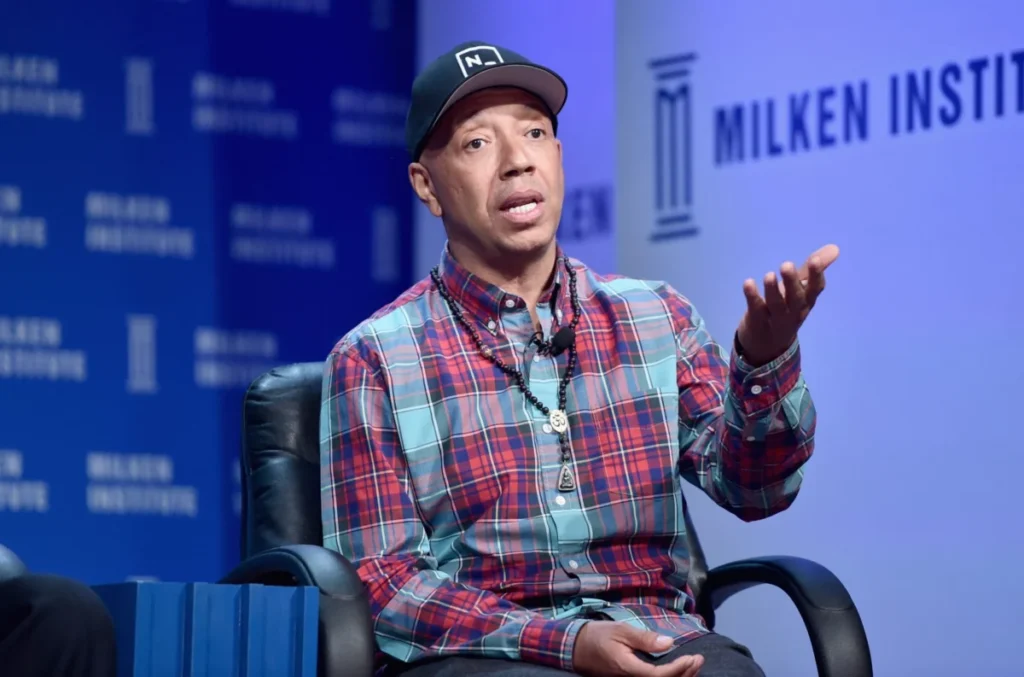

A New York state judge has ruled that Russell Simmons can be sued for rape in the state, despite his current residence in Indonesia. The decision, made on Tuesday, June 16, marks a significant step in a civil lawsuit filed by a former Def Jam executive who alleges she was raped by Simmons in the 1990s. This ruling allows the case to proceed in New York, rejecting Simmons’ attempts to have the lawsuit dismissed based on his expatriate status and a previous severance agreement.
Persistence Pays Off for Anonymous Accuser
The anonymous accuser, identified in court documents as Jane Doe, initially filed her claims against Simmons in federal court in 2024. However, that federal lawsuit was dismissed last year when a judge determined that Simmons, who has lived in Indonesia since 2018, was outside the court’s jurisdiction. Undeterred, Doe refiled her lawsuit in New York state court. Her persistence has now yielded a crucial victory, as Judge Adam Silvera ruled that New York law permits the case to move forward.
"The complaint alleges the defendant committed the tort of rape in New York state," Judge Silvera wrote in his order, which was first reported by Billboard. "In New York, a court may exercise personal jurisdiction over any non-domiciliary who commits a tortious act within the state, except as to a cause of action for defamation. Therefore, the complaint survives the motion to dismiss stage."

The Legal Battle Over Jurisdiction and Severance
Simmons’ legal team had put forth two primary arguments in their bid to dismiss the state lawsuit. Firstly, they contended that Simmons’ relocation to Indonesia placed him beyond the reach of New York courts. This argument proved unsuccessful as Judge Silvera cited New York’s long-arm statute, which allows jurisdiction over non-residents who commit tortious acts within the state.
Secondly, Simmons’ lawyers asserted that the lawsuit should be thrown out because Jane Doe had allegedly released all claims against the Def Jam founder as part of a severance agreement she signed in 1997 when she left the company. This agreement, if valid, would have precluded her from pursuing legal action related to her employment.
However, Doe’s attorneys have challenged the authenticity of this release, describing it as a "sham" and alleging that her signature was forged. Judge Silvera acknowledged the gravity of this claim, stating that there is a "genuine dispute as to its authenticity." This finding means the court will need to examine evidence to determine whether the severance agreement is legally enforceable before proceeding further.
A Timeline of Allegations and Legal Action
The legal proceedings against Russell Simmons have unfolded over several years, gaining significant public attention following a New York Times investigation published in December 2017. This report detailed accusations of sexual assault and harassment from numerous women against the hip-hop mogul.

- 1990s: Jane Doe alleges she was raped by Russell Simmons at his apartment in New York.
- 1997: Jane Doe signs a severance agreement with Def Jam Recordings.
- 2017: The New York Times publishes an investigative report detailing multiple accusations of sexual abuse against Russell Simmons.
- 2018: Russell Simmons relocates to Indonesia.
- 2020: The HBO documentary "On The Record" further amplifies the voices of accusers and presents additional allegations against Simmons.
- 2024: Jane Doe files a federal lawsuit against Russell Simmons, alleging rape.
- Last Year (2023): The federal lawsuit is dismissed due to Simmons’ lack of presence within the court’s jurisdiction.
- June 16, 2024: Jane Doe refiles her lawsuit in New York state court.
- June 16, 2024: Judge Adam Silvera rules that Russell Simmons can be sued for rape in New York, allowing the case to proceed.
The current lawsuit by Jane Doe was filed under New York’s Adult Survivors Act, a landmark piece of legislation that temporarily lifted statutes of limitations for sex offense claims, allowing survivors to come forward with allegations that might otherwise have been time-barred. Doe’s complaint details an incident where she claims Simmons pinned her to a bed and raped her after she visited his apartment to seek approval for a music video.
Broader Context and Simmons’ Defense
Russell Simmons, a pioneering figure in the music industry and co-founder of Def Jam Recordings in 1984, built a vast hip-hop empire. However, his public image has been significantly tarnished by the numerous sexual misconduct allegations that have emerged over the past decade. While Simmons has consistently denied all allegations of wrongdoing, his defense has faced challenges on multiple fronts.
In his motion to dismiss the Doe lawsuit, Simmons’ attorneys stated, "Defendant hopes to vindicate himself to the many who have judged him unfairly, for many years, on the untrue and unproven allegations of others." This statement reflects his ongoing assertion of innocence and his belief that he has been unfairly targeted.
Beyond the Doe lawsuit, Simmons has also engaged in legal battles related to the HBO documentary "On The Record." In June of last year, he filed a defamation lawsuit against HBO, alleging that the documentary presented false accusations and ignored evidence that would have exonerated him. This case remains pending.

Furthermore, reports indicate that Simmons has settled with at least seven other women who accused him of sexual misconduct. However, some of these accusers have subsequently filed legal petitions alleging that Simmons has failed to meet his financial obligations under these settlement agreements, claiming he is millions of dollars short on promised payments. This suggests a pattern of financial disputes intertwined with the legal fallout from the abuse allegations.
Next Steps in the Legal Process
With Judge Silvera’s ruling, the Jane Doe lawsuit will now enter the discovery phase. This critical stage involves both parties exchanging evidence, including documents, and taking depositions from witnesses. The process is designed to gather all relevant information that will be used to build their respective cases. Judge Silvera has scheduled a court conference for August to establish a timeline for this often protracted legal procedure.
Attorneys for Jane Doe, from the firm Boies Schiller & Flexner, declined to comment on the ruling. A representative for Russell Simmons did not immediately respond to a request for comment. The outcome of this case, and the ongoing legal challenges, will continue to shape the public perception and legal legacy of the once-celebrated music mogul. The persistence of accusers, coupled with legislative measures like the Adult Survivors Act, signifies a shifting legal landscape where survivors are increasingly empowered to seek justice, even years after the alleged events occurred. The court’s eventual determination on the validity of the severance agreement will be a crucial factor in how this particular legal battle concludes.