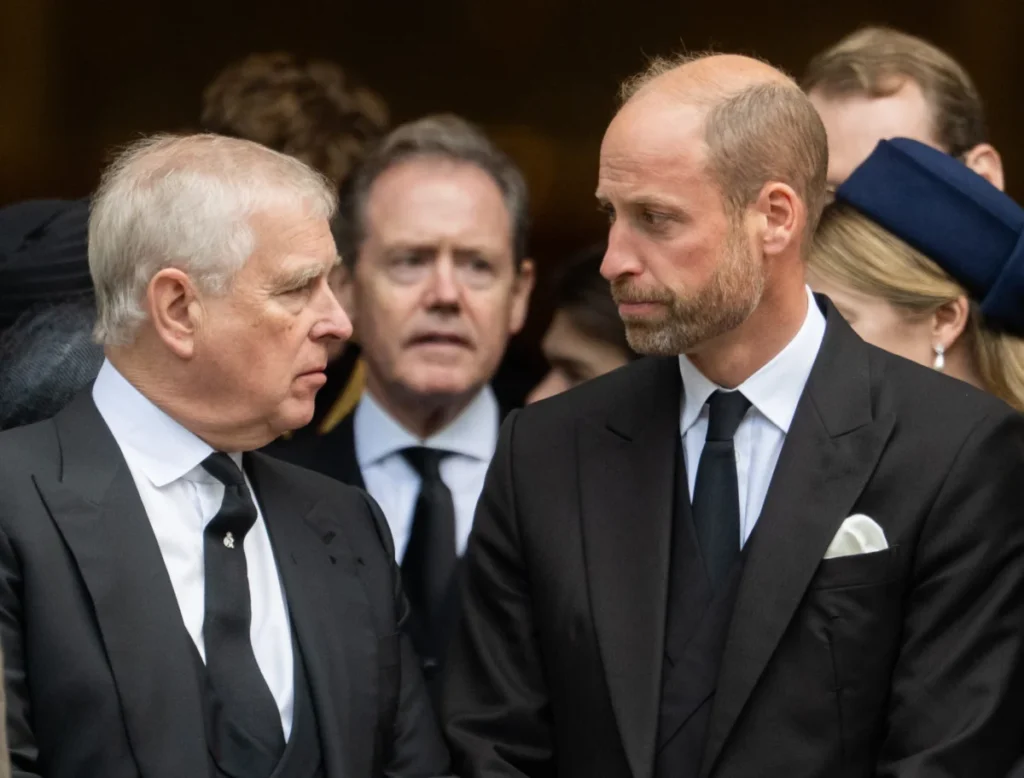

The internal dynamics of the British Royal Family have come under renewed scrutiny as reports surface regarding the complex relationship between Prince William, the Prince of Wales, and his embattled uncle, the former Prince Andrew. Despite Prince William’s documented role as a "hardliner" who encouraged King Charles III to take decisive action against the Duke of York, new insights from royal biographers suggest that the future King has not entirely abandoned his kinsman. This delicate balance between institutional protection and familial obligation comes at a time when Andrew remains deeply marginalized following his association with convicted sex trafficker Jeffrey Epstein and a series of subsequent legal challenges that have effectively stripped him of his public identity.
According to Robert Hardman, a prominent royal biographer, Prince William views his uncle as a "very troubled soul." While William was instrumental in the decision-making process that led to Andrew losing his military affiliations, Royal Patronages, and the use of the "His Royal Highness" (HRH) style, he reportedly maintains a level of concern for the Duke’s well-being. This duality highlights the tension within the House of Windsor as it attempts to modernize and distance itself from scandal while managing the personal fallout of a family member’s public disgrace.
The Institutional Fall: From Royal Lodge to Public Exile
The downfall of Prince Andrew, once a decorated veteran of the Falklands War and a favorite son of the late Queen Elizabeth II, began in earnest with his long-standing association with Jeffrey Epstein. The situation reached a critical juncture following the 2019 BBC Newsnight interview, which was widely characterized as a public relations disaster. Shortly thereafter, Virginia Giuffre filed a civil lawsuit in the United States, alleging that she had been trafficked to the Prince by Epstein. Although Andrew reached an out-of-court settlement with Giuffre—the terms of which remained confidential but were estimated to be in the millions of pounds—the damage to his reputation was deemed irreparable by the palace hierarchy.
In early 2022, with the approval of Queen Elizabeth II and the strong urging of then-Prince Charles and Prince William, Andrew was stripped of his honorary military titles and royal patronages. The move was designed to insulate the monarchy from the ongoing legal proceedings. Following the accession of King Charles III, the pressure on Andrew intensified. The King reportedly moved to evict his brother from Royal Lodge, a 30-room mansion on the Windsor estate that Andrew has occupied since 2003. The King’s efforts to transition Andrew to a smaller residence, such as Frogmore Cottage, reflect a broader strategy of a "slimmed-down monarchy" and a firm stance against those who bring the institution into disrepute.
The Role of Prince William: The Enforcer with a Conscience
Prince William’s involvement in the handling of his uncle’s affairs has been described by insiders as both pragmatic and stern. As the heir to the throne, William is said to be acutely aware of the threat that Andrew’s presence poses to the long-term viability of the monarchy. Observers have noted that William was a primary advocate for the "de-royaling" process, viewing it as a necessary step to ensure the crown’s survival in a contemporary social climate.
However, Robert Hardman’s recent interviews suggest a more nuanced perspective. Hardman contends that while William believes there is "no coming back" for Andrew in a professional or public capacity, he remains mindful of the Duke’s mental health. William has made mental health awareness a cornerstone of his public work, and this philosophy reportedly extends to his private family life. Hardman revealed that Andrew was "very touched" when William was among the few family members to reach out with condolences during periods of personal loss, indicating that the lines of communication have not been entirely severed.
"He understood that his uncle Andrew may have behaved appallingly in many ways over many years," Hardman stated in an interview with Fox News Digital. "But at the same time, he’s a member of the family." This sentiment reflects a broader royal tradition of maintaining private family ties even when public roles are revoked. Andrew has been described as "completely humiliated, publicly humiliated, degraded, disgraced," facing a level of punishment unprecedented for a senior member of the modern Royal Family.
Chronology of a Crisis: Key Milestones in the Duke of York’s Decline
The trajectory of Prince Andrew’s removal from public life can be traced through a series of escalating controversies:
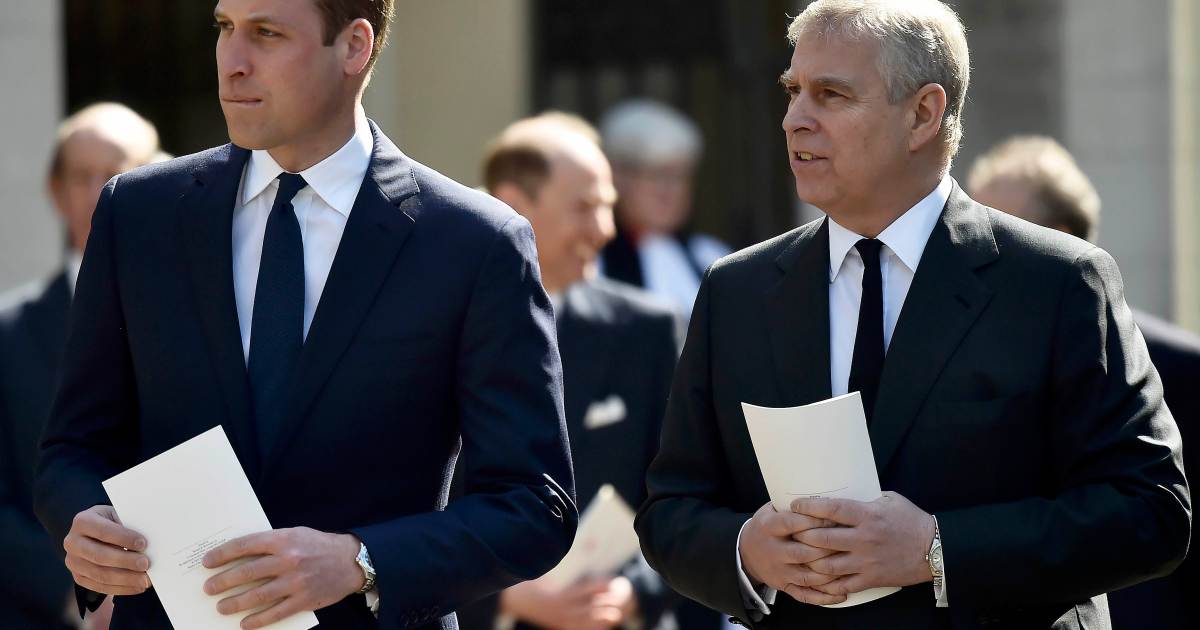
- 2011: Public pressure begins to mount following the publication of a photograph showing Prince Andrew with Jeffrey Epstein in Central Park, shortly after Epstein’s initial conviction in Florida.
- November 2019: The Duke of York participates in a "car-crash" interview with Emily Maitlis on BBC Newsnight. The interview fails to provide a satisfactory explanation for his ties to Epstein and lacks empathy for Epstein’s victims.
- January 2022: Buckingham Palace announces that Andrew’s military affiliations and Royal Patronages have been returned to the Queen. He ceases using the HRH style in an official capacity.
- February 2022: Andrew reaches an out-of-court settlement with Virginia Giuffre, avoiding a civil trial in New York.
- May 2023: Following the Coronation of King Charles III, reports emerge of a deepening rift over Andrew’s residency at Royal Lodge.
- February 2026: In a significant legal escalation, reports emerge of an arrest involving the former Duke on suspicion of misconduct while in public office. The allegations reportedly involve the relaying of confidential information during his time as a trade envoy.
New Legal Challenges and the "De-Royaled" Reality
The most recent developments in the Andrew saga involve allegations of misconduct in public office. This new legal hurdle stems from his previous role as the UK’s Special Representative for International Trade and Investment, a position he held from 2001 to 2011. The accusation that he may have shared sensitive information with Jeffrey Epstein or other associates has added a layer of criminal suspicion to an already fraught situation.
For King Charles and Prince William, this latest crisis reinforces the necessity of the "hardline" approach. The process of being "effectively un-royal" is not merely a loss of titles; it is a total removal from the machinery of the state. Andrew no longer receives public funding for security, and his ability to represent the crown in any capacity—even at private family events—is subject to intense scrutiny.
Analysis: The Implications for the Future Monarchy
The handling of Prince Andrew serves as a blueprint for how the monarchy under King Charles and eventually King William will deal with internal dissent and scandal. The transition from the "family firm" to a more streamlined, accountability-focused institution is evident.
From a strategic standpoint, William’s reported compassion toward his uncle serves a dual purpose. It humanizes the future King, showing that he is not a "cold" bureaucrat but a leader who values mental health and family bonds. Conversely, his refusal to allow those bonds to influence public policy or royal status demonstrates a commitment to the integrity of the throne.
The "Andrew Problem" remains one of the most significant challenges for the House of Windsor. The Duke’s refusal to vacate Royal Lodge and his ongoing legal battles keep the Epstein scandal in the headlines, complicating the King’s efforts to focus on his own reign and his charitable initiatives. Furthermore, the arrest in early 2026 suggests that the legal repercussions of Andrew’s past associations may continue to haunt the palace for years to come.
Public Perception and the Path Forward
Public sentiment in the United Kingdom remains largely critical of Prince Andrew. Polling consistently shows that a vast majority of the British public supports the decision to strip him of his titles and believes he should have no role in public life. For Prince William, maintaining a private line of support while upholding a public stance of exclusion is a high-wire act of diplomacy.
The biographer Robert Hardman notes that William is "thoughtful" and "serious" about these issues. As the Prince of Wales prepares for his eventual transition to the throne, his management of the Andrew situation will be viewed as a testament to his leadership style. By treating his uncle as a "troubled soul" rather than a political pawn, William attempts to balance the harsh realities of constitutional duty with the private demands of empathy.
As the legal proceedings regarding the 2026 misconduct allegations continue, the Royal Family is expected to maintain its policy of non-comment on private legal matters. However, the shadow cast by the former Duke of York continues to loom large over Windsor, serving as a constant reminder of the fragility of royal prestige and the high cost of institutional failure. Whether Andrew can find a quiet life in the margins or if further legal revelations will continue to disrupt the monarchy’s stability remains the central question of this ongoing royal drama.