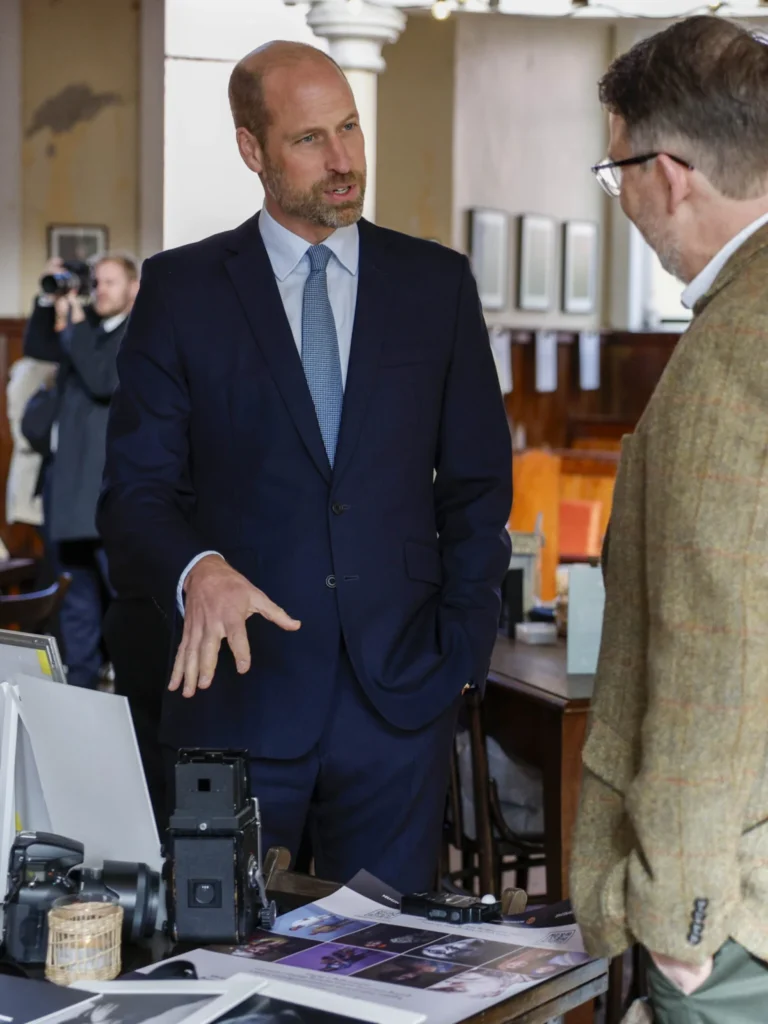

The Prince and Princess of Wales arrived in Northern Ireland for a high-profile engagement schedule centered on grassroots community regeneration, youth empowerment, and local enterprise. Kicking off an intensive afternoon of visits along Belfast’s vibrant Ormeau Road, the royal couple’s first port of call was The Commons—a striking architectural and social transformation of the former Ballynafeigh Methodist Church into a thriving multi-purpose community hub.
The visit highlights ongoing efforts within Northern Ireland to repurpose historical and religious landmarks to meet modern socio-economic challenges, providing a vital blueprint for urban renewal and community cohesion.
Arrival and Warm Welcome on the Ormeau Road
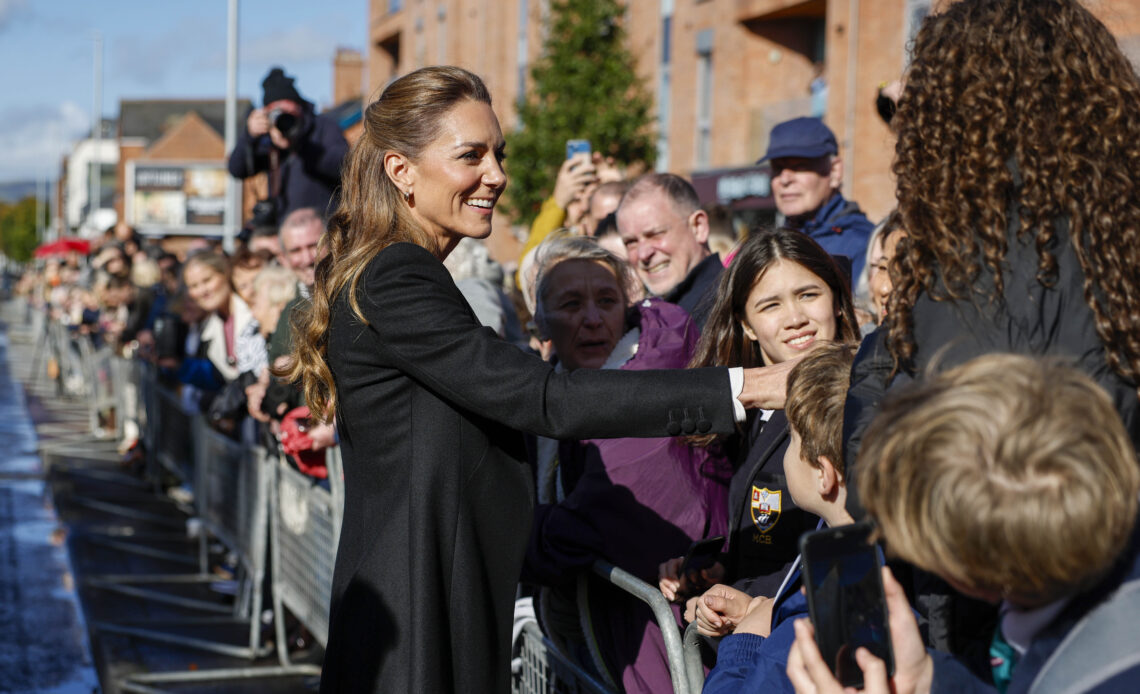
Upon touching down in Belfast, the Prince and Princess were greeted by enthusiastic crowds of local well-wishers who had gathered along the route despite the brisk afternoon weather. Demonstrating their familiar and approachable style of public engagement, Prince William paused frequently to take selfies with members of the public, while the Princess of Wales engaged warmly with local parents, families, and young infants in the crowd.
The royal couple was officially welcomed to the venue by Northern Ireland’s Deputy First Minister, Emma Little-Pengelly, underscoring the regional significance of the visit. The presence of senior political figures alongside the royals served to emphasize the strategic importance of community-led initiatives in fostering social stability and local economic growth across Northern Ireland.
From Sacred Space to Secular Hub: The Transformation of The Commons
The centerpiece of the initial leg of the visit was The Commons, an ambitious project that has successfully reimagined the historic Ballynafeigh Methodist Church. Once a traditional place of worship, the building has undergone comprehensive structural restoration and sensitive refurbishment to emerge as a dynamic cultural and social venue.
During their private tour of the facility, William and Kate were walked through the intricate stages of the restoration process by the project’s founders and local stakeholders. The building now serves multiple functions: it hosts arts and cultural events, operates as a safe, alcohol-free social space featuring a dry bar, and accommodates traditional church ceremonies and festive Christmas services, bridging the gap between historical heritage and modern community needs.
Furthermore, the hub places a heavy emphasis on supporting vulnerable demographics, particularly women. The royal couple spent significant time interacting with various groups utilizing the space, including a local sewing circle that fosters social inclusion, mental well-being, and skill-sharing among participants.
Addressing Youth Homelessness and Employment
Following their tour of the multi-use facility, the Prince and Princess turned their attention to the critical issue of youth homelessness and labor market integration. They met with representatives and young participants of the New Employment Opportunities (NEO) Network, an organization dedicated to supporting vulnerable youth who are either experiencing homelessness or are at imminent risk of housing precarity.
The conversation focused on the multi-layered barriers young people face when transitioning from precarious living situations into stable employment or education. The Prince and Princess listened intently to personal accounts from participants who have benefited from the network’s targeted mentoring, skill-building workshops, and transitional housing support.
Through their respective patronages and foundations, both William and Kate have long championed initiatives aimed at ending homelessness and expanding mental health resources for young adults. Observers noted that the Belfast visit offered a practical showcase of how grassroots organizations can successfully partner with local enterprises to create viable pathways out of poverty.
Broader Context and Regional Implications
The visit to Belfast forms part of a carefully curated series of engagements designed to highlight resilience, innovation, and community-led problem solving in Northern Ireland. Over recent years, urban regeneration projects along commercial and residential arteries like the Ormeau Road have played a crucial role in post-conflict normalization and economic revitalization.
By shining a national and international spotlight on venues like The Commons, royal visits of this nature provide invaluable media exposure for grassroots charities that often operate on constrained budgets and rely heavily on volunteer support. Analysts point out that royal patronage and high-profile site visits frequently yield tangible benefits, including increased public donations, enhanced volunteer recruitment, and elevated stakeholder engagement.
Economic and Social Impact Analysis
Community hubs structured around multi-faith or secular regeneration models are increasingly viewed by urban planners as vital infrastructure for social cohesion. In areas historically affected by sectarian divisions and economic restructuring, neutral spaces that offer holistic support—ranging from creative arts to employment counseling—act as civic anchors.
The inclusion of the dry bar and arts programming at The Commons reflects a modern demographic shift toward health-conscious, family-friendly, and culturally diverse social offerings. By endorsing these models, the Prince and Princess of Wales continue to signal their preference for forward-thinking, preventative social interventions over traditional, top-down bureaucratic approaches.
Conclusion of the Afternoon Leg
The initial segment of the Belfast itinerary concluded with expressions of gratitude from the local leadership committee and project organizers, who praised the royal couple for their genuine interest in the day-to-day realities facing urban communities in Northern Ireland.
As the Prince and Princess of Wales prepared to move on to subsequent engagements later in the afternoon, the visit to The Commons stood out as a powerful testament to the resilience of local communities and the transformative potential of architectural and social innovation.