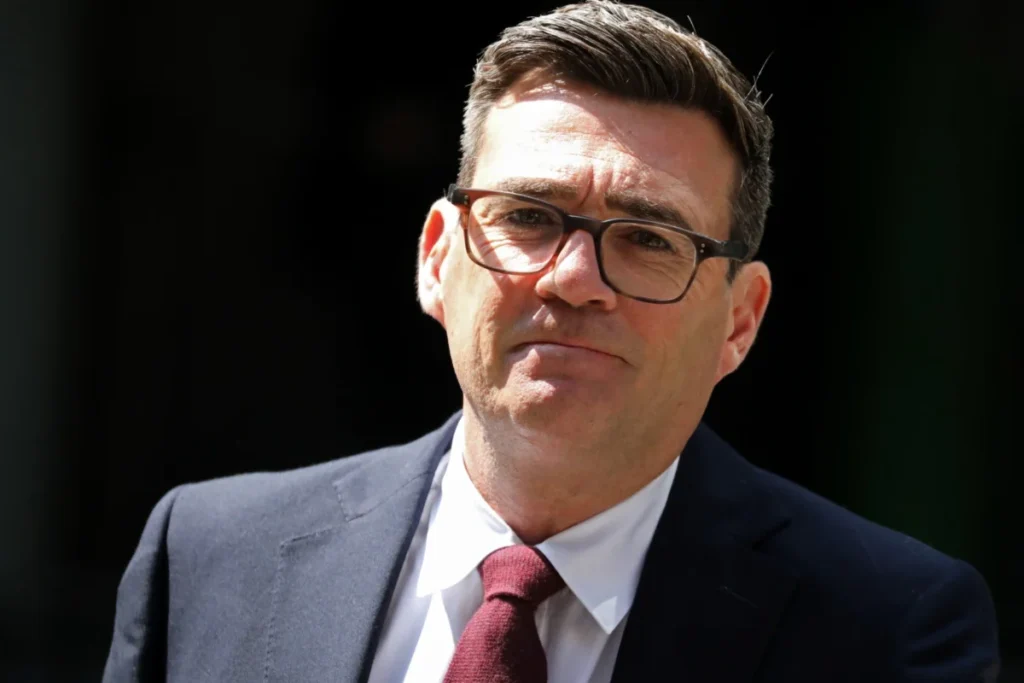

In a significant move aimed at revitalizing the United Kingdom’s struggling grassroots music scene and hospitality sector, Prime Minister Andy Burnham has announced a forthcoming 20% reduction in business rates for pubs, clubs, and music venues. This crucial tax relief is scheduled to come into effect in April 2027, offering a much-needed lifeline to businesses that have faced mounting financial pressures in recent years. The announcement, made on Thursday, July 23rd, signals a proactive stance by the new Labour government to support the cultural and economic backbone of communities across the nation.
Prime Minister Burnham articulated his rationale behind the policy on his X (formerly Twitter) account, stating, "I won’t stand by while these cherished local spaces disappear, replaced by boarded-up windows and ‘For Sale’ signs. They’re the heart of our communities and it’s time we backed them." This sentiment underscores a recognition of the vital role these establishments play beyond mere commercial entities, serving as cultural hubs and integral parts of local identity.
Background and Context: A Sector in Peril
The announcement arrives at a critical juncture for the UK’s live music and hospitality industries. A report released in January by the Music Venue Trust (MVT) painted a stark picture of the sector’s challenges. It revealed that a staggering 53% of all grassroots music venues were operating at a loss in 2025. This financial strain resulted in the loss of over 6,000 jobs, representing a significant 19% contraction in the overall workforce. Factors contributing to this crisis include rising operational costs, increased competition, and the lingering economic impact of the COVID-19 pandemic.
The closure of beloved local venues has become an increasingly common narrative, leading to a cultural drain in towns and cities. This has prompted a groundswell of support from prominent figures within the music industry. Artists such as Harry Styles, Coldplay, and Sam Fender have proactively contributed by pledging £1 from every ticket sold to support these vital spaces. Discussions have also been ongoing regarding the potential implementation of a mandatory ticket levy on large-scale arena and stadium shows, a measure that could provide a more substantial and consistent funding stream for grassroots venues.
The Mechanics of the Business Rates Cut
Business rates are a form of property tax levied on most non-domestic properties in the UK, including shops, offices, pubs, and holiday rental homes. The calculation of these rates is dependent on factors such as the property’s location and its estimated market rental value. According to estimates from No. 10 Downing Street, the forthcoming 20% reduction is expected to save each eligible venue approximately £1,000 annually.

The funding for this tax cut is planned to be generated through a review of existing tax reliefs offered to businesses that are deemed not to make a positive contribution to local communities. The BBC reported that specific examples of businesses that might be subject to this review include vape shops, suggesting a strategic redirection of resources towards sectors considered more beneficial to the social fabric.
Timeline of Events
- January 2026: Music Venue Trust releases a report highlighting the dire financial situation of grassroots music venues, revealing that 53% operated at a loss in 2025 and over 6,000 jobs were lost.
- July 20, 2026: Andy Burnham assumes the role of Prime Minister following the resignation of his predecessor, Sir Keir Starmer. Burnham’s prior experience includes serving as the Mayor of Greater Manchester, where he played a key role in attracting the 2026 BRIT Awards to the city.
- July 23, 2026: Prime Minister Andy Burnham announces a 20% cut in business rates for pubs, clubs, and music venues, effective April 2027.
- April 2027: The 20% business rates cut is scheduled to be implemented nationwide.
Industry Reactions and Calls for Further Action
The announcement has been met with widespread enthusiasm from industry stakeholders, though some have also called for the government to expand the scope of the relief.
Mark Davyd, CEO of the Music Venue Trust (MVT), expressed his organization’s strong approval: "MVT warmly welcomes this announcement from the government, and its recognition that grassroots music venues are essential to our local communities. The 20% additional reduction on business rates from April 2027 is an encouraging first step in a range of opportunities available to Andy Burnham’s new team to not just protect and secure live music, but begin to restore its central role at the heart of our towns and cities."
Davyd also highlighted ongoing implementation challenges with previous relief schemes and emphasized the need for national parity. "There remain some issues of implementation of previous reliefs, and we will work with colleagues in government to ensure that all grassroots music venues in England are recognised and eligible. We call on Senedd, Holyrood, and the Northern Ireland Assembly to swiftly confirm they will match this much needed support through Barnett formula consequentials. Venues in Wales, Scotland and Northern Ireland must be confident of a level playing field of economic conditions for touring across the UK. Live music is an ecosystem, and we strongly urge the government to reconsider the limit to the eligibility criteria so that all live music spaces of all sizes qualify, supporting jobs, local economies and communities to access live music."
Tom Kiehl, CEO of the trade body UK Music, echoed the positive sentiment but urged the government to extend the lifeline to other critical parts of the music ecosystem. "The Government must extend this lifeline to our world-class recording studios," Kiehl stated. "We have lost – and continue to lose – far too many of these spaces, without which our industry simply wouldn’t exist. As a lifelong music fan, the Prime Minister knows full well how essential these spaces are, not only for the future prosperity of our industry, but for communities the length and breadth of the country. We urge him to include studios in this policy and offer them the protection they so urgently need and deserve."
Celebrity chef, publican, and campaigner Tom Kerridge offered a more tempered, yet still positive, perspective during an appearance on BBC 5 Live. He commented, "It doesn’t go far enough, but it does show that there is an understanding that hospitality needs a hand, especially smaller venues. It will come as welcome news," he continued. "But £1,000 on a yearly revenue doesn’t really make a difference. It shows the government is beginning to listen and has an understanding that hospitality is at the core and heart of so many communities." Kerridge’s remarks suggest that while the measure is appreciated, the financial impact for some smaller venues might be marginal, underscoring the need for ongoing support.

Broader Implications and Analysis
The 20% business rates cut represents a tangible commitment from the Burnham government to address the systemic challenges facing the UK’s cultural and hospitality sectors. By targeting business rates, the government is directly addressing a significant operational cost for many venues. The estimated £1,000 annual saving per venue, while deemed insufficient by some, could nonetheless be crucial for businesses operating on thin margins, potentially preventing closures and preserving jobs.
The rationale for funding the cut by reviewing reliefs for less community-beneficial businesses is a strategic move, aiming to reallocate public funds towards areas with greater social and economic impact. This approach signals a potential shift in fiscal priorities, emphasizing the value of cultural infrastructure.
The call from UK Music to include recording studios in the relief package highlights the interconnectedness of the music industry. The decline of studio spaces directly impacts the ability of artists to create new music, potentially stifling future talent and innovation.
Furthermore, the appeals from the Music Venue Trust to devolved governments in Wales, Scotland, and Northern Ireland underscore the importance of a unified approach to supporting the live music sector across the entire United Kingdom. Ensuring a level playing field for touring artists and venues is essential for the long-term health of the industry.
The government’s commitment to reviewing the eligibility criteria for the relief, as urged by MVT, will be critical. A broader definition of "live music spaces" could ensure that smaller, independent venues, as well as diverse performance spaces, benefit from the policy, maximizing its positive impact on communities nationwide.
Prime Minister Burnham’s background as Mayor of Greater Manchester, a city with a vibrant music scene, lends credibility to his commitment. His understanding of the cultural and economic significance of live music is likely to inform future policy decisions. The success of this initiative will hinge on its effective implementation and the government’s willingness to engage further with industry stakeholders to address the multifaceted challenges faced by the UK’s vital music and hospitality sectors. The coming years will reveal whether this tax cut proves to be a significant turning point or a modest step in a longer journey towards securing the future of these cherished community assets.