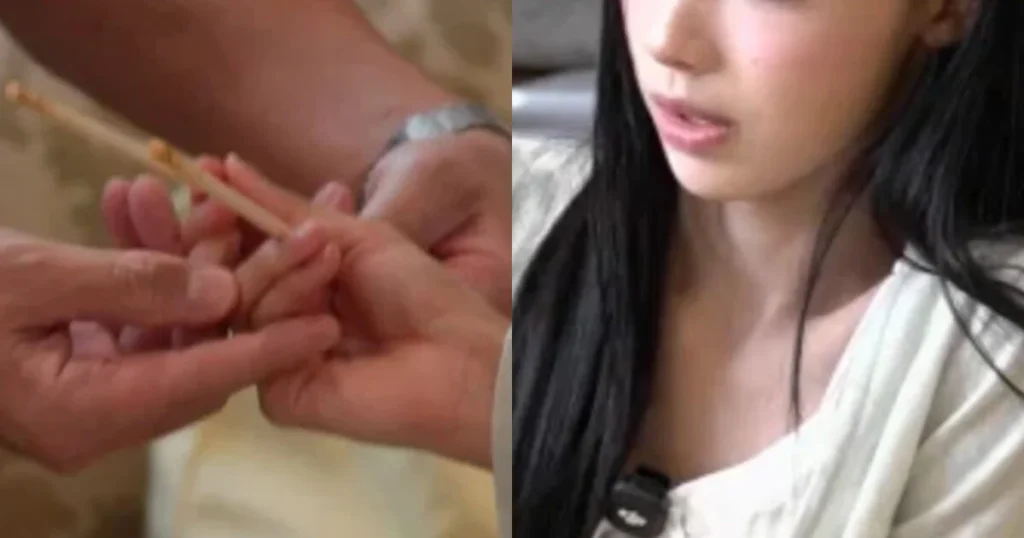

The intersection of South Korean entertainment, digital public scrutiny, and traditional etiquette became the center of an online debate following a recent televised interaction between veteran actor Lee Seo Jin and rookie female idol Woni, a member of the girl group RESCENE. What began as a casual observation regarding table manners quickly evolved into a viral internet phenomenon, illuminating broader cultural anxieties surrounding public image, generational expectations, and the magnifying glass under which K-pop idols are forced to live.
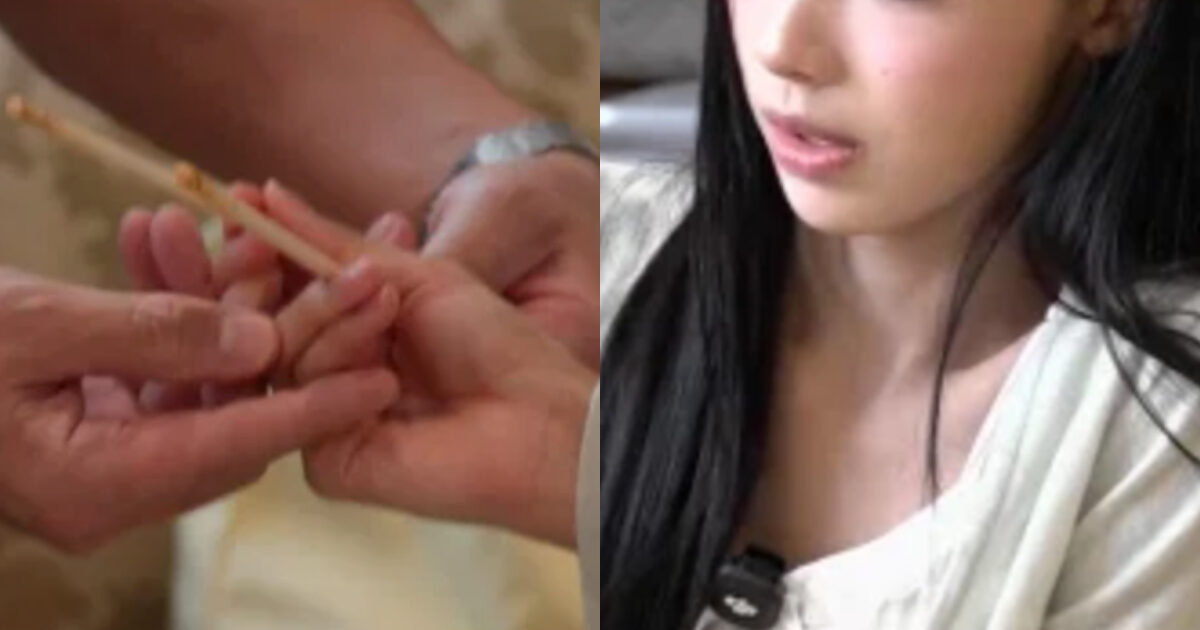
The incident, which surfaced on online community platforms and rapidly gained traction across social media networks, captured a candid moment between the seasoned actor and the young performer. As public figures navigate the fine line between personal authenticity and curated perfection, this unscripted moment offered a rare glimpse into mentorship, public vulnerability, and the enduring significance of traditional etiquette in modern Korean society.
Anatomy of the Viral Interaction
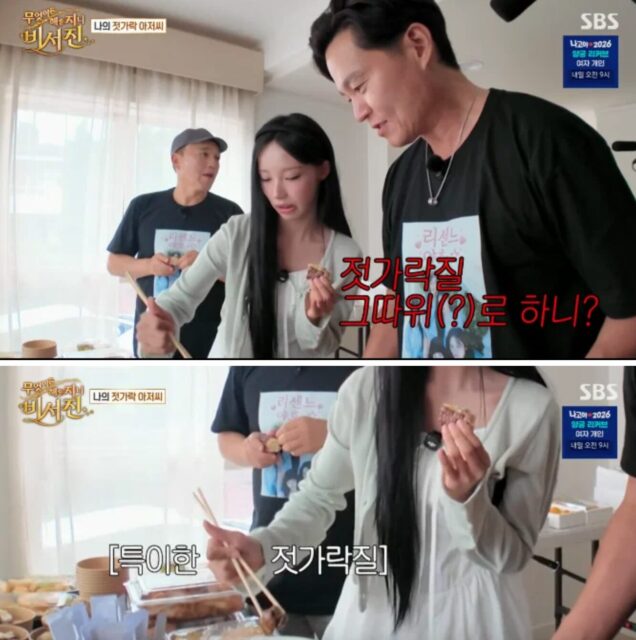
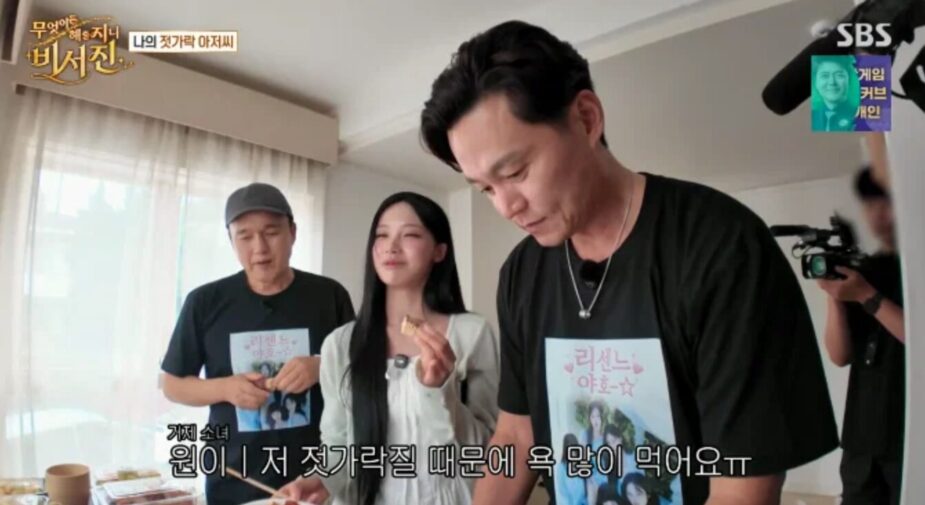
The controversy and subsequent warmth began when Lee Seo Jin noticed Woni’s unconventional method of holding her chopsticks. In South Korea, where dining etiquette holds deep cultural and social significance, the proper grip of utensils is often viewed as a reflection of one’s upbringing, discipline, and respect for tradition. Upon spotting the technique, Lee displayed immediate and visible surprise, a reaction that was captured on camera and later dissected by thousands of internet users.

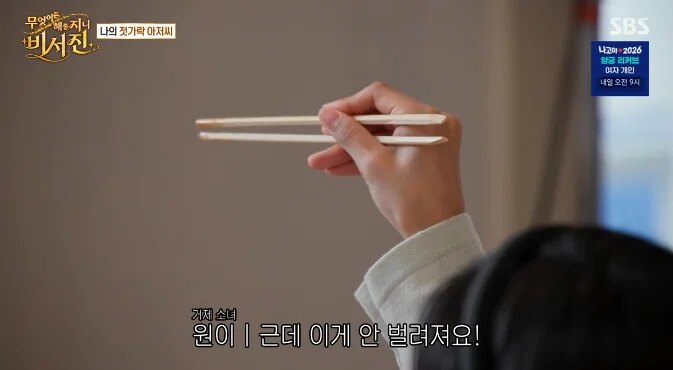
Rather than dismissing the moment or allowing it to pass quietly, Woni openly addressed the issue during the broadcast, confessing the heavy toll the habit had taken on her public reception. "I receive a lot of hate for the way I hold my chopsticks," she admitted, highlighting the surprising severity of criticism faced by public figures over seemingly minor physical habits. In the hyper-vigilant environment of K-pop fandoms and netizen culture, non-standard behaviors—ranging from posture and table manners to speech patterns—frequently become focal points for intense public censure.
Demonstrating unexpected patience and genuine concern, Lee Seo Jin intervened. Eschewing any sense of indifference or judgment, the veteran actor took it upon himself to provide a hands-on tutorial on the proper mechanics of utensil handling. Despite initial frustration and lighthearted complaints from Woni regarding the difficulty of breaking a deeply ingrained muscle memory, Lee maintained his instructional stance. Through persistent guidance and step-by-step correction, the impromptu lesson culminated in success, with Woni finally mastering the conventional grip under the actor’s watchful eye.
Cultural Context: Chopstick Etiquette in South Korea
To fully understand the massive public response to Lee and Woni’s interaction, one must examine the socio-cultural weight attached to chopstick etiquette in East Asia, particularly in South Korea. Unlike wooden or plastic counterparts found in other regional cuisines, traditional Korean chopsticks are typically crafted from metal—historically silver or brass, and currently stainless steel. This material choice makes them notoriously difficult to master for beginners, as they are heavier, thinner, and more prone to slipping than wooden alternatives.
In Korean households, teaching children the correct grip—traditionally involving the placement of the lower chopstick on the ring finger and the upper chopstick manipulated by the thumb, index, and middle fingers—is considered a fundamental milestone of socialization. Deviations from this standard, colloquially referred to as a "pencilling" grip or crossed chopsticks, are frequently stigmatized as indicators of poor domestic education or a lack of refined manners.
For K-pop idols, who are subjected to relentless scrutiny via reality shows, behind-the-scenes vlogs, and variety appearances, these cultural expectations are magnified. Every gesture is subjected to freeze-frame analysis by netizens, transforming minor physical idiosyncrasies into lightning rods for unwarranted online harassment. Woni’s confession that she received hate comments over her chopstick grip underscores the unforgiving nature of contemporary celebrity culture, where perfection is demanded across all domains of life.
Public Reaction and Netizen Discourse
Following the broadcast and the subsequent spread of clips across platforms like Theqoo and various community boards, public sentiment overwhelmingly coalesced around praise for Lee Seo Jin’s compassionate approach. While initial discussions centered on the novelty of a top-tier actor taking time to correct a rookie idol’s table manners, the narrative quickly shifted toward appreciation for his mentorship and protective demeanor.
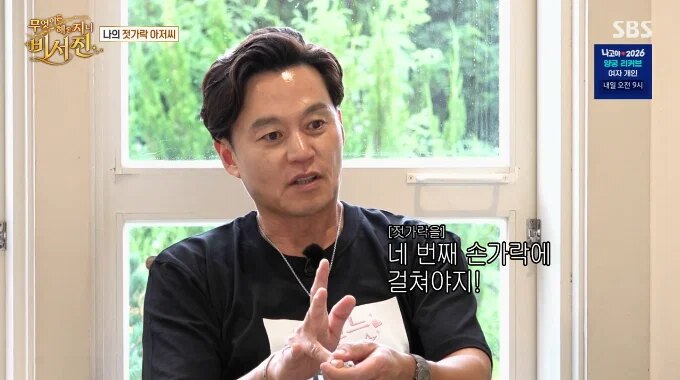
Commentators on online forums noted that Lee’s actions demonstrated genuine care rather than condescension. In an industry where senior-junior relationships can sometimes be characterized by formal distance or performative kindness, Lee’s hands-on instruction was interpreted as an act of paternal or elder guardianship. Netizens flooded social media with positive remarks, contrasting his supportive intervention with the harsh cyberbullying Woni had previously endured over the same issue.
Furthermore, the incident sparked a wider conversation regarding the absurdity of malicious cyber attacks directed at young artists over trivial matters. Many commentators used the opportunity to call out the toxicity of netizen culture, arguing that public figures should be allowed the grace to possess normal human imperfections without facing organized online backlash.
Broader Implications for the Entertainment Industry
The widespread resonance of this unscripted moment points to several shifting dynamics within the South Korean entertainment landscape:
- Humanizing Veterans and Rookies: Interactions that bridge generational gaps in the entertainment industry consistently capture public interest. By stepping outside the rigid hierarchies often associated with Korean broadcasting, senior figures like Lee Seo Jin help humanize younger idols while reinforcing their own reputation for authenticity.
- The Weaponization of Etiquette: The incident serves as a case study in how cultural norms are sometimes weaponized by anonymous commentators online. The transition of a simple table manner into a source of severe psychological pressure for an idol highlights the psychological hazards of modern celebrity status.
- The Power of Positive Amplification: While negative controversies often dominate digital news cycles, positive interventions like Lee’s demonstrate how mentorship and kindness can successfully pivot a public narrative, turning a point of vulnerability into a moment of collective empathy.
As RESCENE continues to build its career in the fiercely competitive K-pop market, Woni’s viral moment—redefined by perseverance and mentorship—leaves a lasting impression on fans and industry observers alike. Meanwhile, Lee Seo Jin’s uncalculated display of concern further solidifies his standing not only as a seasoned actor, but as a grounded figure capable of navigating cultural traditions with empathy and grace.