
The entertainment industry operates under a microscope where digital footprints can effortlessly alter a decade-long career in a matter of seconds. For Thai actor Kitsakorn Kanogtorn, widely known by his nickname “Tongtong,” an accidental social media post on October 5 has sparked intense public scrutiny, rapid online backlash, and a formal public apology. The incident, which involves the unintentional sharing of an intimate photograph on Instagram, has reverberated across Asian entertainment circles, bringing renewed attention to the fragile boundary between the private lives of public figures and the expectations of a devoted fandom.
Main Facts and the Incident of October 5
The controversy began when Kitsakorn Kanogtorn uploaded a photograph to his official Instagram story that quickly alarmed his followers. The image, captured from a low angle, depicted the back of an unidentified woman with long hair, framed by the unmistakable textures of bedsheets along the edges of the composition. Realizing the gravity of the post, the actor deleted the story within minutes, but the digital age ensures that ephemeral content rarely vanishes entirely. Screenshots were captured, archived, and rapidly disseminated across various social media platforms, including X (formerly Twitter) and local Thai forums.
Within hours, the inadvertent upload generated a wave of public discussion. As a prominent figure in the Thai television and streaming industry—particularly following his recent entry into the high-profile Boys’ Love (BL) genre—Kitsakorn’s personal life is a subject of immense interest to fans. The sudden exposure of an intimate setting caught the fandom off guard, leading to immediate speculation regarding the identity of the individual in the photo, the timeline of when it was taken, and the potential implications for the actor’s current professional partnerships.
Career Background and Rise to Prominence
To understand the weight of the current public reaction, it is essential to examine Kitsakorn’s trajectory within the entertainment landscape. Having spent a decade building his reputation as a reliable and versatile television actor, Kitsakorn first gained mainstream visibility through his appearance in the popular series Bang Rak Soi 9/1. Over the subsequent ten years, he steadily expanded his portfolio, securing roles in notable television projects such as To Sir, with Love and 4 The Elements.
However, his career reached a significant milestone earlier this year when he was cast in his first-ever leading role in a BL series titled NOUR. Premiering on August 26, the series paired Kitsakorn with co-star Patthakarn Thanasiriudom, widely known as “Boss.” Entering the BL genre often introduces actors to a uniquely passionate and protective fan base, where the dynamics of on-screen chemistry frequently bleed into real-world expectations of romantic availability and professional dedication. This context significantly amplified the sensitivity of the accidental photo sharing, as fans of the series and the actor’s pairing with Patthakarn expressed immediate concern over how the revelation might impact their collaborative future.

Chronology of Events
A detailed timeline outlines how the controversy unfolded over a critical forty-eight-hour window:
- August 26: Kitsakorn makes his debut in a leading BL role alongside Patthakarn Thanasiriudom in the premiere of the streaming series NOUR, expanding his demographic reach and garnering a new wave of dedicated followers.
- October 5 (Evening): Kitsakorn inadvertently uploads an Instagram story featuring a low-angle photograph of a woman with long hair in a bed setting. The story is swiftly deleted, but not before digital archives capture the image.
- October 5 (Late Night): Screenshots circulate widely across social media networks, generating mounting speculation and critical commentary regarding privacy, professional image, and fan expectations.
- October 6: Facing escalating public discourse and potential reputational damage, Kitsakorn issues a formal statement and apology addressing the incident directly on his social media channels.
Official Responses and Public Apology
In the wake of the intense online reaction, Kitsakorn did not shy away from accountability. On October 6, he released a comprehensive statement via his official channels addressing the accidental upload. Within his message, the actor confirmed the authenticity of the image, clarifying that while the photograph was real, the circumstances surrounding it belonged firmly to the past.
Furthermore, Kitsakorn directed a significant portion of his apology toward his co-star, Patthakarn Thanasiriudom, and the broader fan community. He acknowledged the potential distress and disappointment the image may have caused those who support his career and his current professional projects. The prompt nature of the apology was viewed by industry analysts as a strategic effort to mitigate long-term damage, maintaining transparency while attempting to reassure stakeholders of his dedication to his professional commitments.
Broader Impact and Implications for Public Figures
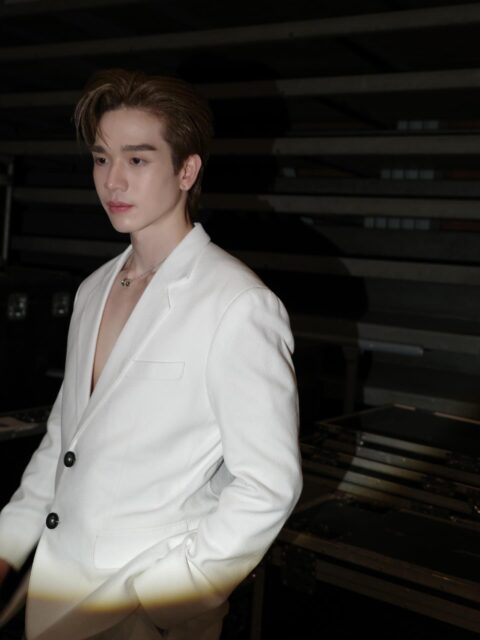
The incident involving Kitsakorn Kanogtorn highlights a recurring vulnerability faced by contemporary celebrities in an era dominated by instantaneous digital communication. The boundary between professional branding and private existence has become increasingly porous, largely due to the structural design of social media platforms that encourage constant connectivity.
For actors navigating the highly scrutinized spaces of Asian television—particularly within genres that heavily rely on fan engagement and perceived accessibility, such as the BL industry—mistakes involving personal privacy can carry disproportionate professional consequences. Fan culture often demands a high level of emotional and personal investment, making accidental disclosures regarding private relationships or past personal matters potent catalysts for controversy.
Industry observers note that while digital missteps by public figures frequently trigger immediate online backlash, the long-term impact typically depends on the transparency and accountability demonstrated in the aftermath. By issuing a swift acknowledgment and direct apology, Kitsakorn sought to reassert control over the narrative, prioritizing damage control for both his personal reputation and his collaborative obligations on NOUR. As the entertainment industry continues to adapt to the realities of hyper-connected digital fandoms, the incident serves as a stark reminder of the perpetual caution required by those living their lives in the public eye.