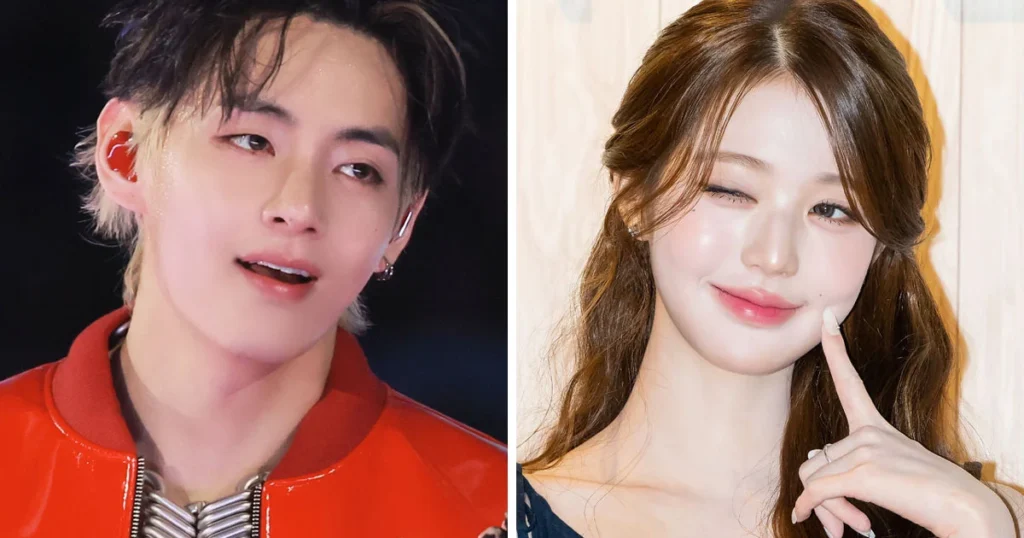

The Evolution of the K-Pop Dating Culture
Historically, the K-Pop industry operated under a rigid framework where dating was often contractually prohibited or at least heavily discouraged to maintain the "pure" image of the idol. During the first and second generations of K-Pop, a confirmed relationship could effectively terminate a career or lead to massive protests from "sasaeng" (obsessive) fans. However, as the industry expanded into Western markets and the "Hallyu" wave reached unprecedented heights, the cultural paradigm began to shift.
By 2024 and 2025, the industry witnessed a transition where major agencies like HYBE, SM Entertainment, and YG Entertainment started issuing more diverse responses to dating rumors. While some agencies still maintain a "cannot confirm nor deny due to the artist’s privacy" stance, others have moved toward cautious confirmation. This evolution has created a vacuum of information that fans often fill with their own investigations, leading to the current state of "rumor culture" that necessitates public polls and community-driven verification processes.
Chronology of Recent Speculations (2025–2026)
To understand the context of the current poll, one must look at the timeline of events that have led to this peak in public interest. The last eighteen months have been particularly volatile regarding celebrity relationships within the Seoul entertainment circuit.
Late 2025: The Rise of "Dispatch-Style" Citizen Journalism
The year 2025 saw a decline in traditional paparazzi dominance as social media platforms like TikTok and X (formerly Twitter) became the primary sources for "blind items." In October 2025, a series of blurred photographs allegedly showing a top-tier boy group member and a rising fourth-generation girl group leader in a Paris café went viral. Although agencies remained silent, the digital footprint left by the idols—matching accessories and synchronized social media posts—fueled months of speculation.
January 2026: The New Year’s Reveal
Traditionally, the start of the year is marked by a major dating reveal. On January 1, 2026, reports surfaced regarding a long-term relationship between two prominent soloists who had previously collaborated on a chart-topping single. The immediate confirmation by their respective agencies marked a significant departure from the usual "wait-and-see" approach, signaling a potential new era of openness.
March 2026: The "Lovestagram" Controversy
In the spring of 2026, fans identified several "matching items" between a member of a global sensation group and a high-fashion model. This sparked a debate on the ethics of "shipping" culture and the invasion of privacy, as fans used AI-enhanced imagery to track the reflection in windows of social media posts to determine if the individuals were in the same location.
June 2026: The Current Landscape
The launch of the poll on June 28, 2026, comes at a time when at least four major dating rumors are circulating simultaneously. These involve members of groups currently on world tours, adding a layer of complexity as fans track their movements across international borders.
Supporting Data and Market Impact
The financial implications of dating rumors in the K-Pop sector are measurable and often severe. Publicly traded entertainment companies frequently see their stock prices fluctuate based on the perceived stability of their artists’ public images.
According to market data from the first quarter of 2026, a "dating scandal" involving a "center" member of a group can lead to a short-term stock dip of anywhere from 2% to 5%. However, recent trends suggest that the "rebound" period is shortening. In 2016, a dating rumor could depress stock prices for weeks; in 2026, the market often corrects itself within 48 hours, provided the agency manages the communication effectively.
Furthermore, fan sentiment data suggests a generational divide. A survey conducted by a Seoul-based cultural institute in early 2026 found that 72% of Gen Z and Gen Alpha fans (aged 12–28) believe that idols should be allowed to date openly without professional repercussions. In contrast, only 41% of fans aged 35 and older held the same view. This demographic shift is likely why media outlets are increasingly using interactive polls to engage a younger audience that views dating rumors more as a form of "celebrity lore" rather than a betrayal of the fan-idol contract.
Official Agency Responses and Legal Frameworks
The rhetoric used by K-Pop agencies has undergone a professional transformation. In the past, denials were often aggressive and absolute. Today, the legal and PR departments of "The Big Four" (HYBE, SM, YG, JYP) utilize more sophisticated language.
Common responses in 2026 include:
- The Privacy Shield: "It is difficult to confirm the artist’s private life. We ask for your understanding."
- The Strategic Silence: No response is given, allowing the news cycle to move on naturally.
- The Legal Warning: "We are monitoring the spread of false information and will take legal action against malicious rumors that defame our artists."
The South Korean legal system has also tightened regulations regarding online defamation. Under the Act on Promotion of Information and Communications Network Utilization and Information Protection, spreading false rumors can lead to significant fines or imprisonment. Agencies are now more likely to sue individual "netizens" who fabricate evidence of dating, which has made the public more cautious but also more reliant on "consensus-building" tools like polls to determine what is widely believed versus what is officially confirmed.
Sociological Analysis: The Parasocial Paradox
The persistence of dating rumors and the high engagement with polls regarding them can be attributed to the "parasocial relationship"—a one-sided relationship where fans feel a deep, personal connection with a celebrity. In K-Pop, this is amplified by content that encourages fans to feel like "partners" or "close friends" of the idols.
When a dating rumor surfaces, it disrupts this parasocial fantasy. The poll serves as a psychological tool for the fandom to process this disruption. By voting on whether a rumor is "true" or "false," fans regain a sense of agency and participation in the narrative of the idol’s life. It transforms a private matter into a communal event, allowing the fandom to prepare for a potential confirmation or to collectively dismiss a rumor as "fake news," thereby protecting the original parasocial bond.
Broader Impact on the Global Entertainment Industry
The way K-Pop handles dating rumors is beginning to influence global entertainment standards. As K-Pop idols become ambassadors for luxury brands like Chanel, Dior, and Celine, their personal lives are no longer just a concern for music fans; they are a concern for global marketing departments.
A confirmed relationship can lead to "couple branding," a concept that was previously taboo in the industry but is seeing a rise in 2026. If two high-profile idols are confirmed to be dating, they may be approached for joint brand deals, mirroring the "power couple" dynamics seen in Hollywood or the European film industry. This shift represents the ultimate "Westernization" of the K-Pop idol model, where personal authenticity is increasingly valued over the facade of perpetual availability.
Conclusion: The Future of Privacy and Public Discourse
As the poll continues to garner thousands of votes every two hours, it highlights a fundamental truth about the modern entertainment landscape: the line between public persona and private individual has never been thinner. The K-Pop industry is at a crossroads. While the demand for idol privacy is louder than ever from advocacy groups and the artists themselves, the hunger for "authentic" glimpses into their real lives—including their romantic interests—remains the primary driver of digital engagement.
The results of such polls rarely provide a definitive truth, but they do provide something arguably more valuable to the industry: a map of public expectation. Agencies will undoubtedly monitor these results to gauge how "ready" the public is for a specific artist to go public with a relationship. In the high-stakes world of K-Pop, where perception is reality, a poll is never just a poll; it is a strategic data point in the ongoing negotiation between the stars, their handlers, and the millions of people who follow their every move. As the industry moves toward the latter half of 2026, the question remains not just "who is dating whom," but how much of an idol’s heart the public truly has a right to claim.