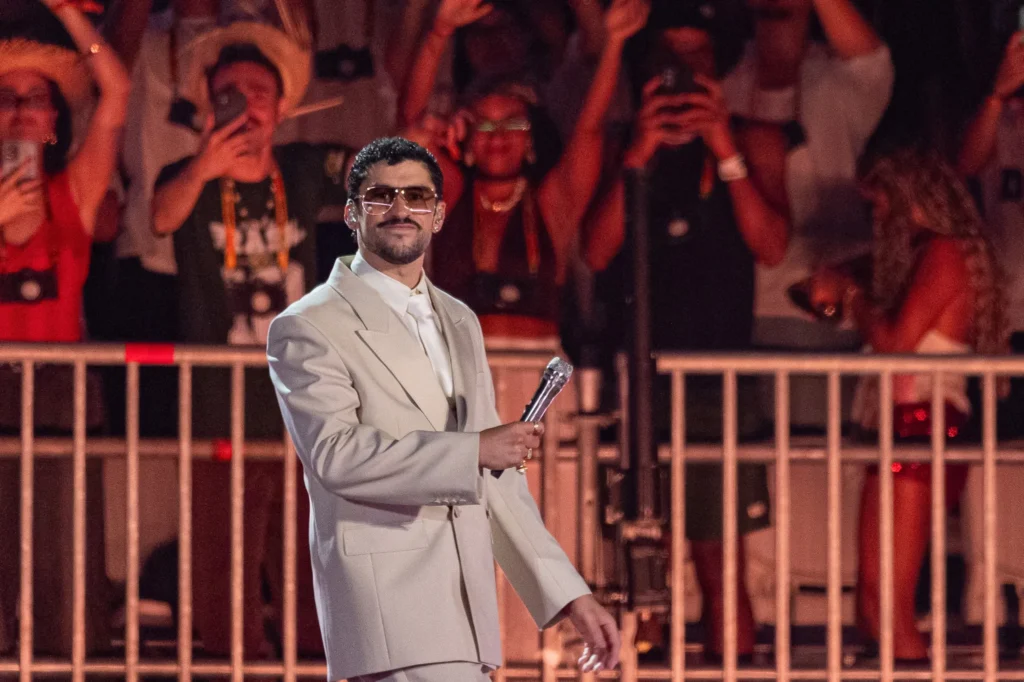

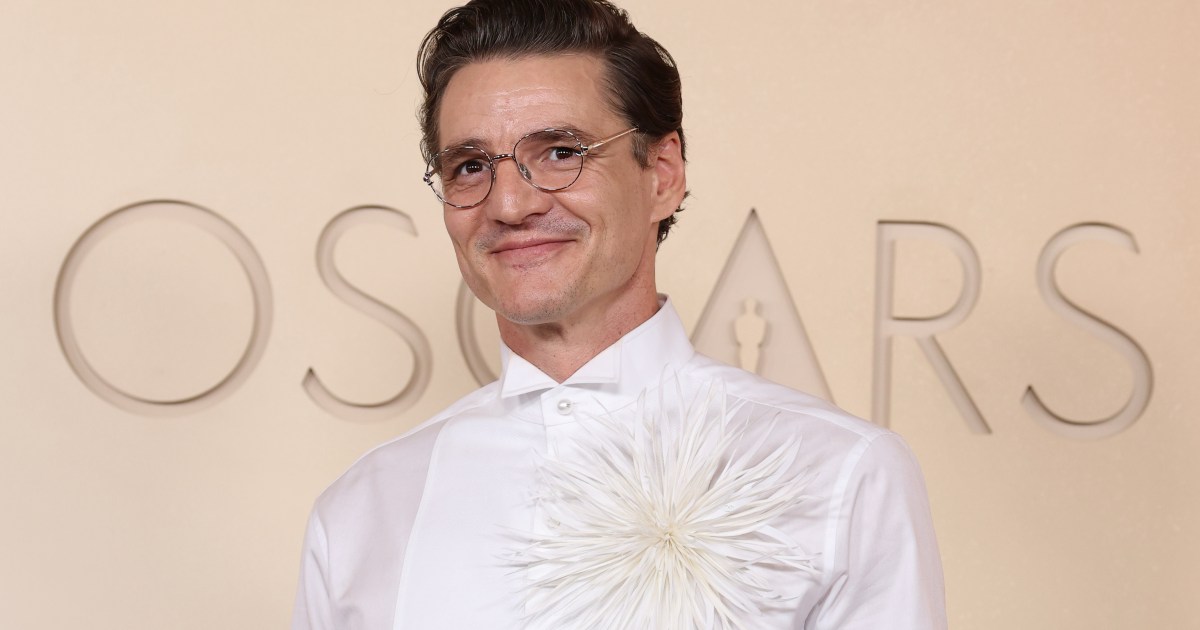
In a revealing interview with Fantastic Man magazine, acclaimed actor Pedro Pascal shared the behind-the-scenes details of his unexpected appearance during the 2026 Super Bowl halftime show. The event, which saw global superstar Bad Bunny become the first Latino artist to headline the prestigious mid-game spectacle, featured a high-energy performance that combined cultural celebration with modern pop-urban influences. Pascal, known for his leading roles in "The Last of Us" and "The Mandalorian," disclosed that his participation was not the result of a standard casting call or a talent agency negotiation, but rather a personal, proactive effort to support a fellow Latin icon.
The Chilean-born actor admitted that he was so determined to be a part of the historic moment at Levi’s Stadium that he reached out to the Grammy-winning singer’s team directly. Pascal’s approach was characterized by a notable lack of ego, as he expressed a willingness to serve in any capacity required to ensure the show’s success. According to Pascal, he contacted Bad Bunny to volunteer his services, even suggesting he would be happy to perform menial tasks such as serving coffee to the crew. This gesture underscores the actor’s deep-seated desire to witness and contribute to a milestone event for Latino representation on one of the world’s most-watched stages.
A Chronology of the Cameo: From Email to Levi’s Stadium
The path to the stage was not immediate for Pascal. After sending his initial outreach expressing interest in participating, the actor faced a period of silence. Despite his global fame and status as one of Hollywood’s most sought-after performers, his "feelers" did not receive an instant response. Undeterred by the lack of communication, Pascal sent a follow-up email. In a move that reflects his well-known sense of humor, he included a selfie with his tongue sticking out to confirm his identity and reiterate his genuine interest.
This second attempt proved successful. Within an hour of the follow-up, Pascal received a formal invitation to join the halftime show production. The instructions provided to him in the days leading up to the event were minimal, focusing primarily on logistics and aesthetics. He was told simply to wear beige and to be prepared for the day of the game. At that stage, the specific nature of his role remained undisclosed, leaving the actor in suspense regarding how he would actually contribute to the performance.
On the day of the Super Bowl, the transition from spectator to performer happened rapidly. Pascal was seated in the stadium, prepared to watch the game and the show, when he was approached by production staff. He was escorted from his seat and taken into the wardrobe department. It was only after being dressed that the creative direction was clarified. Producers informed him that the "vibe" for his segment was dancing. As the set took shape, Pascal realized he was being integrated into a segment titled "The Casita," a conceptual set piece designed to evoke the feeling of a traditional Latin American home and community.
The Significance of the 2026 Halftime Show Production
The 2026 Super Bowl halftime show was a landmark production, not only for its cultural focus but also for its massive scale. Bad Bunny’s headlining set utilized a complex stage design that highlighted various aspects of Caribbean and Latin American culture. The inclusion of "The Casita" segment served as a centerpiece for the performance’s narrative, focusing on themes of family, community, and joy.
Pascal was not the only high-profile guest to join Bad Bunny on stage. The production featured a carefully curated lineup of celebrities, including Colombian superstar Karol G, rapper Cardi B, and actress Jessica Alba. Each guest brought a unique element to the performance:
- Karol G: Provided a vocal powerhouse presence, representing the global explosion of Reggaeton and Latin Pop.
- Cardi B: Delivered a high-energy rap verse, bridging the gap between Latin urban music and American hip-hop.
- Jessica Alba: Joined the ensemble in a choreographed segment, emphasizing the cross-industry support for the historic headlining act.
The synergy between these performers created a multifaceted spectacle that resonated with a broad international audience. Pascal’s role, while focused on movement and atmosphere rather than a spoken or musical performance, added a layer of star power that delighted fans and sparked significant social media engagement.
Viewership Data and Historical Impact
The scale of the event was reflected in the official viewership statistics. The 2026 halftime show drew a staggering 128.2 million domestic viewers across all platforms. This figure solidified the broadcast as the fourth-most-watched halftime show in the history of the Super Bowl, trailing only slightly behind the record-breaking performances of recent years.
The success of the show is particularly noteworthy given the context of the NFL’s ongoing efforts to expand its global footprint. By selecting Bad Bunny as the headliner, the league tapped into a massive international demographic. As the first Latino artist to headline the event solo, Bad Bunny’s performance represented a shift in the NFL’s entertainment strategy, moving toward a more inclusive and globally-oriented approach.
The data suggests that the "Pedro Pascal effect" also played a role in the show’s digital footprint. Following the performance, clips of Pascal dancing in "The Casita" went viral, contributing to the 128.2 million viewer count through secondary views on streaming and social media platforms. The actor’s presence acted as a bridge for fans of prestige television and blockbuster cinema, drawing them into the musical celebration.
Analysis: The Power of Celebrity Proactivity
Pascal’s decision to "volunteer" for the show offers an interesting look into the mechanics of modern celebrity branding and cultural solidarity. In an industry where roles are typically negotiated through layers of management and legal teams, Pascal’s direct outreach stands out as an anomaly. This proactive behavior suggests a personal investment in the cultural significance of the event that transcends professional obligation.
From a public relations perspective, Pascal’s humility—specifically his offer to serve coffee—has further endeared him to his fan base. It reinforces his image as a "man of the people" who remains grounded despite his meteoric rise to fame. Furthermore, the inclusion of such a high-profile actor in a non-speaking, dancing role demonstrates the collaborative nature of major live productions, where the overall "vibe" and visual narrative often take precedence over individual star turns.
The "Casita" segment itself serves as a metaphor for the current state of Latin influence in American media. By bringing together actors, singers, and dancers in a domestic, home-like setting on the world’s largest stage, the production reclaimed a space that has historically been marginalized in US mainstream sports entertainment.
Broader Implications for Future Halftime Shows
The success of the 2026 halftime show is likely to influence the selection process for future Super Bowl performers. The high viewership numbers and positive critical reception of a Latino-led show provide a clear mandate for continued diversity in the league’s entertainment offerings.
Moreover, the "surprise cameo" model, exemplified by Pascal, Karol G, and others, has proven to be an effective way to maintain audience engagement throughout the 12-to-15-minute performance window. By layering different types of talent—musical, cinematic, and cultural—the NFL can ensure that the halftime show appeals to the widest possible audience.
For Pedro Pascal, the experience was more than just a career footnote. It was a chance to participate in a cultural "moment" that celebrated his heritage. While he may have started the process by offering to be a volunteer, his eventual role as a featured dancer in "The Casita" ensured that his contribution was both visible and memorable. As he continues his work in major film and television projects, this Super Bowl cameo remains a testament to his willingness to step outside his comfort zone and his dedication to supporting the broader creative community.
The event at Levi’s Stadium will be remembered not just for the music or the football, but for the collection of stars who came together to support a historic first. As the dust settles on the 2026 season, the image of Pedro Pascal dancing in a beige outfit remains a highlight for millions of fans, proving that sometimes, the best opportunities are the ones you create for yourself.