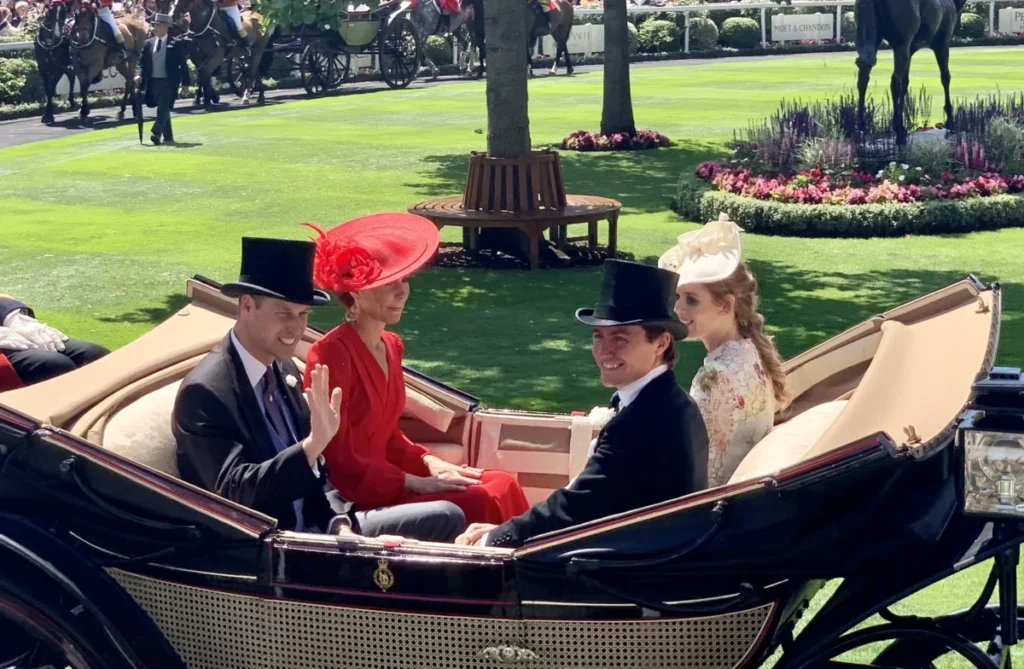

The sartorial spectacle that is Royal Ascot, a highlight of the British social calendar, is poised for a vibrant transformation this year with the introduction of an official "Colour of the Season." For the first time in its storied history, Royal Ascot has designated a specific shade to inspire racegoers, and the chosen hue is a striking tomato red, set to dominate fashion choices, particularly on the prestigious Gold Cup Day, June 18th. This initiative, unveiled as part of the 2026 Royal Ascot Handbook: The Art of Dressing Well, marks a significant departure from the traditionally more subtle palettes often favoured at the event, promising a visually dynamic and unified aesthetic across the racecourse.
A Bold Departure: The Significance of Tomato Red
The declaration of tomato red as the Colour of the Season is a deliberate move to inject a sense of contemporary flair and unified expression into the Royal Ascot experience. This vivid, orangey-red is intended to evoke feelings of summer vibrancy and joyful celebration, aligning with the spirit of the event. While royal attendees have historically favoured pastels, creams, and classic blues and greens, this new directive encourages a bolder approach. The aim is to create a cohesive visual narrative, transforming the racecourse into a canvas of this energetic shade.
Racegoers are being actively encouraged to embrace tomato red. For women, this translates to seeking out "statement dresses" or eye-catching hats in the designated colour. Men are similarly invited to incorporate the hue through their accessories, such as ties or pocket squares. This inclusive approach ensures that the Colour of the Season can be integrated into a variety of personal styles, fostering a collective sartorial statement.
Royal Precedent and Royal Fashion at Ascot
The Royal Family’s enduring connection to Royal Ascot provides a compelling backdrop for this new fashion initiative. For generations, the Royal Family has been synonymous with attendance at the prestigious races, a tradition upheld by King Charles and Queen Camilla, who, like the late Queen Elizabeth II, make it a point to attend as many days of the meeting as their schedules allow. Other prominent royals, including the Prince and Princess of Wales and the Duke and Duchess of Edinburgh, are regular attendees, alongside Princess Anne, whose consistent presence underscores the event’s significance.
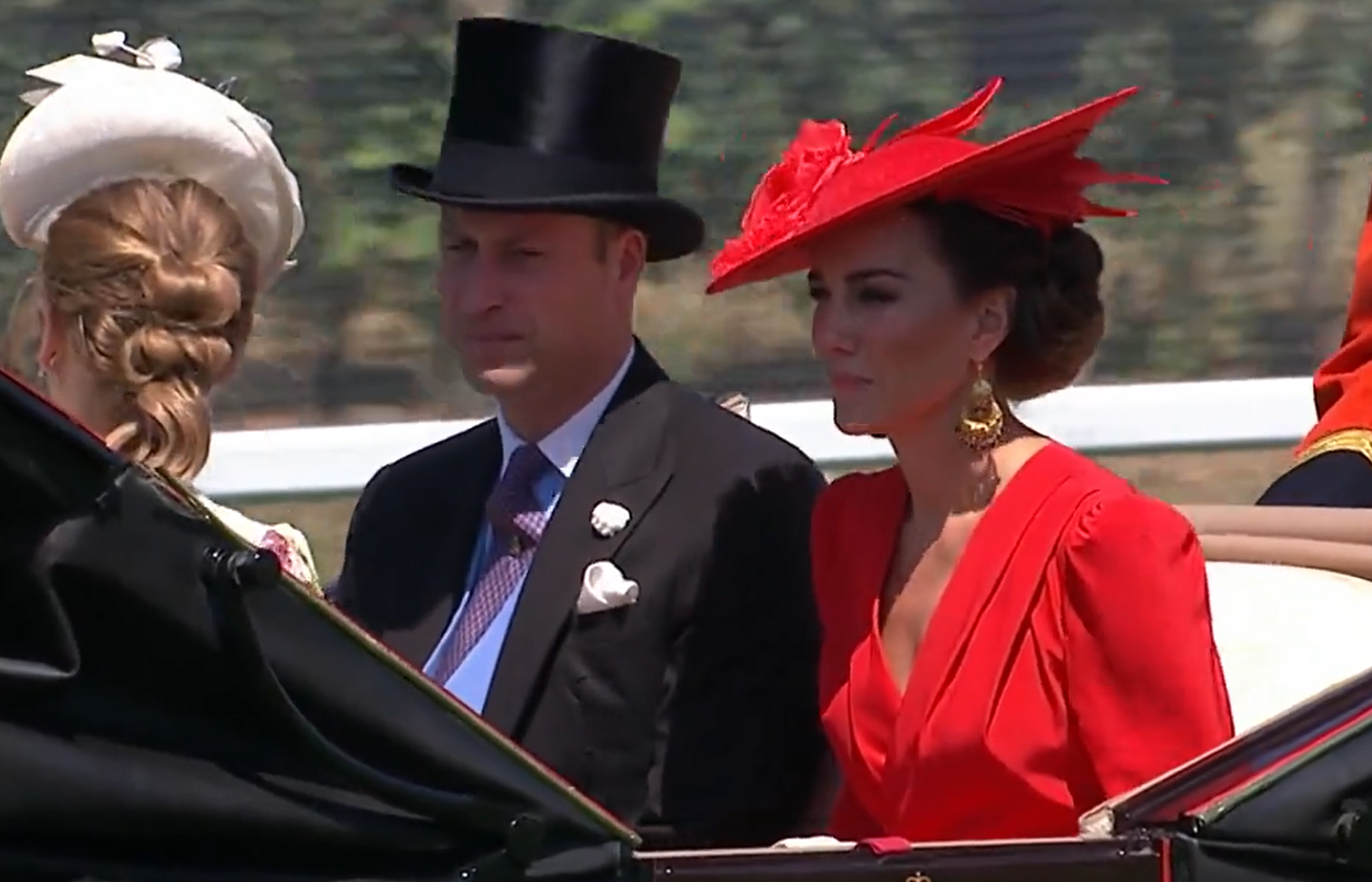
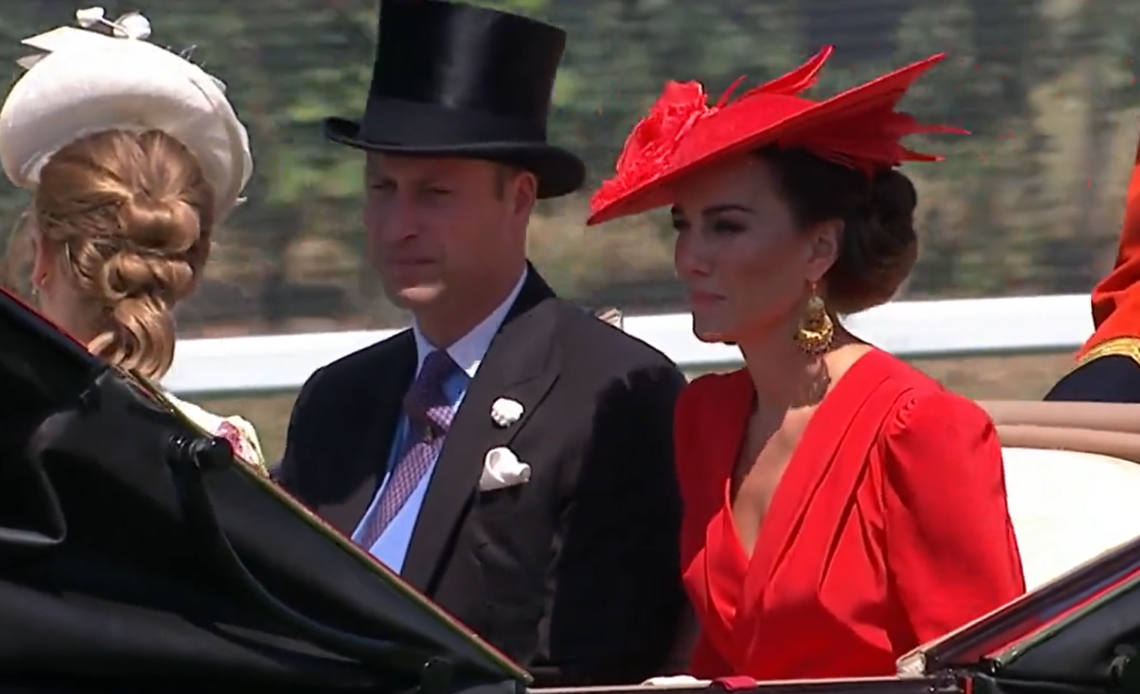
The introduction of a designated colour is likely to influence the fashion choices of these prominent figures. While the traditional royal wardrobe at Ascot often leans towards softer tones, the Princess of Wales has previously demonstrated a willingness to embrace vibrant colours. In 2023, Catherine, Princess of Wales, made a notable fashion statement at Ascot, opting for a vivid red Alexander McQueen dress complemented by a Philip Treacy hat. This choice pre-empted the current trend, showcasing her keen eye for fashion and her ability to set sartorial precedents.
Looking back, other royal women have also experimented with red. Queen Mary of Denmark, during her visit to Royal Ascot in 2016, chose a striking red ensemble paired with a white hat, a nod to her country’s national colours. Princess Eugenie, in 2017, also embraced a bright red dress, accessorised with a grey hat adorned with scarlet flowers. These instances suggest that while red may not have been a ubiquitous choice for royal women at Ascot in the past, it has certainly been a favoured shade for making a confident and memorable impression.
The Royal Ascot Handbook and Fashion Direction
The announcement of the Colour of the Season is intrinsically linked to the launch of the 2026 Royal Ascot Handbook: The Art of Dressing Well. Presented in partnership with Beyond Developments Dubai, this is the third annual guide produced by Creative Director Daniel Fletcher, who is tasked with shaping the event’s fashion narrative.
Daniel Fletcher articulated the rationale behind selecting Bright Tomato, stating, "For 2026, we’re seeing a distinct shift towards confident, expressive colour with Bright Tomato set to take centre stage as a defining shade in occasionwear, bringing a bold new direction for the Royal Ascot palette. That bright orangey-red of a ripe tomato creates an instant feeling of summer joy." His statement highlights a broader cultural trend towards more expressive and celebratory fashion choices, which Royal Ascot is now embracing.
Tom Johnson, Commercial Director at Ascot, echoed this sentiment, emphasizing the handbook’s role in reflecting the evolving tastes of their audience. "This year’s fashion campaign reflects the evolving style of our audience while celebrating the much-loved ritual of dressing up – something that remains central to the spirit and identity of Royal Ascot," he remarked. This indicates a strategic effort to maintain the event’s traditional elegance while adapting to contemporary fashion sensibilities.
A History of Ascot’s Fashion Evolution
Royal Ascot has long been a benchmark for sartorial excellence, with its dress code evolving over the decades to reflect changing social norms and fashion trends. Established in 1711 by Queen Anne, the event quickly became a showcase for the aristocracy, where fashion was as important as the racing itself. The strict dress codes, particularly for the Royal Enclosure, were implemented to maintain an atmosphere of decorum and sophistication.
Historically, the emphasis has been on traditional attire. For women, this meant elegant dresses, skirts, and sophisticated hats. The introduction of specific rules, such as skirt lengths and strap widths, aimed to ensure a certain standard of dress. The Royal Enclosure’s guidelines, for instance, mandate skirts or dresses falling just above the knee or longer, with shoulder straps of at least one inch wide. Trouser suits and jumpsuits are also permitted, reflecting a modern adaptation to women’s wear.
The choice of a specific colour, however, is a novel approach. It moves beyond general guidelines to offer a more prescriptive, yet celebratory, directive. This aligns with a growing trend in fashion events and festivals to establish thematic colour palettes or designated colours for attendees to embrace. The potential impact of this initiative is significant, not only for individual racegoers but also for fashion brands and designers who can tailor their collections to meet the anticipated demand for tomato red attire.
Economic and Social Implications of the Colour Choice
The designation of a "Colour of the Season" for Royal Ascot carries potential economic implications. Fashion retailers and designers will likely see an increased demand for clothing and accessories in shades of tomato red. This could stimulate sales in the lead-up to the event and provide a valuable marketing opportunity for brands that align themselves with this prominent fashion trend. Beyond the immediate sales boost, it could also influence broader fashion trends in occasion wear throughout the summer season.
Socially, the initiative aims to foster a sense of community and shared experience among racegoers. By providing a common stylistic element, Royal Ascot encourages attendees to participate in a collective visual expression, enhancing the overall atmosphere of the event. This communal aspect can strengthen the sense of belonging and participation, making the experience more engaging for all. Furthermore, it offers a light-hearted yet impactful way for attendees to contribute to the iconic visual tapestry of Royal Ascot.

The Broader Context of Royal Ascot
Royal Ascot is more than just a horse racing event; it is a significant cultural institution steeped in tradition and royal patronage. The five-day meeting attracts over 300,000 spectators annually and is renowned for its high-calibre racing, which features some of the world’s finest horses, jockeys, and trainers. The prize money on offer is substantial, making it a crucial fixture in the international racing calendar.
The event’s association with the Royal Family elevates its profile, drawing global attention and reinforcing its status as a premier social occasion. The carriage processions, a daily feature, offer a glimpse into the grandeur and formality associated with royal events, with members of the Royal Family travelling from Windsor Castle to the racecourse. This ceremonial element adds to the unique allure of Royal Ascot, blending sport, fashion, and tradition in a spectacular display.
The introduction of a Colour of the Season, while a relatively minor adjustment in the grand scheme of the event’s long history, signifies a forward-thinking approach. It demonstrates an understanding of contemporary engagement and the desire for interactive elements that resonate with a modern audience. This initiative has the potential to further solidify Royal Ascot’s position as not only a pinnacle of equestrian sport but also a celebrated platform for fashion and social expression, all while staying true to its regal heritage.
The upcoming Royal Ascot, scheduled to run from June 16th to June 20th, will undoubtedly showcase the impact of this new fashion directive. As the Royal Family and thousands of racegoers descend upon Ascot, the vibrant splash of tomato red is expected to be a prominent and defining feature, adding a new chapter to the event’s rich sartorial legacy.