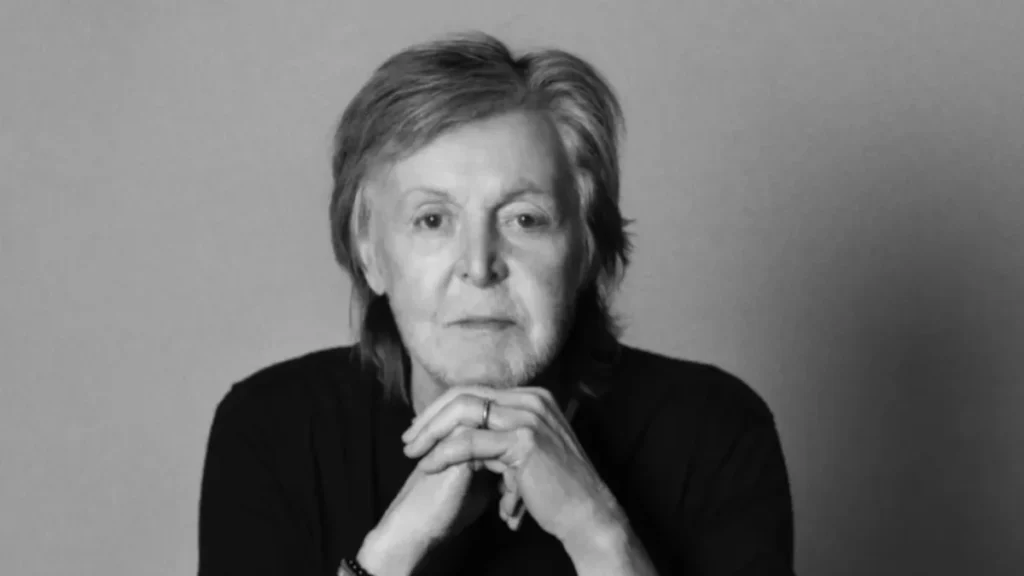

The global music landscape has officially recognized a new financial milestone for one of its most enduring icons. According to the latest data released by Forbes in their "The Billie" newsletter, Sir Paul McCartney has reached a net worth of $1.4 billion, solidifying his status as the third wealthiest musician in the world. This achievement places the 84-year-old Beatle in an elite tier of high-net-worth individuals, trailing only hip-hop mogul Jay-Z, who holds a net worth of $2.8 billion, and global pop phenomenon Taylor Swift, who commands a $2 billion valuation.
A Legacy Built on Royalties and Rights Management
While McCartney’s fame was built on the foundation of The Beatles—arguably the most influential musical group in history—his current financial stature is the result of a meticulously managed portfolio that spans decades of strategic business decisions. Forbes estimates that McCartney’s individual share of The Beatles’ music catalog is valued at approximately $350 million. However, the true engine of his wealth lies within his private holding company, MPL Communications.
Founded by McCartney in 1971, MPL Communications has become one of the world’s most successful independent music publishing entities. Beyond managing his own prolific solo career, the company controls the rights to a staggering array of intellectual property. This includes the catalog of Buddy Holly, which alone is a significant revenue generator, and the rights to the musical Grease. Furthermore, MPL manages a vast library of holiday standards that provide consistent, cyclical income. Songs such as "It’s Beginning To Look a Lot Like Christmas" and "The Christmas Song (Chestnuts Roasting On An Open Fire)" remain staples of global radio play, ensuring that McCartney’s influence—and revenue—extends well beyond his own discography. Financial analysts estimate the value of these non-Beatles music rights to be at least $250 million.
Beyond the Recording Studio: Real Estate and Fine Art
McCartney’s billionaire status is not solely dependent on the fluctuating nature of the music industry. His long-term investment strategy has focused heavily on tangible assets, specifically high-end real estate and blue-chip fine art. Over the past five decades, he has acquired a sprawling property portfolio that includes significant holdings in the United Kingdom and luxury estates in the Hamptons. These properties have seen substantial appreciation, serving as a hedge against market volatility and contributing hundreds of millions to his overall net worth.
Parallel to his real estate ventures, McCartney has cultivated an impressive art collection. Industry experts have noted his acquisitions of works by masters such as Pablo Picasso and René Magritte. These assets, which are rarely liquidated, function as long-term wealth preservation tools, further cementing his position in the top echelon of the world’s wealthiest musicians.
Chronology of a Career: From Liverpool to the Billion-Dollar Club
To understand how McCartney reached this financial pinnacle, one must look at the timeline of his professional trajectory:
- 1960–1970: The Beatles era. This decade established the foundation of his fame and his initial earnings, though industry practices at the time were notoriously disadvantageous to artists regarding copyright ownership.
- 1971: Founding of MPL Communications. This was a watershed moment for McCartney, as it allowed him to retain control over his publishing and invest in other artists’ catalogs.
- 1970s–1990s: The Wings era and a consistent string of solo albums. During this period, McCartney solidified his reputation as a touring powerhouse.
- 2000s–2020s: Continued global touring and the leveraging of archival projects. McCartney’s ability to sell out stadium tours well into his 80s has provided a consistent cash flow that few artists in history have matched.
- 2026: Official recognition of his $1.4 billion net worth by Forbes.
The Touring Factor and Continued Relevance
Despite his age, McCartney remains a formidable force in live entertainment. His ability to draw massive crowds across generations has kept his touring revenue in the hundreds of millions. In May 2026, he released The Boys of Dungeon Lane, an album that was met with critical interest and served to keep his brand visible in a contemporary market.
The longevity of his career is further evidenced by his upcoming professional commitments. In January 2027, a highly anticipated reunion between McCartney and fellow surviving Beatle Ringo Starr is scheduled, an event that is expected to generate significant media attention and further boost the value of the Beatles brand. While McCartney has not issued a public statement regarding his newfound billionaire status, the move reflects a broader trend of "legacy artists" capitalizing on the enduring value of their catalogs in an era where music streaming and licensing rights are more lucrative than ever.
Market Implications and Future Outlook
The transition of legendary musicians into the billionaire class highlights a shift in how wealth is perceived in the entertainment industry. For decades, artists were primarily compensated through physical record sales and touring. Today, the valuation of music as an "asset class" has changed the game. Private equity firms and institutional investors have been aggressively purchasing song catalogs, but McCartney’s decision to maintain control through MPL Communications has allowed him to reap the full benefits of his portfolio’s appreciation.
Financial analysts note that McCartney’s success serves as a blueprint for modern artists. By diversifying into publishing, real estate, and fine art, he has successfully mitigated the risks associated with a career in the performing arts. Furthermore, the fact that he continues to produce new music suggests that his financial portfolio is likely to continue growing, as new works are added to his existing corporate structure.
Conclusion
Paul McCartney’s ascension to the billionaire ranks is more than a personal financial triumph; it is a testament to the enduring power of his creative output and his shrewd business acumen. From the humble beginnings of a Liverpool band to the boardrooms of international media conglomerates, McCartney has navigated the complexities of the music industry with a singular focus on ownership and legacy. As he continues to perform and produce, his $1.4 billion net worth stands as a benchmark for what is possible when artistic genius is paired with sophisticated asset management.
While he remains behind Jay-Z and Taylor Swift in the rankings, McCartney’s wealth is perhaps the most stable, rooted in a catalog that has proven its resilience over nearly 65 years. Whether through the perennial popularity of his Christmas song investments or the continued, massive demand for his live performances, Sir Paul McCartney has ensured that his influence—financial and cultural—will continue to resonate for generations to come. The industry will undoubtedly be watching his next moves, both in the recording studio and in the investment market, as he continues to define what it means to be a modern icon of global music.