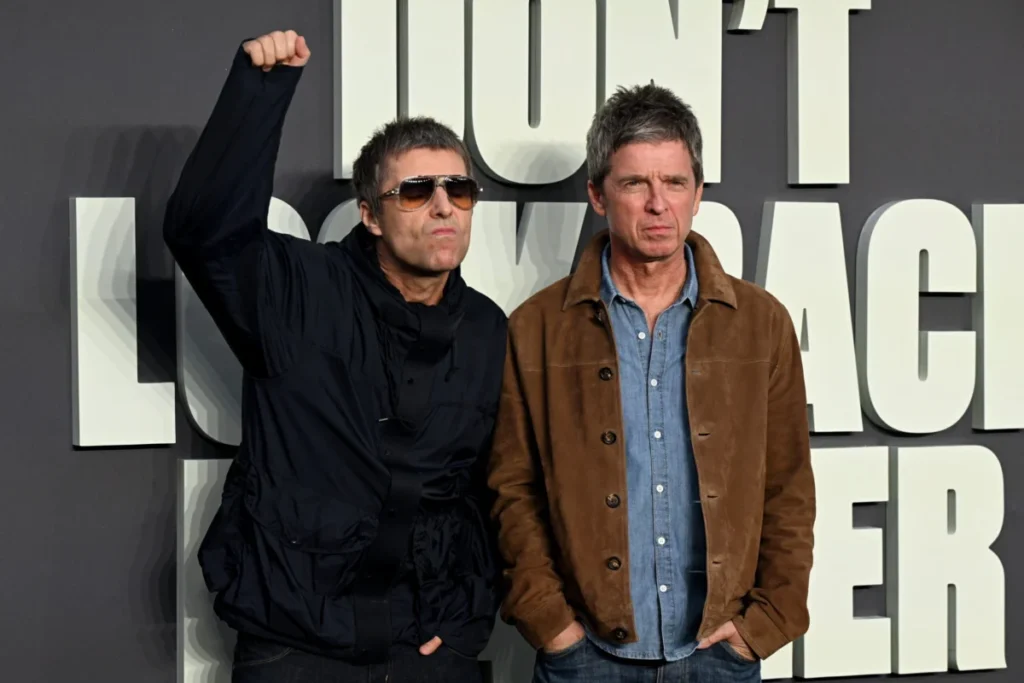

The long-awaited confirmation of the Oasis Live 27 tour has triggered a wave of excitement across the music world, setting the stage for what promises to be one of the most significant cultural events of the decade. Following the tumultuous reception of their 2025 reunion tour, the Gallagher brothers—Liam and Noel—have unveiled a sprawling international itinerary for 2027 that spans major cities across Europe and North America. As millions of fans prepare to navigate the complexities of modern digital ticketing, the band has implemented a series of rigorous measures intended to prioritize genuine supporters over automated bots and predatory secondary market resellers.
A Global Itinerary for the 2027 Reunion
The Oasis Live 27 tour represents a substantial expansion in scope compared to previous outings, reflecting the band’s enduring status as a global powerhouse of Britpop. The confirmed dates include stops in Glasgow, Manchester, Munich, Barcelona, Amsterdam, Paris, and Rome, alongside high-profile North American engagements in Boston and Las Vegas. Furthermore, the tour will see a return to iconic venues such as Slane Castle and Knebworth, locations deeply entrenched in the mythology of the band’s 1990s peak. This selection of venues suggests a deliberate effort to blend nostalgia with a modern, high-capacity stadium experience, catering to a multi-generational audience that stretches from original 1994 devotees to younger listeners who discovered the band through streaming platforms.
The Lessons of 2025: Addressing Dynamic Pricing
The current excitement is tempered by the collective memory of the 2025 Live ’25 tour, which served as a watershed moment for the debate surrounding ticket industry ethics. During the 2024 ticket release for the 2025 dates, over 10 million people from 158 countries attempted to secure tickets, with only 1.4 to 2.2 million units available. The resulting demand led to the implementation of "dynamic pricing," a controversial mechanism that allowed ticket costs to escalate in real-time as demand surged. Fans reported seeing standard tickets jump from £148 to £355 within minutes, a practice that drew widespread criticism from consumer rights groups, government officials, and the public.
In direct response to this backlash, the Oasis management team has announced a shift in policy for the 2027 tour. Standard ticket prices have been fixed in a range between £71.50 and £266.60, inclusive of all fees. Critically, the band has confirmed that dynamic pricing will not be utilized for these sales. Furthermore, Ticketmaster will provide real-time updates to users within the queue, alerting them when specific price tiers have sold out to prevent frustration and ensure transparency during the purchasing process.

Registration and the Mechanism of Sale
To manage the extreme volume of traffic expected on ticketing platforms, the band has instituted a mandatory pre-registration system. This process is the sole public pathway to securing tickets and is open until 4:00 PM BST on September 17. By requiring fans to register their interest, the organizers aim to filter out automated bot networks and scalp-oriented entities.
However, registration does not constitute a guaranteed ticket purchase. Once the registration window closes, a random selection process will determine which users receive a unique access code. This approach, while potentially frustrating for those who miss out, is designed to reduce the server strain that characterized the 2025 sales, where millions of simultaneous requests crashed systems and locked out legitimate purchasers. Interested parties are encouraged to visit the official band website, www.oasisinet.com, to finalize their registration and review the specific terms and conditions governing the 2027 tour sales.
Strategic Preparations for Ticket Day
Industry experts and the band’s management have issued comprehensive guidance for fans aiming to successfully navigate the high-stakes digital queue. Because the sale is expected to be hyper-competitive, preparation is essential.
- Account Readiness: A Ticketmaster account is mandatory. It is recommended that users verify their accounts, update payment information, and ensure their contact details—including phone numbers—are current before the sale commences.
- Technical Hygiene: Security experts advise users to avoid utilizing Virtual Private Networks (VPNs) during the transaction, as these can trigger anti-bot security protocols that may inadvertently block a legitimate user. Clearing browser caches and ensuring devices are fully charged are also critical steps.
- Single Window Policy: While it may seem counterintuitive, maintaining multiple browser tabs for the same account is counterproductive. Ticketmaster’s infrastructure is optimized to recognize a single session per user; attempting to use multiple tabs often results in session errors, which can cause the user to lose their place in the queue.
- App vs. Browser: Many users report a smoother experience using the dedicated mobile application rather than a web browser. Engaging both the app and a single browser window on different devices is widely considered the most effective strategy for increasing the likelihood of success.
The Cultural and Economic Impact
The return of Oasis is not merely a series of concerts; it is a major economic event for the hospitality and tourism sectors in the host cities. When Oasis performs, local economies typically see a significant uptick in hotel bookings, transport usage, and dining revenue. The decision to play at venues like Knebworth, which holds significant historical weight for the band, underscores the intent to create "destination" experiences rather than simple performances.
From a sociological perspective, the intense demand for tickets reflects a broader trend in the music industry where legacy acts are increasingly capable of outperforming modern pop stars in terms of stadium attendance. The "reunion" phenomenon has become a lucrative sector of the live music industry, but it also places a heavy burden on the relationship between artists and their fanbases. By taking a firm stance against dynamic pricing, the Gallagher brothers are attempting to repair this relationship and restore the perception of the band as being "for the people."

Industry Scrutiny and Future Precedent
The decision to abandon dynamic pricing for the 2027 tour will be closely monitored by both the music industry and regulatory bodies. In the wake of the 2025 chaos, various government agencies expressed interest in investigating the transparency of ticketing algorithms. By voluntarily opting out of these mechanisms, Oasis is setting a potential precedent that other legacy artists may be pressured to follow. If the 2027 tour proceeds with stable, predictable pricing, it may provide the necessary data to argue that dynamic pricing is not a required component of a successful, large-scale stadium tour.
As the September 17 registration deadline approaches, the music world waits to see if these measures will successfully mitigate the "scramble" that has become synonymous with high-profile concert tickets. For now, the focus remains on the logistical preparation of the fans. Whether or not every supporter secures a seat, the Oasis Live 27 tour has already succeeded in dominating the public discourse, proving that even decades after their formation, the band remains a gravitational force in global music.
The upcoming tour also serves as a testament to the digital transformation of the concert-going experience. Where once fans queued physically outside record stores or box offices, they now engage in a global, high-speed digital competition. The success of this tour will ultimately depend on the balance between high-tech logistics and the band’s ability to maintain a connection with their audience, ensuring that the legacy of Oasis is defined by the music rather than the frustration of the transaction. For millions, the wait continues, but the framework for a more orderly, transparent experience is finally in place.