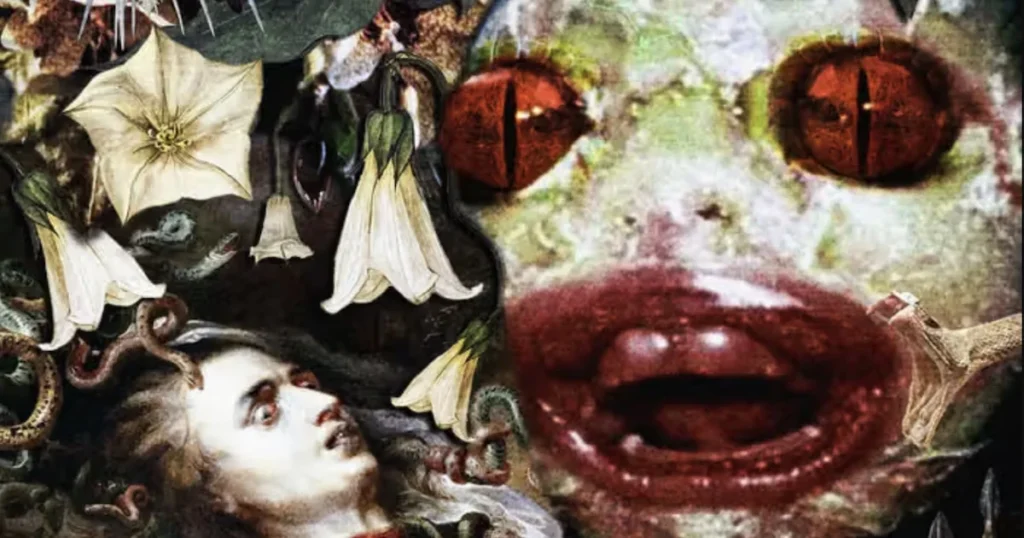

The "Mining Metal" column, a monthly feature from Heavy Consequence contributing writers Langdon Hickman and Colin Dempsey, continues its dedicated exploration of emerging music within the non-mainstream metal scene. This column serves as a vital platform for highlighting noteworthy releases from small and independent labels, as well as showcasing the work of unsigned acts who are often overlooked by broader music publications. The May 2026 installment, spotlighting a diverse array of artists including Darkthrone, Elder, Effluence, Funebrarum, Junon, Trelldom, Tyrranus, and Ysbrydnos, underscores the column’s ongoing commitment to unearthing and contextualizing the cutting edge of heavy music.
The Evolving Landscape of Music Criticism and Discovery
The impetus behind the column’s renewed vigor in delving into the sonic underground stems from a critical re-evaluation of the relationship between mainstream and niche music. In an era characterized by an unprecedented volume of musical releases, music critics frequently encounter "ear fatigue," a phenomenon where constant exposure to new material, particularly within a specific genre, can lead to a desensitization of perception. For critics immersed in the underground metal scene, this can manifest as riffs, scales, and chord motions blurring into a homogeneous soundscape, diminishing the impact of even genuinely innovative material. The avant-garde elements, initially designed to shock and provoke, risk losing their transgressive power when encountered relentlessly.
This challenge is not unique to metal criticism but is a pervasive issue across all genres, exacerbated by digital distribution platforms that allow for an exponential increase in new content. Data from industry reports consistently shows that tens of thousands of new tracks are uploaded to streaming services daily, creating a vast ocean of music that demands effective curation and critical guidance. Without a periodic recalibration of perspective, even the most seasoned critic can find their appreciation for novelty dulled.
Re-establishing a Baseline: The Value of Mainstream Engagement
For the Heavy Consequence columnists, a temporary shift towards covering more mainstream musical material provided this essential recalibration. Engaging seriously and respectfully with mainstream releases—those defined by conventional production standards, established songwriting structures, and widely accepted sonic aesthetics—served as a "cold plunge" for their critical faculties. This immersion in popular music allowed for a renewed understanding of what constitutes "normal" within the contemporary music industry. Such a baseline is crucial for critical analysis, as it provides a framework against which the deviations and innovations of the underground can be more accurately measured and appreciated.
Understanding the motivations behind mainstream artistic decisions, whether they pertain to production clarity, melodic accessibility, or lyrical themes, offers valuable insight into the broader musical ecosystem. This process is not about preferring one form over another but about recognizing the distinct artistic and commercial objectives that shape different segments of the music world. By re-establishing this comparative framework, the often-deliberately unconventional nature of underground music regains its "perverse thrill."
Perversity as an Artistic Imperative
The concept of "perversity" in art, as articulated within the column’s introductory remarks, is critical to understanding the essence of transgressive and avant-garde movements. It is not confined to a sexual connotation but rather describes a broader impulse to move against expectation, sometimes violently, with "great and reckless wildness and spirit." This artistic defiance is a foundational element that has historically generated entire genres, including rock and roll, punk, heavy metal, blues, jazz, and hip-hop, alongside the perpetual experimental edge of electronic music.
Each of these genres, upon its emergence, was often considered "unlistenable provocateurism" by the established cultural gatekeepers of its time. The raw energy of early rock, the confrontational stance of punk, the aggressive sonorities of heavy metal, the improvisational freedom of jazz, and the rhythmic innovations of hip-hop all challenged prevailing aesthetic norms. What was once deemed shocking or abrasive frequently becomes integrated into the mainstream over time. A prime example is the pervasive use of industrial tonalities—once the hallmark of a niche, experimental genre—which are now routinely found in contemporary pop, hip-hop, and rock productions, demonstrating the cyclical nature of artistic transgression and assimilation.
The Dialectic of Taste: Conservative vs. Adventurous Listening
This dynamic highlights a fundamental divergence in musical taste: the conservative versus the adventurous. A conservative taste primarily seeks comfort, gravitating towards sounds and modes that are already familiar and pleasing. This preference often reflects a desire for predictability and reinforcement of existing aesthetic frameworks. Such listeners find satisfaction in refinement and variation within established paradigms.
Conversely, an adventurous taste actively seeks out the unknown, pursuing the strange not merely for novelty’s sake but also to explore the potential for these rarities to become normalized. This inclination is driven by a curiosity for what lies beyond current boundaries, a desire to witness and potentially champion new aesthetic frontiers. This adventurous spirit often extends beyond musical preferences, influencing broader social and political perspectives, advocating for the acceptance and integration of unconventional ideas.
The ideal approach, as suggested by the columnists, lies in the synthesis of both perspectives. An exclusive adherence to comfort listening risks stagnating artistic appreciation, blocking out any new developments that might enrich one’s experience. Conversely, a pure subscription to the avant-garde can lead to a superficial pursuit of novelty, abandoning genuinely good ideas in favor of whatever is currently most shocking or unconventional. A balanced approach allows for both a deep appreciation of established masterpieces and an open-minded engagement with the cutting edge, fostering a richer, more comprehensive musical journey.
The Avant-Garde as Artistic Innovators: "Paintmakers" of Sound
Art, across time and culture, functions as a pan-generational, pan-cultural project of humanity, continuously exploring how aesthetic, emotion, memory, and experience can merge and become one. Within this vast project, the avant-garde play a crucial role as the "paintmakers" of sound. They are the experimentalists who mix new colors—new sonic textures, compositional approaches, and thematic explorations. Some of these "colors" may prove to be fleeting or "useless" in the broader context, serving only a niche purpose or failing to resonate widely. Others may be "beautiful," offering immediate aesthetic pleasure despite their unconventional nature. Crucially, some are "necessary," perhaps only for a single, groundbreaking "painting" or a specific historical moment, yet fundamentally altering the artistic landscape and expanding the available palette for future generations.
This metaphor underscores the indispensable contribution of the avant-garde to artistic evolution. Their experiments, even those that do not achieve mainstream success, provide the raw material and conceptual frameworks that can eventually be refined, adapted, and integrated into more widely accepted forms. Without the constant pushing of boundaries by the avant-garde, mainstream music would inevitably become stagnant, lacking the fresh ideas and challenging perspectives required for continued vitality.
The Ecosystem of Independent Metal and the Role of "Mining Metal"
The "Mining Metal" column, by focusing on independent and unsigned acts, plays a critical role in this ecosystem. Independent labels are often the primary incubators for avant-garde and transgressive music. Unlike major labels, which are typically driven by commercial imperatives and require artists to achieve broad market appeal, independent labels can afford to take risks on niche genres, experimental sounds, and artists with smaller, dedicated followings. This environment fosters a diversity of artistic expression that is essential for the health of the entire music industry.
Bands like Darkthrone, a legendary figure in black metal known for their uncompromising evolution, or Elder, who have pushed the boundaries of psychedelic doom, exemplify the kind of artists that thrive outside the commercial mainstream. Effluence, Funebrarum, Junon, Trelldom, Tyrranus, and Ysbrydnos, though representing various subgenres and levels of recognition within the metal underground, collectively demonstrate the vibrant, diverse, and often challenging sonic landscape that the column seeks to illuminate. These artists often rely on dedicated fanbases, word-of-mouth, and specialized media outlets like Heavy Consequence to reach their audience.
The challenges for independent artists in the current digital landscape are significant. While streaming platforms offer unparalleled distribution reach, they also present difficulties in terms of fair compensation and discoverability amidst the deluge of content. This makes the curated guidance of columns like "Mining Metal" even more vital. By providing critical analysis and visibility, the column acts as a filter, helping listeners navigate the vast underground and connect with artists who genuinely push creative boundaries. It legitimizes niche genres and ensures that innovative voices receive the attention they deserve, contributing to the financial and creative sustainability of the independent music scene.
Broader Implications for Music Consumption and Critical Discourse
The work of "Mining Metal" carries broader implications for music consumption and critical discourse. In an age where algorithms often dictate discovery, human curation, especially from experienced critics, remains invaluable. It encourages listeners to move beyond their algorithmic comfort zones, fostering a more adventurous and informed listening habit. This, in turn, can lead to a deeper appreciation for music as an art form, recognizing its capacity to challenge, provoke, and expand one’s worldview, rather than merely serving as background entertainment.
Furthermore, the column contributes to the ongoing evolution of music criticism itself. By openly discussing the challenges of critical fatigue and the necessity of perspective shifts, it provides a transparent look into the critical process. This self-awareness strengthens the credibility of music journalism, demonstrating that critics are not merely arbiters of taste but active participants in the ongoing dialogue about music’s meaning and impact.
In conclusion, the "Mining Metal" column represents more than just a monthly roundup of underground metal releases. It embodies a philosophical approach to music criticism that values both the foundational stability of the mainstream and the disruptive innovation of the avant-garde. By consistently spotlighting acts like Darkthrone, Elder, and others, Langdon Hickman and Colin Dempsey continue to champion the vital role of the underground in shaping the future of music, reminding us that true artistic progress often emerges from the fringes, challenging our expectations and continually enriching the global sonic tapestry.