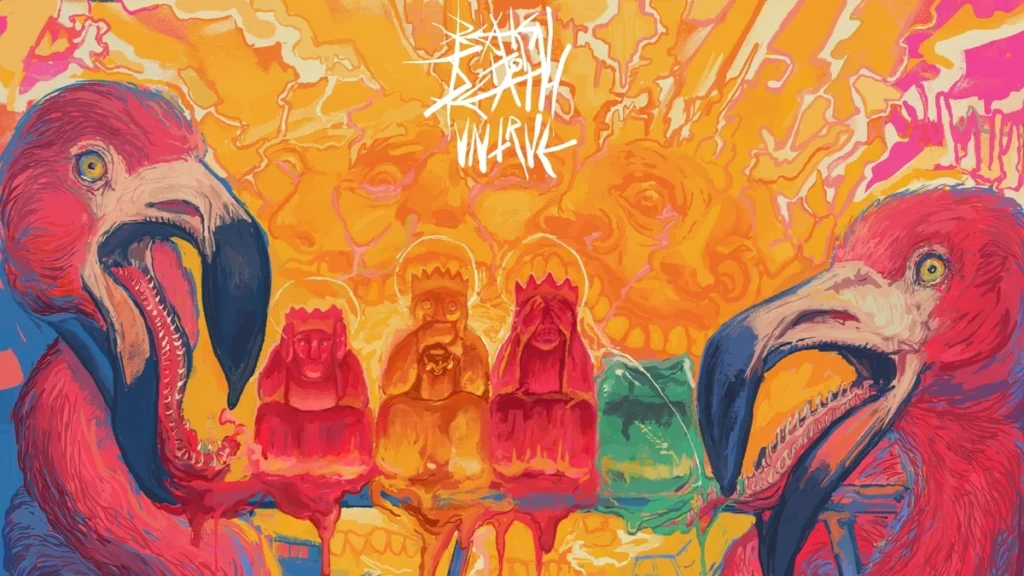

The underground metal landscape remains a dynamic, self-sustaining ecosystem characterized by its resistance to commercial homogenization and its reliance on independent distribution networks. This month’s survey of the extreme music scene highlights a diverse array of releases from acts such as Aeturna, Beaten to Death, and Boss Keloid, each representing the multifaceted nature of contemporary heavy music. While mainstream music consumption continues to be dictated by algorithmic curation and viral trends, the non-mainstream metal sector—often showcased in industry columns like Mining Metal—thrives on an ethos of artistic autonomy and low-fidelity authenticity.
The Philosophical Underpinnings of Dungeon Synth
While recent critical discourse has frequently focused on the aesthetic and communal components of dungeon synth, there is an increasing necessity to analyze the genre’s structural integrity as a musical movement. Often miscategorized as a subset of ambient music, dungeon synth operates under an inverse logic to the ambient tradition popularized by Brian Eno. Where ambient music is designed to be "as ignorable as it is interesting," functioning as a sonic wallpaper for environmental transition, dungeon synth is inherently prescriptive.
Dungeon synth acts as a cartographic tool for the listener. Whether referencing the ethereal soundscapes pioneered by early projects like Depressive Silence or the complex, orchestral arrangements associated with Faydark-inspired works, the genre provides a defined destination. It demands active engagement rather than passive reception. This distinction is vital for understanding why the genre has gained such traction within the metal community: it provides a structured fantasy space that is resistant to the fleeting, high-velocity consumption habits of the digital streaming era.
Socio-Economic Realities and DIY Production
The development of dungeon synth is inextricably linked to the socio-economic realities of its creators. Much like the black metal movement of the early 1990s, dungeon synth utilizes low-fidelity recording techniques not merely as an aesthetic choice, but as a practical manifestation of limited access to capital.
In an industry where high-end studio production is often gated by financial barriers, the DIY ethos of dungeon synth serves as a "proletariat refuge." By embracing archaic recording methods and analog synthesizers, artists circumvent the need for professional production budgets. This is a critical point of departure from mainstream pop production, where the "ghost in the machine" is typically polished away. In the dungeon synth sphere, the imperfections are intentional markers of the artist’s direct relationship with their craft.
However, the genre is not monolithic. Projects such as Feif, with the release of VII, demonstrate that high-fidelity production and regal, polished arrangements are equally valid within the genre’s taxonomy. Similarly, the arcade-inspired works of Quest Master indicate that dungeon synth can successfully incorporate disparate influences without sacrificing its core identity.
Chronology of Production and Structural Autonomy
A defining characteristic of the contemporary dungeon synth and extreme metal scene is the dominance of the solo project. The absence of formal band structures allows for a unique, unhurried workflow. Analysis of release cycles reveals that many prominent figures—such as Mortiis or Erang—maintain a level of output that would be impossible within a traditional band framework.
- The Solo Model: By operating as individual entities, artists possess the liberty to release material on a monthly basis, compose short-form mood pieces, or build entire discographies around niche thematic interests like retro-gaming or folklore.
- The Absence of Conventional Hooks: Musically, these compositions eschew traditional verse-chorus-verse structures, vocal-centric arrangements, and standard percussion. This deliberate avoidance of commercial tropes renders the genre largely immune to algorithmic categorization.
- The Contextual Requirement: Because these works rely on atmospheric immersion rather than catchy, 30-second hooks, they are often poorly suited for platforms like TikTok or Instagram. The music requires a full-album experience to be effectively understood, reinforcing the genre’s status as a "cult" interest that prioritizes depth over broad reach.
Broader Industry Impact
The resilience of the non-mainstream metal scene serves as a case study for the sustainability of independent music. By refusing to cater to market trends, these artists have created a loyal, if small, audience that values the "dorky" and "unfashionable" aspects of their output.
From an industry perspective, this represents a significant shift away from the "hit-driven" model of the early 2000s. Instead, labels—both small and independent—are finding success by facilitating the distribution of niche products to highly targeted demographics. The "Mining Metal" approach, which seeks to spotlight acts like Comploratio, Dissimulator, and Gudsforladt, highlights how regional scenes and digital subcultures can bridge the gap between amateur creators and a global, albeit decentralized, listener base.
Analysis of the October 2026 Releases
The influx of new music this October underscores the breadth of the current underground. While the atmospheric pull of dungeon synth is strong, it exists alongside the raw, aggressive output of acts like Beaten to Death and the experimental textures of Neuronal Autolysis.
- Aeturna: Represents the intersection of traditional heavy metal tropes and modern technical proficiency.
- Boss Keloid: Continues to push the boundaries of sludge and progressive metal, offering a synthesis of heavy riffs and intricate melodic passages.
- Molocchio: Illustrates the trend toward darker, more claustrophobic soundscapes that align with the season’s thematic shift toward the occult and the macabre.
The Future of Independent Metal
As the industry moves toward 2027, the dichotomy between the mainstream and the underground will likely widen. The mainstream will continue to rely on data-driven production, while the underground—specifically the communities surrounding dungeon synth and independent metal—will remain a space for personal, non-commercial expression.
The implications for independent labels are clear: there is a sustained market for art that refuses to be "cool." By maintaining a patient, anti-volatile approach to composition, these artists are not just reacting to the zeitgeist; they are constructing alternative realities that function independently of current market pressures. Whether through the lens of fantasy-inspired synth or high-velocity extreme metal, the message remains the same: the most significant musical developments are currently occurring far outside the reach of the traditional music business.
This month’s releases, spanning the spectrum from the minimalist to the maximalist, confirm that the underground remains the primary incubator for genuine innovation. By providing a platform for voices that do not require external validation or capitalistic success, the movement ensures that the core of heavy music remains as uncompromising as it was at its inception.