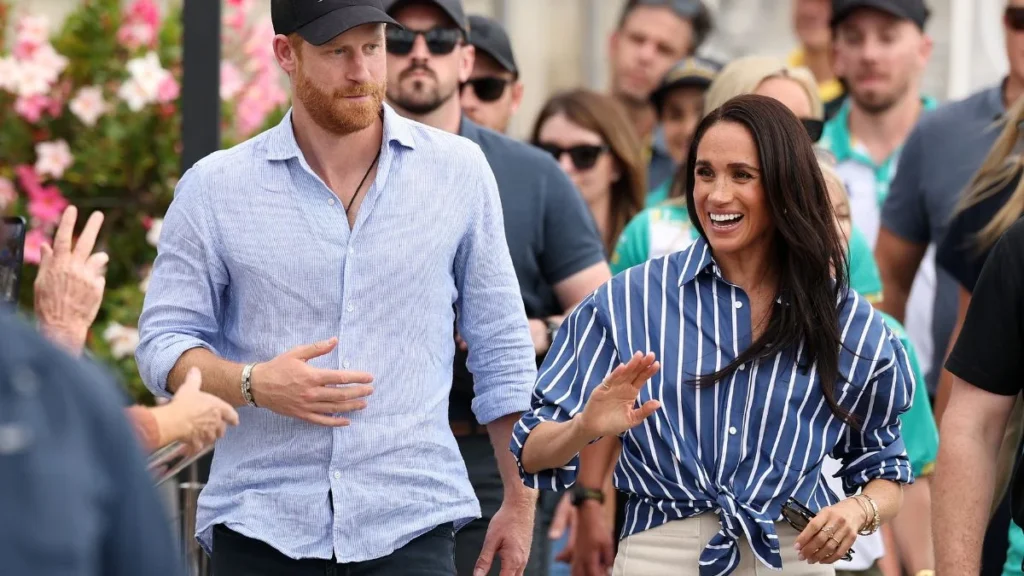

The recent four-day visit to Australia by the Duke and Duchess of Sussex has ignited a wave of public scrutiny, resulting in the emergence of several derogatory nicknames and intense debate regarding the couple’s transition from working royals to private entrepreneurs. While the itinerary included visits to children’s hospitals, cultural museums, and community service centers—hallmarks of traditional royal engagements—the inclusion of high-profile, paid speaking events has led critics to label the excursion a "commercialized" version of a royal tour. This blend of philanthropic visibility and private monetization has reportedly earned the couple labels such as the "Duke and Duchess of the Dollar," "Meghan’s business trip," and the "Great Sussexes’ misery tour," reflecting a growing divide in public perception.
At the heart of the controversy is the perceived dissonance between Prince Harry’s deeply personal messaging regarding his family history and the professional framework in which these stories are shared. According to sources close to the situation, the "commercial aspect" of the trip has overshadowed the couple’s charitable intentions. An industry insider noted that the contrast between Harry’s heavy, personal narratives and the lucrative nature of the platforms hosting them is fueling the current backlash. This tension highlights the ongoing challenge the Sussexes face as they attempt to balance their global advocacy work with the financial requirements of their independent lifestyle in California.
A Chronology of the Four-Day Tour and Key Engagements
The unofficial tour, which spanned several key cities in Australia, was designed to showcase the couple’s ongoing commitment to social causes. The first two days focused largely on traditional outreach, mirroring the structure of official Commonwealth visits. Prince Harry and Meghan Markle were seen interacting with staff and patients at local children’s hospitals and touring museums dedicated to preserving indigenous history. These moments were initially met with positive local coverage, reminiscent of their highly successful 2018 official tour of the region.
However, the tone of the visit shifted significantly during the latter half of the trip. The couple’s participation in the InterEdge Summit in Melbourne and a digital safety forum at the Swinburne University of Technology marked a departure from purely charitable endeavors. These appearances were reportedly linked to "paid" speaking arrangements or corporate partnerships, a move that distinguishes their current status from that of working members of the Royal Family who are prohibited from earning private income through such engagements.
On the third day, Prince Harry took the stage at the InterEdge Summit, where he delivered a keynote address that touched upon his mental health journey and the lasting impact of his mother’s death. During the speech, the Duke of Sussex reflected on his 13th birthday, which occurred shortly after the passing of Princess Diana. He admitted to the audience that for many years, he was resistant to the "job" and the "role" of being a royal, stating that he "stuck his head in the sand" because he associated the institution with the tragedy that befell his mother. He eventually clarified that his perspective changed as he realized the potential of his platform to enact change, but the focus on past grievances led critics to brand the event part of a "misery tour."
Simultaneously, Meghan Markle addressed a crowd at Swinburne University of Technology, focusing on the pervasive issue of online abuse and digital safety. While the Duchess spoke about the importance of building a safer digital world, her decision to use personal anecdotes of her own experiences with cyberbullying drew criticism for being overly "self-centric." Critics argued that by leaning so heavily into personal narratives within a commercialized setting, the couple risked diluting the impact of their advocacy.
The Intersection of Advocacy, Storytelling, and Monetization
The emergence of the nickname "Duke and Duchess of the Dollar" points to a broader concern regarding the Sussexes’ business model. Since stepping back from their roles as senior working royals in 2020, the couple has secured high-value contracts with major media entities, including Netflix and Spotify, and has engaged in various speaking circuits where fees can reach six figures. The Australian tour is seen by some analysts as an extension of this strategy—using the "royal" aesthetic to bolster a private brand.
Supporting data suggests that public opinion on this "royal-lite" approach is polarized. While the couple maintains a significant and loyal fan base, particularly among younger demographics who value their transparency regarding mental health, traditionalists and media commentators in both the United Kingdom and Australia have expressed skepticism. A recent sentiment analysis of social media trends following the tour indicated a sharp rise in discussions surrounding the "monetization of trauma," a term frequently used by the couple’s detractors to describe their public disclosures.
The "Great Sussexes’ misery tour" label specifically targets the couple’s frequent return to the theme of their struggles within the Royal Family. While Prince Harry’s memoir, Spare, and their Netflix documentary series provided a platform for their side of the story, the continued emphasis on these themes during international visits is viewed by some as a missed opportunity to look forward rather than backward. The perception that Harry’s messaging is "heavy and deeply personal" but "sits awkwardly alongside the commercial aspects of the trip" has become a central pillar of the criticism leveled against them.
Official Responses and Inferred Reactions
While the Duke and Duchess of Sussex have not issued a formal rebuttal to the specific nicknames reported by RadarOnline, their representatives have consistently defended their right to pursue financial independence while continuing their philanthropic work. Archewell, the couple’s foundation, often emphasizes that their commercial ventures provide the funding necessary to sustain their charitable initiatives, which do not receive taxpayer support.
In Australia, the reaction from local officials was largely diplomatic, focusing on the positive attention brought to the various organizations the couple visited. However, behind the scenes, some royal commentators suggest that the unofficial nature of the trip caused a degree of logistical and protocol-related confusion. Unlike an official tour, which is coordinated through the Foreign, Commonwealth & Development Office, this trip was a private endeavor, meaning the couple did not have the same level of institutional support—or the same level of institutional oversight.
Buckingham Palace has remained silent on the matter, adhering to its long-standing policy of not commenting on the private activities of non-working members of the Royal Family. Nevertheless, the media’s comparison between the Sussexes’ "commercial" visit and the more traditional, service-oriented tours of the Prince and Princess of Wales continues to highlight the starkly different paths the two brothers have chosen.
Broader Impact and Implications for the Monarchy
The controversy surrounding the Australia tour has broader implications for the future of the British Monarchy and its relationship with the Commonwealth. Australia has a vibrant republican movement, and the presence of the Sussexes—even in an unofficial capacity—reignites debates about the relevance of the Crown in the 21st century. By operating in a space that is neither fully royal nor fully celebrity, Meghan and Harry are redefining what it means to be a modern global figure with royal ties.
The "business trip" criticism suggests that the public may be becoming less receptive to the blending of royal prestige with private enterprise. For the Sussexes, the challenge moving forward will be to refine their public image in a way that minimizes the "commercial" perception while maximizing the "impact" of their advocacy. If the "Duke and Duchess of the Dollar" narrative takes firm root, it could potentially hinder their ability to partner with more traditional NGOs and governmental bodies that may be wary of being associated with a heavily commercialized brand.
Furthermore, the "Great Sussexes’ misery tour" moniker indicates a potential "fatigue" regarding the couple’s personal grievances. Strategic analysts suggest that for the Sussexes to maintain their global influence, they may need to pivot toward more forward-looking, solution-oriented messaging that distances itself from the internal conflicts of the House of Windsor. The Australian tour serves as a case study in the complexities of modern fame, where the line between personal storytelling and professional branding is increasingly blurred.
In conclusion, the unofficial Australia tour has provided a glimpse into the complicated reality of Prince Harry and Meghan Markle’s post-royal life. While they continue to draw massive crowds and bring attention to vital social issues, the "commercial contrast" of their engagements remains a significant point of contention. The brutal nicknames bestowed upon them by critics are a reflection of a public struggle to categorize a couple that remains tethered to one of the world’s oldest institutions while simultaneously navigating the modern world of high-stakes celebrity commerce. As they continue to build their brand, the lessons learned from the Australian backlash will likely inform their strategy for future international engagements.