

The ascent of Sarah Pidgeon from a disciplined stage performer to a central figure in high-profile television drama marks a significant shift in the contemporary Hollywood landscape. At 29, Pidgeon has transitioned from the rigorous demands of a Tony-nominated Broadway run to the intense scrutiny that accompanies portraying one of the most enigmatic figures of the late 20th century: Carolyn Bessette-Kennedy. In an expansive feature for PORTER Magazine, Pidgeon reflects on the psychological weight of this role, the shifting nature of celebrity in the digital age, and the persistent societal pressures placed upon women in the public eye. As the star of the latest installment of the Ryan Murphy-produced anthology series, Love Story, Pidgeon finds herself navigating a career trajectory that mirrors the very themes of visibility and vulnerability explored within the show.
The Challenge of Portraying an Enigma
The core of Pidgeon’s interview focuses on the daunting task of humanizing Carolyn Bessette-Kennedy, a woman who, despite being one of the most photographed individuals of the 1990s, never gave a formal interview or went on the public record. This lack of primary source material presented a unique challenge for Pidgeon, who sought to move beyond the "ice queen" archetype often projected onto Bessette-Kennedy by the tabloid media of the era.
Pidgeon notes that she never reached a point of absolute certainty where she felt she had "captured" the essence of Carolyn. Instead, she describes the process as a continuous exercise in inference and empathy. "I felt a certain onus on understanding Carolyn," Pidgeon told PORTER, emphasizing her commitment to preserving the legacy of a real person. The actor describes a meticulous internal checking process, ensuring every take remained consistent with the psychological profile she had constructed through research and intuition. Because Bessette-Kennedy’s voice remains largely unheard in the historical record, Pidgeon had to interpret her emotions through the lens of her actions and the intense pressure of her environment.
A Career Defined by Rigor and Recognition
Sarah Pidgeon’s casting in Love Story is the culmination of years of professional development and critical acclaim. Her background is rooted in formal training, which laid the foundation for her breakout role in the survival drama The Wilds. However, it was her performance in the Broadway production of Stereophonic—a play detailing the internal frictions of a 1970s rock band—that solidified her reputation as a formidable talent, earning her a Tony Award nomination.
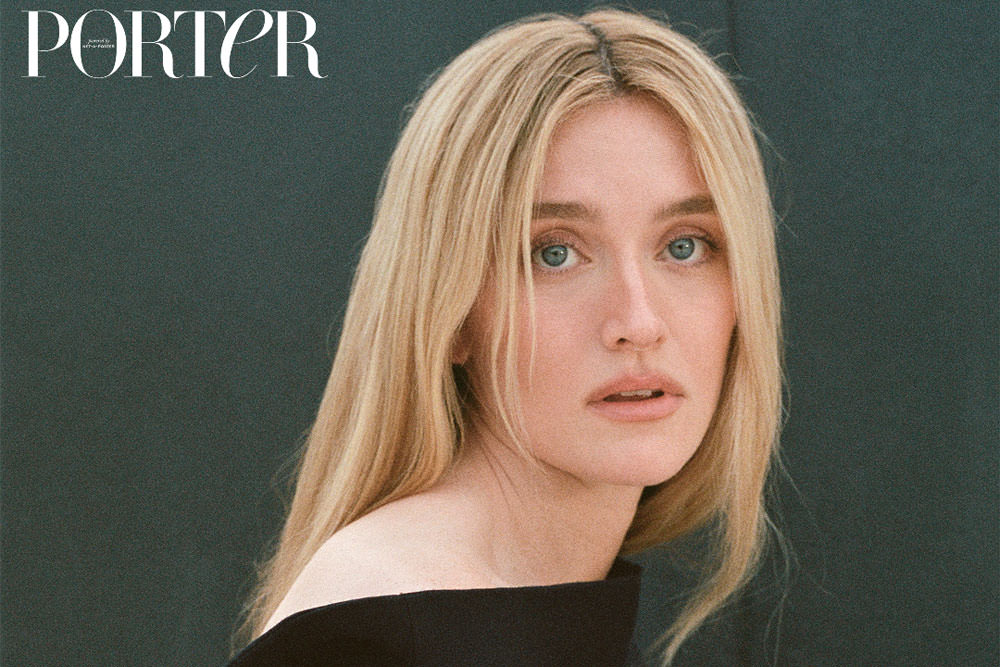
This theatrical pedigree is evident in her approach to Love Story. Unlike actors who rely on imitation, Pidgeon’s method involves a deep dive into the socio-political context of her characters. Her portrayal of Bessette-Kennedy comes at a time when there is a renewed cultural fascination with the 1990s, particularly the "quiet luxury" and minimalist aesthetic that Bessette-Kennedy pioneered during her time as a publicist for Calvin Klein.
Chronology of a Cultural Icon: The Bessette-Kennedy Era
To understand the stakes of Pidgeon’s performance, one must look at the timeline of the real-life events that Love Story dramatizes. The relationship between John F. Kennedy Jr. and Carolyn Bessette was a defining narrative of the 1990s:
- 1992–1994: Carolyn Bessette rises through the ranks at Calvin Klein, eventually becoming a high-level publicist. She meets JFK Jr. during a suit fitting, and their relationship begins shortly thereafter.
- 1995: The couple moves into a loft in TriBeCa, New York City, which immediately becomes a focal point for the burgeoning paparazzi industry.
- 1996: The pair marries in a private ceremony on Cumberland Island, Georgia. The image of them exiting the church becomes one of the most iconic fashion moments of the decade.
- 1997–1999: The couple faces immense marital and public pressure, exacerbated by the constant presence of photographers.
- July 1999: John, Carolyn, and her sister Lauren Bessette perish in a plane crash off the coast of Martha’s Vineyard.
Pidgeon’s performance covers these pivotal years, exploring the transition from a private professional woman to a global icon trapped in a "gilded cage."
The Evolution of Scrutiny: From Paparazzi to Smartphones
A significant portion of the PORTER interview addresses the parallels between the media environment of the 1990s and the modern digital age. Pidgeon recounts the experience of filming on location in New York City, visiting the same landmarks—such as The Odeon and Bubbies—where the real couple were frequently spotted. The presence of onlookers during production served as a visceral reminder of the constant surveillance Bessette-Kennedy endured.
Pidgeon observes that while the technology has changed, the intensity of public interest has only amplified. In the 1990s, the threat to privacy came from professional paparazzi with long-range lenses. Today, as Pidgeon points out, "Everyone has a phone now, so, in a way, everyone can be paparazzi." This democratization of surveillance means that a celebrity’s location can be shared instantly, making it nearly impossible to "hide out" or use back-door exits as stars did in the past.
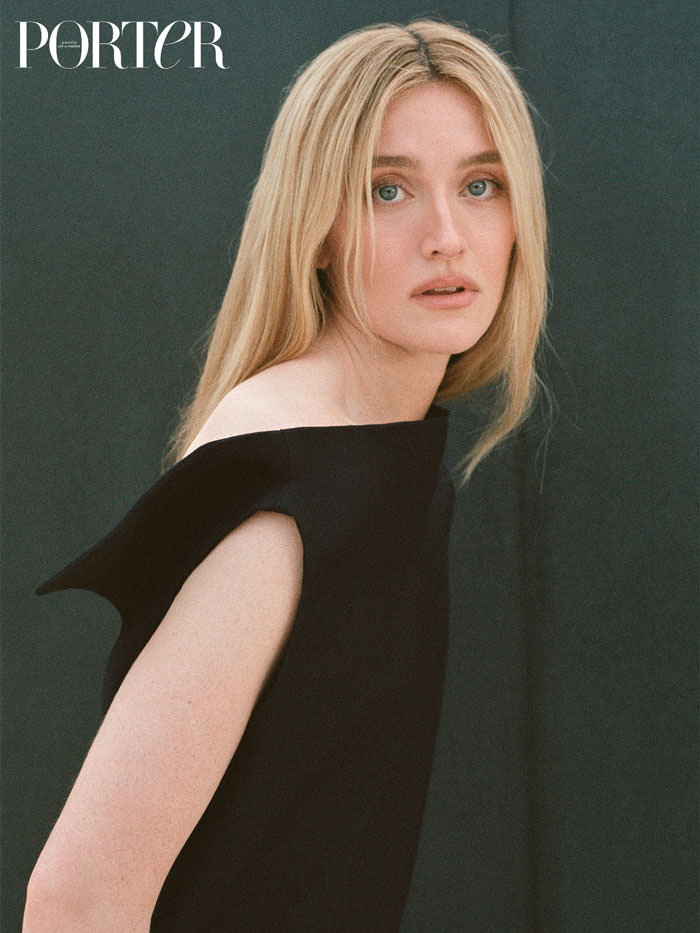
The actor expresses a profound empathy for Bessette-Kennedy’s inability to perform mundane tasks, like walking her dog, without being hounded. This reflection highlights a broader theme in Pidgeon’s work: the cost of visibility and the loss of autonomy that often accompanies fame.
Gendered Expectations and the Public Eye
In a poignant segment of the interview, Pidgeon critiques the double standards applied to women in the public sphere. She argues that the cultural expectations of women are often contradictory and impossible to satisfy. "You can’t be too angry, or else you’re a bitch," Pidgeon states. "You have to keep your cool, but you also can’t be an ice queen. You can’t be too meek, because then you’re weak."
This analysis provides a framework for understanding why Bessette-Kennedy was often portrayed negatively by the press. By refusing to engage with the media, she was labeled as cold or "difficult," a narrative Pidgeon seeks to dismantle through her nuanced performance. Pidgeon’s observation that these critiques are rarely applied to men serves as a sharp reminder of the gendered nature of celebrity gossip and historical record-keeping.
Supporting Data: The "Bessette-Kennedy" Resurgence
Pidgeon’s role in Love Story coincides with a measurable surge in interest regarding Carolyn Bessette-Kennedy’s life and style. Data from fashion search engines and social media platforms indicate a significant trend:
- Search Volume: Google Trends shows a 40% increase in searches for "Carolyn Bessette-Kennedy style" over the last 12 months, driven by the "old money" and "minimalist" fashion movements on TikTok and Instagram.
- Market Impact: Vintage Calvin Klein pieces and items reminiscent of Carolyn’s wardrobe (such as silk slip dresses and oval sunglasses) have seen a price appreciation on resale platforms like The RealReal and Depop.
- Media Consumption: Biographical dramas focusing on the 1990s have consistently performed well for streaming services, with audiences showing a preference for "pre-digital" historical narratives that explore the transition into the modern era.
These trends suggest that Pidgeon’s performance is not just a creative endeavor but a response to a broader cultural longing for the aesthetic and social complexity of the late 20th century.

Broader Implications and Future Outlook
The success of Love Story and the positive reception of Sarah Pidgeon’s performance are likely to have lasting implications for her career and the television industry at large. For Pidgeon, this role establishes her as a "leading lady" capable of carrying a prestige drama with intellectual depth. Her ability to navigate the complexities of a real-life legacy while maintaining a distinct artistic voice positions her for future awards consideration and high-profile projects.
For the industry, the series reinforces the viability of the anthology format for exploring American history through a biographical lens. By focusing on the psychological toll of fame rather than just the sensationalism of the Kennedy family, Love Story sets a new standard for biographical storytelling.
As Pidgeon moves forward, she remains grounded yet aware of the "art folding itself onto her life." She acknowledges that the rapid pace of her career has left her with little time for perspective, yet she embraces the uncertainty of what comes next. Whether returning to the stage or continuing her work in television, Sarah Pidgeon has proven herself to be a meticulous chronicler of the human condition, capable of finding the voice of those who were never allowed to speak for themselves.