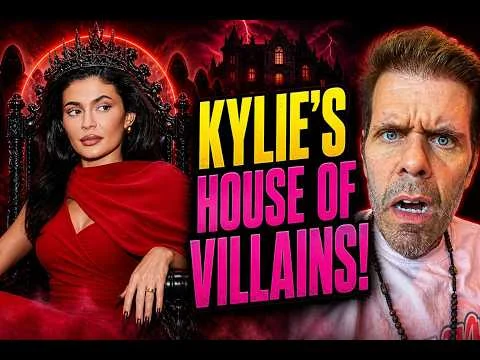

Reports circulating from entertainment news outlets, including Perez Hilton, indicate that Kylie Jenner, the youngest scion of the Kardashian-Jenner empire and a prominent figure in the cosmetics industry, is currently facing a second significant lawsuit from a former housekeeper. This development follows a prior legal challenge of a similar nature, raising serious questions regarding the employment practices within her affluent household. The allegations brought forth in these lawsuits reportedly include claims of wage theft, denial of mandated breaks, and the creation of a hostile work environment, painting a troubling picture for the billionaire entrepreneur. The repeated nature of these legal challenges, coupled with what has been described as a conspicuous silence from Jenner and her representatives, has ignited considerable discussion among legal experts and the public alike, prompting scrutiny of labor standards in high-net-worth domestic employment.
The initial reports, while brief, underscore the gravity of the situation, highlighting that a second individual has come forward with accusations that mirror or expand upon those made in a previous filing. Such litigation can have substantial implications, not only for Jenner’s personal finances but also for her meticulously curated public image and the brands she helms, including Kylie Cosmetics and Kylie Skin. The legal proceedings are expected to delve into the intricacies of domestic employment contracts, working conditions, and adherence to California’s stringent labor laws, which are designed to protect workers from exploitation. As the legal battle unfolds, observers are keenly watching for any official statements or responses from Jenner’s camp, as their current silence is being interpreted by some as a strategic decision, while others view it as a potential misstep in public relations.
Background of Prior Allegations and Legal Landscape
This is not the first instance of Kylie Jenner facing legal action concerning the treatment of her domestic staff. The first lawsuit, details of which surfaced earlier, involved a former housekeeper who similarly alleged egregious labor violations. While the specifics of that initial case have not always been widely publicized, common claims in such lawsuits against high-profile individuals often include allegations of unpaid overtime wages, failure to provide meal and rest breaks as required by law, wrongful termination, and sometimes, unsafe or demeaning working conditions. These cases highlight a recurring vulnerability for domestic workers, who often operate in private, unsupervised environments, making them susceptible to potential exploitation.
California, where Jenner resides and where these lawsuits are presumably filed, has some of the most comprehensive and protective labor laws in the United States, particularly concerning domestic workers. The Domestic Worker Bill of Rights, for instance, extends overtime pay protections to domestic workers who often work long hours in demanding roles. Employers are legally obligated to ensure minimum wage compliance, provide uninterrupted meal periods of at least 30 minutes for shifts exceeding five hours, and offer 10-minute rest breaks for every four hours worked. Violations of these statutes can result in significant financial penalties, including back wages, liquidated damages, and attorney’s fees. The legal framework aims to prevent situations where employees, especially those in vulnerable positions, are overworked and undercompensated.
The challenges faced by domestic workers extend beyond just wage and hour issues. The intimate nature of their work, often within the employer’s private residence, can create power imbalances. They may be hesitant to report abuses for fear of retaliation, loss of employment, or even deportation if they are immigrants. This context makes any allegations of a "horrible boss" particularly resonant, as it speaks to a broader societal issue of ensuring fair treatment for those who often perform essential, yet undervalued, labor.
Chronology of Emerging Legal Challenges
While precise dates are often withheld in early reports of such litigation, a general timeline can be inferred based on the nature of these concurrent lawsuits.
- Pre-2020: The period leading up to the first lawsuit would have involved the employment of the first plaintiff by Kylie Jenner. The duration of this employment and the specific conditions under which the alleged violations occurred would be central to the legal arguments.
- Early 2020s: The first lawsuit was reportedly filed, bringing the initial allegations of labor law violations against Kylie Jenner to public attention. This filing would have initiated the formal legal process, involving discovery, potential mediation, and eventual court proceedings if no settlement is reached. The specific claims from this first plaintiff would have likely included issues pertaining to wages, hours, and working conditions.
- Concurrent Employment: It is plausible that the second plaintiff, the subject of the more recent lawsuit, may have been employed by Jenner concurrently with or shortly after the first plaintiff, indicating a potential ongoing pattern of alleged workplace issues within Jenner’s domestic staff management.
- Mid-2020s (Approx. May 2026 as per source date): The second lawsuit is reportedly filed. This event signifies a significant escalation, transforming isolated claims into a potential pattern of alleged misconduct. The timing suggests that either the first lawsuit did not result in a systemic change in employment practices, or the issues persisted with other staff members. The "damning allegations" in this second suit are likely to parallel or even intensify the claims made previously, drawing increased media and public scrutiny.
- Ongoing Legal Process: Both lawsuits would now proceed through the California court system. This typically involves several stages: filing of the complaint, service of process, preliminary hearings, discovery (where both sides exchange evidence and information), potential motions for summary judgment, and ultimately, either a settlement or a trial. The duration of such cases can span months or even years, especially when involving high-profile defendants.
- Public Reaction and Media Coverage: Each filing has been, and will continue to be, accompanied by a wave of media reports, particularly within the entertainment and celebrity news spheres. The lack of a direct response from Jenner has become a focal point, fueling speculation and amplifying the narrative of alleged employer misconduct.
This chronology underscores a developing legal challenge that moves beyond a single incident, suggesting a more systemic issue that the courts will now be tasked with evaluating.
Specific Allegations of the Second Lawsuit
While the original article provides a concise summary, inferring from common labor disputes involving domestic staff and the "horrible boss" narrative, the second housekeeper’s lawsuit against Kylie Jenner is likely to contain a range of serious allegations. These claims typically focus on core labor protections designed to ensure fair treatment and compensation for employees.
Among the primary accusations, it is highly probable that the plaintiff alleges wage theft. This could manifest in several ways:
- Failure to Pay Minimum Wage: Claims that the employee was paid below the legally mandated minimum wage for all hours worked.
- Unpaid Overtime: Allegations that the housekeeper worked beyond 8 hours in a day or 40 hours in a week, or more than 6 days in a workweek, without receiving the legally required time-and-a-half or double-time overtime rates. Domestic workers in California are entitled to overtime pay.
- "Off-the-Clock" Work: Claims that the housekeeper was required to perform duties before clocking in, after clocking out, or during designated breaks, for which they were not compensated.
Another critical component of such lawsuits often involves the denial of legally mandated breaks. California law is strict regarding meal and rest periods:
- Missed Meal Breaks: Allegations that the housekeeper was not provided a bona fide, uninterrupted 30-minute meal period for shifts longer than five hours, or a second 30-minute meal period for shifts longer than ten hours.
- Missed Rest Breaks: Claims that the employee was denied a paid 10-minute rest period for every four hours worked, or major fraction thereof. For each missed break, employers are often liable for an additional hour of pay at the employee’s regular rate.
Furthermore, the "damning allegations" likely extend to the work environment itself, potentially including:
- Hostile Work Environment: Claims that the working conditions were so difficult, demeaning, or unpleasant that they created an abusive atmosphere. This could involve excessive demands, unreasonable expectations, verbal abuse, or constant criticism.
- Unsafe Working Conditions: While not explicitly stated, some domestic worker lawsuits include claims of being required to perform tasks without adequate safety equipment or training, leading to potential injury.
- Wrongful Termination: If the housekeeper was terminated, the lawsuit might claim wrongful termination, alleging that the dismissal was in retaliation for complaining about labor violations, for exercising their legal rights, or for reasons that violate public policy.
- Lack of Proper Employment Documentation: Allegations could also include the failure to provide proper pay stubs detailing hours worked, rates of pay, and deductions, as well as failure to maintain accurate employment records.
These types of allegations collectively paint a picture of an employer who allegedly disregarded fundamental labor protections, leading to significant personal and financial hardship for the domestic staff. The repeated nature of these claims from separate individuals lends credence to the idea that these are not isolated incidents but potentially indicative of broader systemic issues within Jenner’s household management.
Legal Context and Broader Implications for Domestic Workers
The legal battles Kylie Jenner faces are situated within a significant body of labor law designed to protect domestic workers, a demographic historically underserved by labor protections. In California, the Domestic Worker Bill of Rights (AB 241), enacted in 2013 and made permanent in 2016, specifically extended overtime pay protections to nannies, housekeepers, and caregivers who work in private homes. This legislation was a landmark achievement, recognizing the critical contributions of these workers and addressing the vulnerability inherent in their often-isolated work environments. Prior to this, many domestic workers were excluded from state overtime laws.
Statistics from organizations like the National Domestic Workers Alliance (NDWA) highlight the prevalence of wage theft and poor working conditions in the domestic sector. Studies have shown that a significant percentage of domestic workers earn less than the minimum wage, are denied overtime, or are not provided with legally mandated breaks. For example, a 2012 report found that nearly 25% of domestic workers in the U.S. were paid below the minimum wage, and 70% of live-in workers were not paid overtime. While these figures predate some legislative changes, they underscore the persistent challenges. The average domestic worker in California often earns close to the minimum wage, making any wage theft particularly impactful on their livelihoods. The average hourly wage for housekeepers in California varies but often hovers around $15-$20, emphasizing how crucial every hour and correct pay rate is.
The power dynamic between a high-net-worth employer like Kylie Jenner and a domestic worker is inherently imbalanced. Employers often have significant resources, including legal teams, while employees may lack the financial means or knowledge to challenge violations effectively. This makes it challenging for domestic workers to assert their rights, despite robust legal frameworks. The visibility of a case involving a celebrity can, however, serve a dual purpose: it exposes potential abuses in high-profile settings, and it can also raise awareness among other domestic workers about their rights and the legal avenues available to them.
Historically, the legal system has seen similar high-profile cases. While specific details vary, numerous celebrities and wealthy individuals have faced lawsuits from former household staff alleging similar violations, from unpaid wages to abusive environments. These cases often end in confidential settlements, which can prevent the full details from becoming public but still result in significant financial payouts for the plaintiffs. Such precedents indicate that these allegations, even if vehemently denied, carry substantial legal and financial risks for the defendant. The ongoing litigation against Jenner adds to this growing body of cases, contributing to a broader societal dialogue about equitable labor practices for domestic employees, regardless of the employer’s status.
Reactions, Silence, and Potential Brand Impact
Kylie Jenner’s response, or rather the lack thereof, has become a notable aspect of this unfolding legal drama. The original report specifically questioned whether her "silence is a mistake." From a public relations and legal standpoint, there can be various reasons for a high-profile individual to maintain silence during ongoing litigation. Often, legal counsel advises clients not to comment publicly on active lawsuits to avoid prejudicing the case, inadvertently admitting fault, or providing fodder for the opposing legal team. A "no comment" stance is a common strategy, particularly in cases where the facts are complex or the allegations are severe.
However, in the age of social media and relentless news cycles, silence can also be interpreted negatively by the public. For a personality like Kylie Jenner, whose brand is meticulously crafted around luxury, aspiration, and an image of success, allegations of mistreating employees can be particularly damaging. Her empire, built significantly on her personal brand through Kylie Cosmetics and Kylie Skin, relies heavily on public perception and consumer trust. Allegations of being a "horrible boss" can erode that trust, leading to consumer backlash, boycotts, or a general tarnishing of her image. This is especially true given the broader societal shift towards greater corporate and individual accountability for ethical labor practices.
While no official statements have been made by Kylie Jenner or her direct representatives regarding these specific lawsuits, the broader Kardashian-Jenner family is known for its robust crisis management strategies. Family matriarch Kris Jenner, as well as business manager Lou Taylor (who is mentioned in the original snippet, likely as part of the broader discussion surrounding Jenner’s business dealings), would undoubtedly be involved in navigating this complex situation. However, direct public commentary from family members like Kim, Khloe, Kendall, or Caitlyn Jenner, or from figures associated with Kylie’s personal life such as Travis Scott or Timothee Chalamet (also mentioned in the original context, likely as figures in her orbit), is highly unlikely during active litigation, as their statements could be construed as impacting the legal process.
Legal experts often weigh the pros and cons of public statements. While silence protects the legal strategy, it can allow negative narratives to take root unopposed in the court of public opinion. A carefully worded statement denying the allegations, expressing commitment to fair labor practices, or indicating a willingness to cooperate with the legal process might mitigate some reputational damage. However, choosing to remain silent is a calculated risk, signaling confidence in their legal defense, or an acknowledgment that any statement could be counterproductive. The impact on Jenner’s brand will ultimately depend on the outcome of these lawsuits, the extent of public engagement with the story, and how effectively her team can manage the narrative in the long term.
Broader Impact and Implications
The cumulative effect of a second lawsuit alleging labor violations against Kylie Jenner extends far beyond the immediate legal proceedings. The most direct implication for Jenner herself is the potential financial liability. If found liable, she could be ordered to pay significant sums in back wages, unpaid overtime, liquidated damages, penalties for missed breaks, and potentially attorney’s fees for the plaintiffs. Given the duration of employment and the nature of the allegations, these figures could easily amount to hundreds of thousands or even millions of dollars, depending on the severity and number of violations.
Beyond the financial aspect, the reputational damage is a critical concern. Kylie Jenner’s brand identity is intertwined with luxury, success, and a aspirational lifestyle. Allegations of mistreating domestic staff directly contradict this image, creating a dissonance that consumers and the public may find hard to reconcile. In an era where ethical consumption and corporate social responsibility are increasingly valued, such accusations can lead to a decline in brand loyalty, negative media coverage, and a general erosion of public trust. This could impact sales of Kylie Cosmetics and Kylie Skin products, potentially affecting her valuation and future business ventures. The social media landscape, with its rapid dissemination of information and capacity for viral outrage, amplifies these risks.
Moreover, these lawsuits contribute to a broader conversation about labor rights for domestic workers. When a high-profile individual faces such charges, it shines a spotlight on an often-invisible workforce. It raises public awareness about the vulnerabilities of domestic employees, the importance of adhering to labor laws, and the systemic issues that can lead to exploitation. This heightened awareness can empower other domestic workers to come forward with their own claims, and it can pressure policymakers to further strengthen protections or enforce existing laws more rigorously. The Kardashian-Jenner family, being a cultural phenomenon, often sets trends and influences public discourse; therefore, their legal challenges, particularly concerning labor practices, carry an outsized weight in public perception.
The situation also underscores the challenges of managing large, affluent households. While wealth provides resources, it also brings increased scrutiny and the responsibility to ensure all aspects of personal and business operations comply with legal and ethical standards. The sheer number of staff often employed by celebrities and billionaires necessitates robust human resources practices, clear contracts, and diligent oversight to prevent legal disputes.
Ultimately, the outcomes of these lawsuits will not only determine Kylie Jenner’s liability but will also serve as a test case for how high-profile figures are held accountable for their employment practices. The ongoing legal battle will likely continue to generate media attention, influencing public opinion and potentially setting precedents for how labor disputes involving domestic workers in celebrity households are addressed in the future.
Conclusion
The emergence of a second lawsuit against Kylie Jenner by a former housekeeper, alleging significant labor law violations, marks a critical juncture for the celebrity entrepreneur. These "damning allegations," ranging from wage theft and denial of legally mandated breaks to claims of a hostile work environment, represent a serious challenge to Jenner’s personal and professional standing. Set against the backdrop of California’s robust domestic worker protection laws, the legal proceedings underscore the importance of ethical employment practices, even within the confines of private residences.
While Kylie Jenner and her representatives have maintained a strategic silence, this approach carries inherent risks in the court of public opinion, potentially impacting her carefully cultivated brand image and consumer trust. The repeated nature of these lawsuits suggests a potential systemic issue that the legal system is now tasked with thoroughly examining. As the cases progress, they will not only determine the financial and reputational consequences for Jenner but will also contribute to the broader discourse on labor rights, accountability, and fair treatment for domestic workers in high-profile households. The legal process is underway, and the final outcomes remain pending, but the implications of these challenges are already reverberating across the entertainment, legal, and public spheres.