
The high-stakes intersection of Silicon Valley and the motion picture industry experienced a rare behind-the-scenes collision when Amazon MGM Studios quietly opted to offload Artificial, director Luca Guadagnino’s provocative feature film chronicling the founding of OpenAI and the complex relationship between tech pioneers Sam Altman and Ilya Sutskever. Developed under the Amazon umbrella with a budget hovering around $40 million, the project suddenly found itself without a home despite boasting an A-list creative team, a sharp script by Simon Rich, and commanding lead performances from Andrew Garfield and Yura Borisov.
The film’s journey from a shelved corporate asset to a coveted independent release highlights the growing tensions between traditional Hollywood storytelling and the massive financial footprints of Big Tech. As artificial intelligence continues to dominate global headlines and reshape the geopolitical landscape, Artificial stands as one of the most timely, fiercely debated cinematic properties of the decade, culminating in an unconventional acquisition by independent powerhouse Neon ahead of its festival debut and Christmas Day theatrical rollout.
Chronology of a Corporate Divestment
The timeline of Artificial underscores the rapid shifts in corporate priorities when art intersects with active business alliances. The project originated as a studio development at Amazon MGM Studios, capitalizing on the immense public fascination surrounding the meteoric rise of generative artificial intelligence, OpenAI, and its principal architects. Written by humorist and Saturday Night Live alumnus Simon Rich, the initial screenplay leaned heavily into a darkly comedic tone, contrasting sharply with Guadagnino’s ultimate stylistic vision.

Months before the studio formally decided to pass on distributing the film, Amazon announced a monumental planned investment of $50 billion into OpenAI. This massive financial synergy created an immediate, glaring conflict of interest. Executives at Amazon recognized that releasing an unflinching, critically probing dramatization of the company’s foundational figures—specifically Sam Altman—might complicate ongoing corporate partnerships. Consequently, despite having guided the project through development and production, the studio invoked a strategic retreat, determining that the film would be better served under the stewardship of an outside distributor.
In a covert Century City screening hosted at CAA headquarters at 6:00 a.m. on a June Wednesday, a select group of Neon executives became the first to view the completed picture. Following that initial presentation, the film was made available to a select tier of competitors, including Netflix, Searchlight, and A24. While private reactions skewed remarkably positive, nearly every major studio ultimately passed on the acquisition. Speculation immediately flooded trade publications and industry circles, with insiders questioning whether the high-profile rejection stemmed from perceived artistic shortcomings, an expensive $40 million production price tag, or an overarching corporate reluctance to antagonize Silicon Valley titans through incisive satire and critique.
Neon ultimately secured the distribution rights in a unique, risk-mitigating deal. Eschewing a traditional upfront purchase price, Neon committed to a robust $15 million marketing spend to guarantee the film a wide theatrical release, starting with a high-profile premiere at the New York Film Festival followed by a nationwide rollout on December 25.
Behind the Lens: Analog Craftsmanship and Zero AI
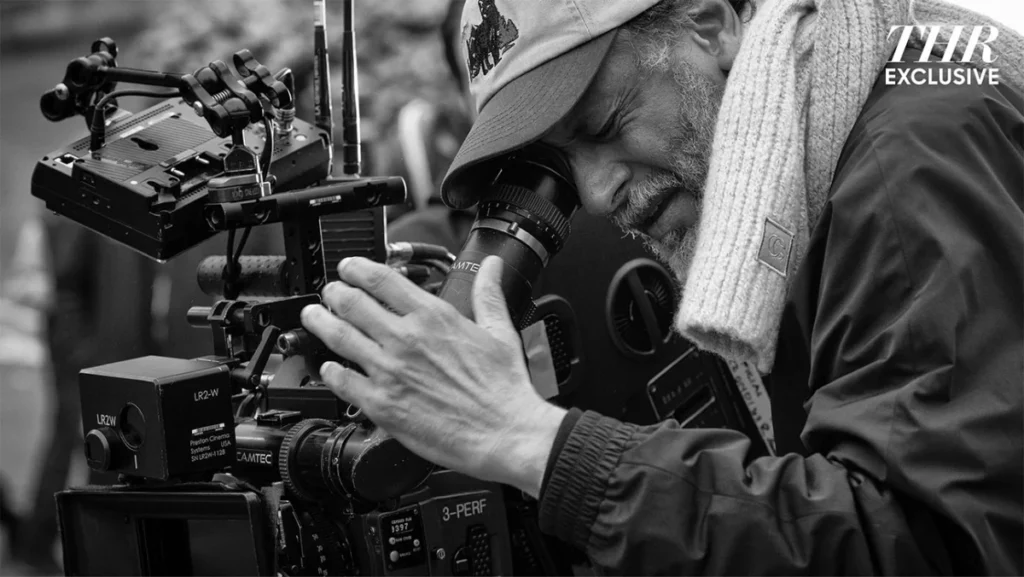
While the subject matter of Artificial explores the exponential acceleration of generative technology, the production itself was executed with a fiercely traditional, analog ethos. Director Luca Guadagnino has consistently maintained a strict policy against the use of artificial intelligence in his filmmaking process. Working alongside director of photography Malik Hassan Sayeed, Guadagnino shot the entire feature on 35mm film, utilizing classical lighting techniques, precise framing, and organic performances rather than digital shortcuts or computer-generated enhancements.

The narrative structure of Artificial divides its focus between the ideological purity of Ilya Sutskever, portrayed with childlike awe by Yura Borisov, and the relentless ambition of Sam Altman, brought to life through a transformative, career-defining performance by Andrew Garfield. According to producer Jennifer Fox—an Oscar nominee known for Michael Clayton—the production underwent rigorous legal vetting to ensure that the dramatized events remained ironclad and defensible. The filmmakers aligned key narrative beats with exhaustive journalistic reporting, including Ronan Farrow’s definitive investigative profile of Altman published in The New Yorker.
Despite tabloid reports alleging production chaos and extensive, expensive reshoots, production documents reviewed by industry analysts confirm that the 34-day shoot concluded squarely on schedule in September 2025. Sources close to the production corroborate that the film adhered strictly to its financial parameters, dismissing rumors of runaway budgets or chaotic studio interference during principal photography.
The Broader Impact: Art Versus Centralized Power
The commercial and artistic fallout surrounding Artificial serves as a case study for the fragile state of independent cinema in an era characterized by media consolidation and the growing influence of technology monopolies. Industry observers note that as traditional Hollywood studios forge deeper financial and infrastructural ties with Silicon Valley conglomerates, the willingness to finance and distribute sharp, critical, or politically sensitive art faces unprecedented institutional headwinds.
Director Luca Guadagnino drew direct parallels between the current creative climate and historical precedents of censorship and corporate nervousness, invoking Orson Welles’ struggles during the production of Citizen Kane. In interviews surrounding the film’s release, Guadagnino emphasized that artistic decisions are increasingly subjected to external corporate pressures that transcend simple creative evaluation, warning that the centralization of economic power poses a direct threat to free expression.

Andrew Garfield echoed these sentiments, framing the release of Artificial not merely as a localized distribution story, but as a broader cultural referendum on the anxieties surrounding technological dependency. By capturing the ideological shifts within the tech sector from the optimistic environment of the Obama administration to the polarized political landscapes of subsequent years, the filmmakers have crafted a work that mirrors the public’s growing apprehension toward unchecked technological expansion.
As Artificial heads toward its theatrical release under Neon’s distribution banner, the film’s unorthodox path to the screen stands as a testament to the resilience of independent distribution. By refusing to let a major corporate cold-feet scenario silence a biting and necessary cultural critique, the creative team has delivered a cinematic experience that directly interrogates the forces shaping the modern world, inviting audiences to evaluate the human cost of the relentless race toward the future.