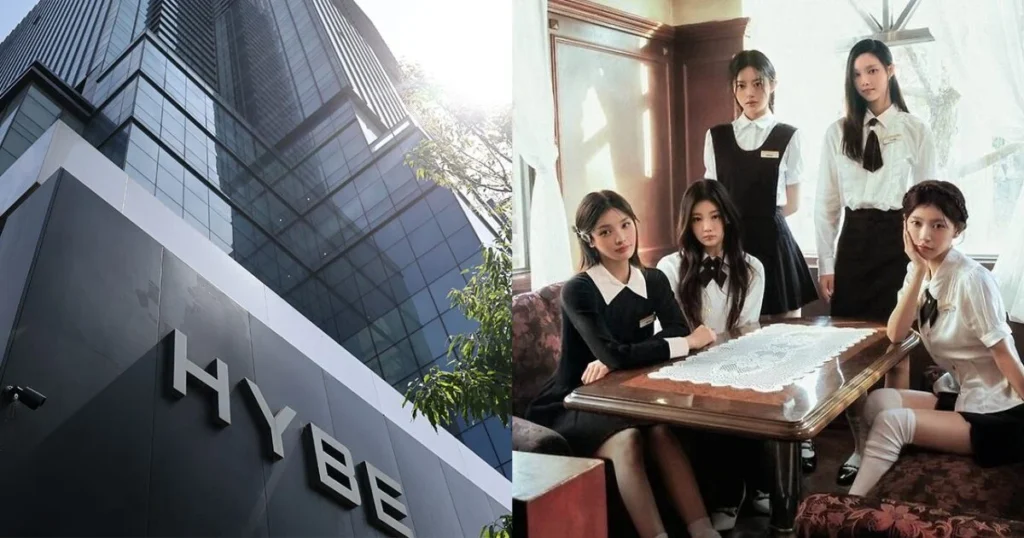

The lawsuit, which sought approximately ₩280 million KRW (roughly $192,000 USD) in damages, was part of a broader legal offensive launched by HYBE in 2024. The conglomerate aimed to suppress what it characterized as a coordinated campaign of "cyber wrecking"—a term used in South Korea to describe content creators who profit from sensationalism, rumors, and malicious commentary. However, the court’s refusal to grant damages marks a rare and stinging defeat for HYBE, a company known for its aggressive "zero-tolerance" policy regarding artist protection.
Origins of the Conflict: Plagiarism and Religious Allegations
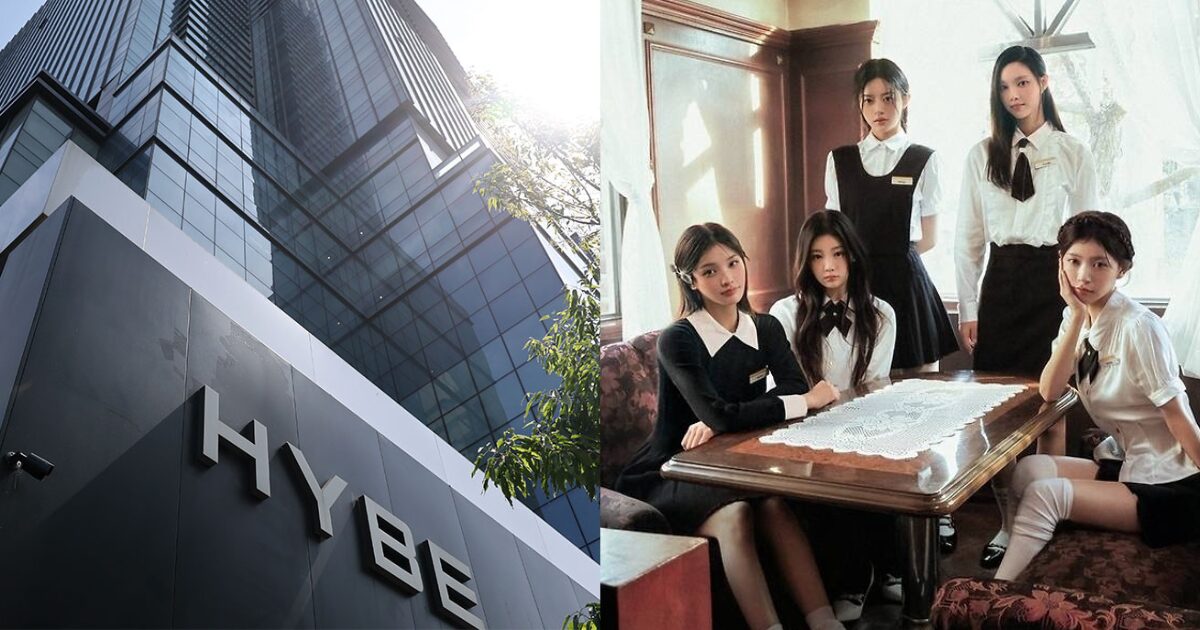
The legal dispute originated during a period of intense public scrutiny for HYBE and its newly debuted girl group, ILLIT. Following the group’s debut in early 2024, several YouTube channels managed by or associated with the media company Fast View began publishing content that questioned the group’s creative integrity. Specifically, the videos alleged that ILLIT had plagiarized the concept, visual aesthetics, and choreography of NewJeans, another popular girl group under the HYBE umbrella managed by ADOR.
At the time, the K-pop industry was embroiled in a civil war between HYBE’s top management and Min Hee-jin, the former CEO of ADOR. Min had publicly accused BELIFT LAB of "copying" the NewJeans formula to ensure ILLIT’s success. The YouTubers targeted in the lawsuit amplified these claims, further alleging that HYBE maintained clandestine ties to a specific religious organization, often referred to in online communities as a "cult."
HYBE vehemently denied these allegations, categorizing them as baseless fabrications intended to damage the reputation of the company and its artists. In late 2024, the company filed a civil suit targeting seven specific YouTube channels, asserting that the content constituted defamation and business interference.
A Protracted Legal Timeline
The road to the May 2026 verdict was marked by several procedural milestones that initially suggested a favorable outcome for the K-pop giant.
- Late 2024: HYBE files a civil lawsuit for ₩280 million KRW against Fast View. Shortly thereafter, BELIFT LAB and the individual members of ILLIT joined the suit as co-plaintiffs, a move that signaled the group’s direct involvement in the legal defense of their brand.
- Early 2025: Parallel to the civil suit, HYBE pursued criminal charges. The company filed complaints with the police regarding defamation and insults under the Information and Communications Network Act.
- May 2025: Law enforcement authorities referred a former team leader-level employee at Fast View to the prosecution. This development was initially hailed by supporters of the group as a sign that the legal system recognized the malicious nature of the content.
- May 8, 2026: The Seoul Western District Civil Division 12 delivers its judgment in the first-instance hearing of the civil suit. Contrary to expectations, the court ruled in favor of the defendant, Fast View, dismissing all claims for financial compensation.
The court’s decision to mandate that HYBE pay the defendant’s legal fees adds a financial and symbolic sting to the loss. In South Korean civil litigation, the "loser pays" principle typically applies to court costs, including a portion of the opposing party’s attorney fees, though the exact amount is determined by statutory limits.
The Court’s Reasoning and the "Cyber Wrecker" Paradox
While the full written opinion of the court has not been made public, legal analysts suggest the ruling likely hinges on the high threshold for proving defamation against public figures in South Korea. Under South Korean law, for a statement to be considered defamatory in a civil context, it must be proven that the defendant disseminated false facts with the intent to harm.
In cases involving "cyber wreckers," the line between "malicious falsehood" and "critical commentary" or "public interest reporting" is often blurred. The court may have determined that the allegations of plagiarism, while damaging, fell within the realm of artistic critique or reflected existing public debates (such as the public statements made by Min Hee-jin). Furthermore, the claims regarding religious associations may have been viewed as speculative commentary rather than definitive statements of fact that met the legal criteria for damages.
This ruling presents a significant hurdle for entertainment agencies. For years, companies like HYBE, SM Entertainment, and Starship Entertainment have sought to de-anonymize YouTubers and hold them financially accountable. While Starship Entertainment famously won a landmark case against the YouTuber "Sojang" in 2024, the HYBE vs. Fast View verdict suggests that legal victories are not guaranteed, especially when the defendant is a structured media company rather than an individual.
Public and Fan Reaction: Complicity vs. Victimhood
The verdict has ignited a firestorm of debate across social media platforms and K-pop forums. The reaction is sharply divided, reflecting the deep-seated tribalism within the K-pop fandom.
One segment of the public has directed its ire toward the members of ILLIT. Because the members joined the lawsuit as co-plaintiffs, some critics argue they are "complicit" in the label’s attempt to silence criticism. Comments on platforms like X (formerly Twitter) have been particularly harsh, with some users suggesting that by suing over plagiarism claims, the members were attempting to suppress "the truth" about their group’s creative origins.
Conversely, supporters of the group argue that the young idols are victims of a toxic online culture and corporate mismanagement. These fans point out that as trainees and junior artists, the members have little choice but to follow the legal strategies dictated by BELIFT LAB and HYBE. The backlash against the members following the court’s decision has led some observers to express concern for the artists’ mental health, as they are now being targeted for the outcome of a complex corporate legal battle.
Financial and Strategic Implications for HYBE
For HYBE, the loss is more than just a matter of ₩280 million KRW. The company is currently navigating a period of relative instability, with its stock price fluctuating amidst ongoing internal management disputes and the hiatus of its flagship group, BTS.

Strategically, this loss may force HYBE to recalibrate its legal approach. If the courts are becoming more conservative in awarding damages for online commentary, the company may need to focus more on preventative measures and public relations rather than relying solely on litigation. The order to bear the defendant’s legal costs is also a blow to the "litigate-everything" strategy, as it demonstrates that aggressive legal action carries a real financial risk for the plaintiff.
Broader Impact on the K-pop Industry
The HYBE vs. Fast View case will likely serve as a cautionary tale for other K-pop agencies. The industry is currently at a crossroads regarding how to handle "cyber wreckers." On one hand, there is a desperate need to protect artists from harassment and unfounded rumors. On the other hand, the legal system appears wary of allowing large corporations to use the courts to stifle discourse that could be interpreted as criticism.
This ruling may embolden other content creators who specialize in K-pop "commentary," as it suggests a degree of legal protection against civil damages suits, provided they can frame their content as opinion or a reflection of existing public discourse. It also highlights the limitations of the South Korean legal system in addressing the nuances of modern digital media, where the speed of information often outpaces the ability of the law to provide a remedy.
Conclusion and Future Outlook
As of the date of the ruling, HYBE and BELIFT LAB have not officially confirmed whether they intend to appeal the decision to a higher court. In South Korea, plaintiffs typically have 14 days from the receipt of the written judgment to file an appeal. Given HYBE’s history of persistence in legal matters, an appeal remains a strong possibility.
The outcome of this case serves as a reminder that the battle between K-pop conglomerates and the digital underworld of "cyber wreckers" is far from over. While the fans continue to debate the ethics of plagiarism and the culpability of the artists involved, the legal precedent set by the Seoul Western District Court will echo through the industry for years to come, shaping how the next generation of K-pop stars is defended in the court of law—and the court of public opinion.