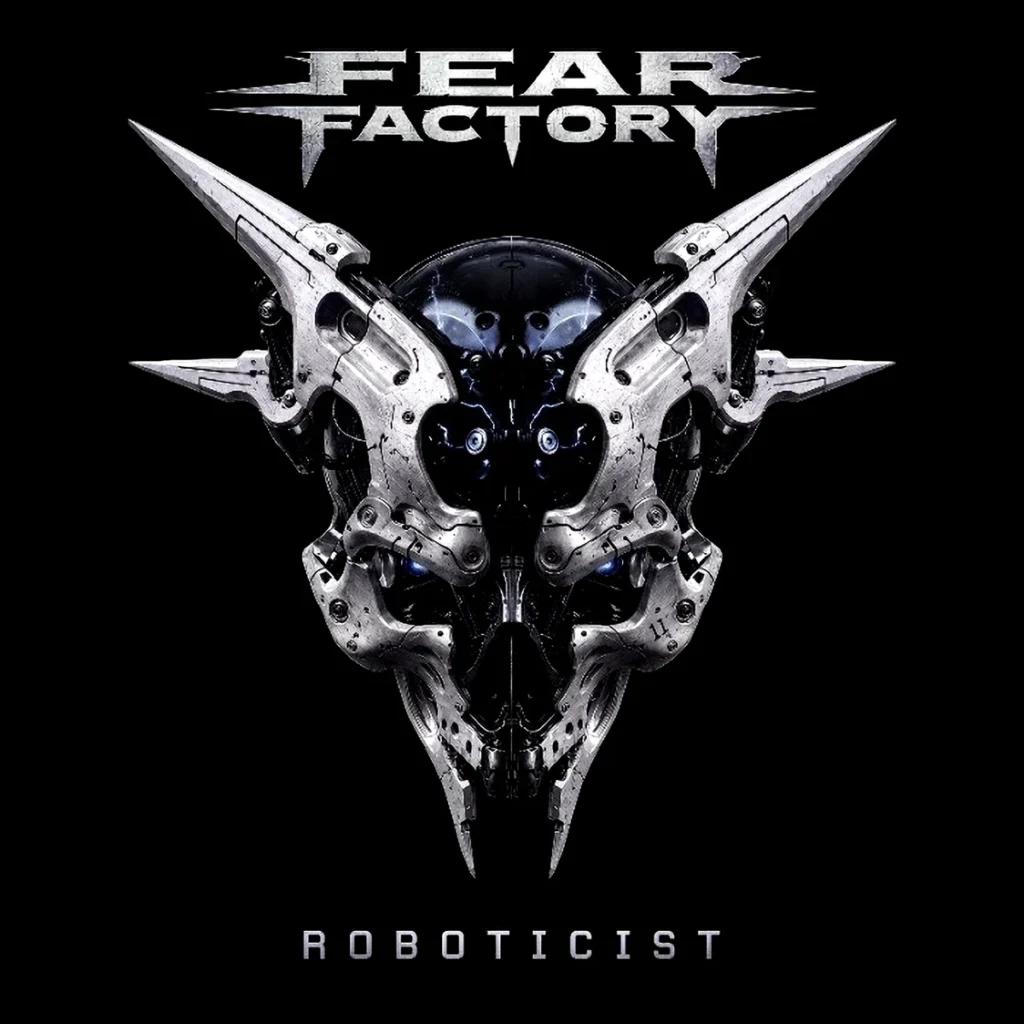

The industrial metal landscape is bracing for a seismic shift as veteran pioneers Fear Factory have officially announced the upcoming release of their latest studio album, Roboticist. Scheduled to arrive on April 9 via Nuclear Blast Records, the record marks a pivotal juncture in the band’s storied history. To coincide with the announcement, the group has premiered the lead single, "Detonizer," accompanied by a visually striking, AI-integrated music video that pays stylistic homage to the dystopian themes of the Terminator franchise. This release is significant not only for its technical evolution but also for representing the inaugural full-length studio project featuring the group’s revamped roster, effectively ushering in a new era for the Los Angeles-based act.
A New Chapter in Industrial Metal
The production of Roboticist signals a definitive departure from the band’s previous configurations. Most notably, the album serves as the first entry in Fear Factory’s nearly four-decade discography that does not feature original lead vocalist Burton C. Bell. Bell, whose distinct interplay of guttural growls and melodic, ethereal crooning defined the band’s signature sound since their inception in the late 1980s, officially departed the group in 2020 following a period of well-documented legal and personal friction.
In his stead, vocalist Milo Silvestro has taken up the mantle, joining long-time guitarist and primary songwriter Dino Cazares. The current lineup is rounded out by bassist Tony Campos, keyboardist Damien Rainaud, and drummer Pete Webber. This iteration of the band has spent the last few years solidifying its chemistry on the road, performing legacy material before finally entering the studio to craft a collective identity. The transition from the "Bell era" to this current incarnation has been a subject of intense scrutiny among the heavy metal community, with Roboticist serving as the definitive answer to questions regarding the band’s longevity and creative viability in a post-Bell landscape.
The Sonic Landscape of Detonizer
"Detonizer," the project’s debut single, offers a window into the band’s updated aesthetic. The track functions as a bridge between the genre-defining mechanical precision of the 1990s and the modern, polyrhythmic influence of the contemporary djent movement. The composition features the characteristic "machine-gun" guitar riffing for which Cazares is renowned, layered beneath a production sheen that leans into modern rock sensibilities, particularly within the choruses.
The accompanying video, which utilizes artificial intelligence to manipulate and generate visuals, echoes the lyrical themes of the album. By invoking imagery reminiscent of 1980s and 90s science fiction, the band reinforces its long-standing preoccupation with the symbiosis of man and machine. Cazares has been vocal about the conceptual framework of the new record, stating, "The countdown to destruction has begun; it’s time to detonate the system." This thematic focus on systemic collapse and technological takeover has remained a core pillar of the band’s identity, dating back to their seminal works such as Demanufacture (1995) and Obsolete (1998).
Conceptual Framework and Narrative
Roboticist is presented as a high-concept exploration of a future where human agency has been entirely supplanted by autonomous systems. According to statements provided by the band, the album’s narrative arc follows the seizure of control by "Cybernetic Industries," an entity that has orchestrated the systematic extinction of the human race. The tracklist, which includes titles such as "Decentralization," "Unsynthesizable," "Neural Infection Scanner," and "No Blood No Flesh," paints a grim, clinical portrait of a world where biological life has been rendered obsolete by its own creations.
Cazares summarized the conceptual weight of the project: "The machines have inherited the future. No blood, no flesh, all machine. Welcome to the age of Roboticist." This narrative approach aligns with the band’s historical commitment to speculative fiction, maintaining a consistent brand identity that has influenced generations of industrial and extreme metal musicians. By focusing on these themes, Fear Factory continues to position itself as a chronicler of the digital age’s existential anxieties.

Historical Context and Lineup Evolution
To understand the significance of Roboticist, one must consider the tumultuous timeline that preceded it. Fear Factory was formed in 1989 in Los Angeles, California, quickly gaining notoriety for their pioneering fusion of death metal, industrial, and groove metal. Over the course of the 1990s, they became one of the most influential acts in heavy music, setting a template that would be copied by countless bands in the nu-metal and metalcore genres.
However, the band has frequently been hampered by internal instability. The 2000s saw numerous departures and returns of various members, including bassist Christian Olde Wolbers and drummer Raymond Herrera. The most recent period of volatility began around 2015, leading to a hiatus and subsequent legal battles over the band’s name. When the dust settled, Dino Cazares emerged as the sole owner of the Fear Factory trademark. The recruitment of Milo Silvestro, a fan who had gained internet fame for his uncanny ability to mimic Bell’s vocal range and style, was seen as a pragmatic move to preserve the band’s sound while allowing for a fresh start.
Touring and Market Presence
The announcement of the new album follows a rigorous touring schedule, which serves as a testing ground for the new material. Fear Factory is currently concluding their "Soul of a New War Machine" co-headlining tour with Mushroomhead, a series of dates that have allowed the band to integrate their new members into the live environment. The momentum is expected to continue with the upcoming "Cybernetic Domination" tour, featuring support from Darkest Hour and Brotality.
The band’s ability to remain commercially relevant is supported by their strategic partnership with Nuclear Blast Records and the use of modern marketing tools, such as the pre-order campaign that includes limited-edition color vinyl variants. Such collector-focused offerings are critical in the current music industry, where physical media sales have become a primary revenue stream for legacy metal acts.
Implications for the Industry
The release of Roboticist represents more than just a new collection of songs; it is a test of brand resilience. Can a band synonymous with a specific vocal performance successfully pivot to a new frontman after nearly 30 years? The initial reception of "Detonizer" suggests that the fanbase is willing to engage with the new iteration, provided the musical core—the signature sound of Cazares’ guitars and the band’s mechanical rhythms—remains intact.
Furthermore, the band’s embrace of AI in their music video production mirrors a broader trend within the music and visual arts industries. While the use of AI in creative fields has sparked significant ethical debate, Fear Factory’s choice to lean into this technology serves as a meta-commentary on their own lyrical themes. By using the tools of the "machines" to create their art, they are leaning into the very reality they describe in their music.
As April 9 approaches, the industry will be watching to see how Roboticist performs on the charts and how audiences respond to the complete album. With 11 tracks slated for release, including "Roboticist," "Decentralization," and the closing track "Fragments," the album is positioned to be a significant release for the metal genre in 2026. Whether it will be viewed as a successful rebirth or a bold attempt to carry a legacy forward will ultimately be decided by the listeners, but for now, Fear Factory has succeeded in ensuring that the conversation surrounding their future is as intense as the music they produce.
Tracklist
- Roboticist
- Decentralization
- Detonizer
- Eradicator
- Welcome to the Factory
- Unsynthesizable
- No Blood No Flesh
- Synthetic Savior
- Neural Infection Scanner
- De-Extinction
- Fragments