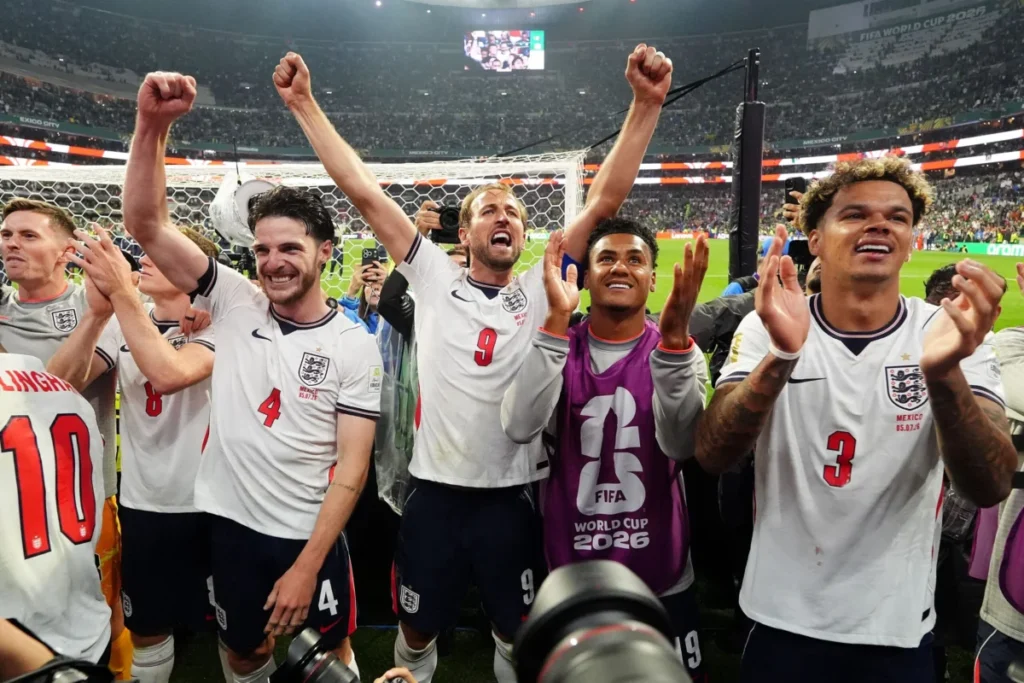

The thrilling 3-2 victory of England over co-host Mexico in the 2026 FIFA World Cup has officially been declared the most-watched football match in United States television history, drawing an unprecedented 44.9 million viewers across English and Spanish language broadcasts. This monumental viewership figure, confirmed by FIFA, underscores the rapidly accelerating growth of football’s popularity in North America and sets a new benchmark for sporting events outside of traditional American major league finals. The match, played at the iconic Estadio Azteca in Mexico City, captivated nearly half of all active television viewers in the US based on comprehensive overnight audience data, highlighting the immense appeal of the expanded World Cup format and the high stakes of a host nation facing a European powerhouse.
A Historic Night for Football in the Americas
The 2026 FIFA World Cup, jointly hosted by the United States, Canada, and Mexico, represents a pivotal moment for global football, marking the first time three nations have shared hosting duties and the introduction of an expanded 48-team format. This particular group stage encounter between England and Mexico, which saw England clinch a crucial three points, resonated deeply across diverse demographics, establishing new viewership records on both English and Spanish language networks. The colossal 44.9 million total US audience surpassed all previous football telecasts, including any matches featuring the US Men’s National Team (USMNT), signaling a significant shift in the American sporting landscape.
The Unprecedented US Audience Breakdown
Digging into the granular data provided by FIFA, the English-language broadcast on Fox achieved an average audience of 21.7 million, setting a new record for the most-watched World Cup telecast in the US not featuring the USMNT. This performance by Fox is particularly noteworthy, as it demonstrates a broadening appeal for international football beyond direct national interest, attracting a significant segment of the general sports-watching public. The network’s robust marketing campaign and extensive pre-match coverage undoubtedly contributed to this success, positioning the match as a must-see event.
Complementing Fox’s achievement, American Spanish-language broadcaster Telemundo also shattered records, securing the most-watched Spanish-language football match in US television history. Their coverage drew a remarkable total audience of 23.2 million, surpassing the previous record set by a match between Mexico and Ecuador, a significant feat given the strong historical viewership for Latin American teams. This statistic powerfully illustrates the passionate and growing Hispanic football fanbase in the United States, a demographic critical to the sport’s continued expansion. The combined power of these two language broadcasts underscores the dual-market strategy employed by FIFA and its broadcast partners to maximize reach and engagement across the diverse American population.
The Match: A Thrilling Encounter at Estadio Azteca
The high-stakes Group B encounter unfolded at the legendary Estadio Azteca, a venue steeped in World Cup history, having hosted two previous finals. The atmosphere was electric, with a capacity crowd of over 87,000 predominantly Mexican supporters creating a cacophony of sound that reverberated through the colossal stadium. England, under the guidance of head coach Thomas Tuchel, arrived in Mexico City with high expectations, having navigated their initial group stage fixtures with a blend of tactical discipline and offensive flair. Mexico, as a host nation, carried the hopes of millions, eager to make a deep run in their home tournament and deliver a memorable performance against one of Europe’s footballing giants.
The match itself was a pulsating affair, living up to its billing as a potential classic. England took the lead through a clinical finish from Jude Bellingham, who continued his impressive scoring form in the tournament. However, Mexico responded with tenacity, leveling the score through Julian Quinones, much to the delight of the home crowd. The see-saw battle continued into the second half, with Bellingham once again finding the net for England, only for Mexico to equalize again via a powerful strike from Raul Jimenez. The decisive moment came late in the game when England’s captain and talisman, Harry Kane, converted a penalty, securing the 3-2 victory and sending England fans worldwide into raptures. The final whistle brought a mix of jubilation for England and palpable disappointment for Mexico, yet the quality of the game and the sheer drama ensured its place in World Cup lore. England head coach Thomas Tuchel was seen celebrating vigorously on the touchline, acknowledging the hard-fought nature of the win and the significance of the performance.

England’s Path and Mexico’s Challenge
This particular fixture was not just another group stage match; it was a defining moment for both nations in the 2026 World Cup. For England, securing a victory against a formidable host nation like Mexico was crucial for solidifying their position atop Group B and ensuring a more favorable draw in the knockout stages. It showcased their resilience and ability to perform under immense pressure in a hostile environment, qualities essential for a deep tournament run. The three goals scored also boosted their goal difference, a potentially vital tie-breaker in tightly contested groups.
For Mexico, the match represented a significant challenge and an opportunity to make a statement on home soil. Despite the loss, their spirited performance against one of the tournament favorites demonstrated their competitive spirit and the quality of their squad. The overwhelming support from the Estadio Azteca crowd highlighted the profound connection between the team and its passionate fanbase, reinforcing Mexico’s identity as a footballing nation. The experience of playing in such a high-profile, record-breaking match, even in defeat, provides invaluable lessons and motivation for their remaining tournament fixtures.
UK Audiences Defy Time Zones for Record Viewership
Across the Atlantic, English fans demonstrated an equally fervent dedication, with UK broadcasters also reporting record-breaking viewership despite the challenging kick-off time. The match, originally slated for a 1am BST kick-off, was delayed until 2am due to unforeseen weather conditions, adding an extra layer of difficulty for nocturnal viewers. Nevertheless, the loyal fanbase tuned in en masse, with a peak viewership of 9.1 million on BBC One and BBC iPlayer. The average audience for the game across these platforms settled at a remarkable 7.8 million.
This extraordinary engagement set a new record for the largest television audience for a live UK broadcast between 2am and 4am. The previous record, held during the 2016 Rio de Janeiro Olympics, saw just over three million viewers watch Team GB stars Mo Farah, Jessica Ennis-Hill, and Greg Rutherford clinch medals overnight. The football match’s ability to attract more than double that audience during unsocial hours underscores the unparalleled drawing power of the FIFA World Cup and the passionate commitment of England supporters, willing to sacrifice sleep to witness their national team compete on the global stage.
Overcoming Obstacles: Weather Delays and Dedicated Fans
The 1am to 2am delay was a testament to the unpredictable nature of live sporting events and the challenges faced by broadcasters and organizers. While the specific weather conditions were not detailed, such delays often involve severe thunderstorms, heavy rainfall, or even seismic activity in certain regions, all of which can impact player safety and stadium infrastructure. Despite the logistical hurdles and the extended wait for fans, the overwhelming response from UK audiences highlights their unwavering dedication. This commitment not only reflects national pride but also the compelling narrative of England’s World Cup campaign and the sheer entertainment value of the tournament. The fact that millions remained glued to their screens, enduring the late hours and the delay, speaks volumes about the emotional investment fans have in their team’s journey.
Industry Reactions and Official Triumphs
The record-breaking viewership figures were met with widespread acclaim from football’s governing bodies, broadcasters, and national federations, each recognizing the profound implications of this success.

FIFA’s Vision Realized
A spokesperson for FIFA expressed immense satisfaction with the viewership data, stating, "These unprecedented numbers are a powerful testament to the universal appeal of football and the success of our expanded 2026 FIFA World Cup vision. To see nearly 45 million Americans tune in for a match not featuring their national team, alongside record figures in the UK, demonstrates the truly global reach and captivating power of this tournament. We are particularly thrilled with the growth in North America, a key strategic region for the sport, and these figures lay a solid foundation for the enduring legacy we aim to build."
Broadcaster Bonanza
Executives from Fox and Telemundo released joint statements celebrating their record achievements. A Fox Sports representative commented, "We are incredibly proud to have delivered such a historic broadcast. These numbers validate our significant investment in World Cup rights and underscore the burgeoning passion for football across the United States. The engagement across all platforms was phenomenal, and we look forward to continuing to bring unparalleled coverage to our viewers throughout the tournament." Similarly, a Telemundo Deportes executive remarked, "Our record-breaking viewership for the England-Mexico match is a clear indicator of the vibrant and dedicated Hispanic football community in the US. Telemundo is committed to serving this audience with world-class coverage, and these figures prove the immense appetite for the beautiful game in Spanish." The BBC also acknowledged the extraordinary UK viewership, with a spokesperson noting, "Despite the late hour and the unforeseen delay, the British public once again showed their incredible support for the Three Lions. Setting a new record for overnight broadcasting is a remarkable achievement and highlights the unique place the World Cup holds in the national consciousness."
On-Field Excellence and Fan Appreciation
England coach Thomas Tuchel, while focused on the tactical aspects of the game, briefly touched upon the global support, stating in a post-match interview, "The atmosphere at Azteca was incredible, and we felt the support, even from those watching late into the night back home and around the world. It’s inspiring to know so many people are behind us, and we are determined to continue performing for them." While Mexico’s coach expressed disappointment with the result, he also acknowledged the incredible spectacle and the passion of the fans, both in the stadium and watching worldwide, remarking, "This game was a testament to football’s power. We fought hard, and while the result wasn’t what we wanted, the energy and the global viewership show how much this sport means to people."
Broader Implications for Global Football and Host Nations
The record-shattering viewership for England’s match against Mexico carries significant implications, not only for the ongoing 2026 World Cup but for the future trajectory of football as a global sport, particularly in North America.
Commercial Windfalls and Sponsorship Boom
These unprecedented viewership numbers translate directly into massive commercial opportunities. Broadcasters like Fox and Telemundo can command higher advertising rates for subsequent matches, attracting premium brands eager to reach such a vast and engaged audience. For FIFA, the increased global visibility and proven market penetration in North America will undoubtedly enhance the value of future media rights and sponsorship deals. The success of this tournament serves as a powerful case study for potential host nations and corporate partners, demonstrating the immense return on investment associated with the World Cup.
Catalyzing Football’s Growth in North America
The 2026 World Cup was always envisioned as a catalyst for football’s growth in the US, Canada, and Mexico. This record viewership, especially for a non-USMNT match, provides tangible evidence that this vision is rapidly becoming a reality. It suggests a broadening of the football fanbase beyond traditional immigrant communities, drawing in new converts from mainstream sports audiences. This growth is likely to have ripple effects, including increased participation in youth soccer, greater interest in Major League Soccer (MLS) and Liga MX, and potentially more investment in football infrastructure and talent development across the continent. The tournament’s legacy will extend far beyond the final whistle, fostering a new generation of players and fans.
England’s Enduring Appeal and Future Prospects
For England, the victory not only secured crucial points but also reinforced their status as a global footballing brand. Their attractive style of play, combined with star players like Jude Bellingham and Harry Kane, contributes significantly to the tournament’s overall appeal. The record UK viewership, despite the inconvenient timing, speaks to the deep-seated national passion for the team. As the tournament progresses, England is now set to face Norway in their next fixture, scheduled for Saturday in Miami, with the game due to be broadcast on ITV. This match, too, is expected to draw substantial audiences, as England continues its quest for World Cup glory, riding the wave of unprecedented global attention. The success of this single match underscores the World Cup’s unparalleled ability to unite fans worldwide, transcend geographical boundaries, and cement its position as the ultimate celebration of the beautiful game.