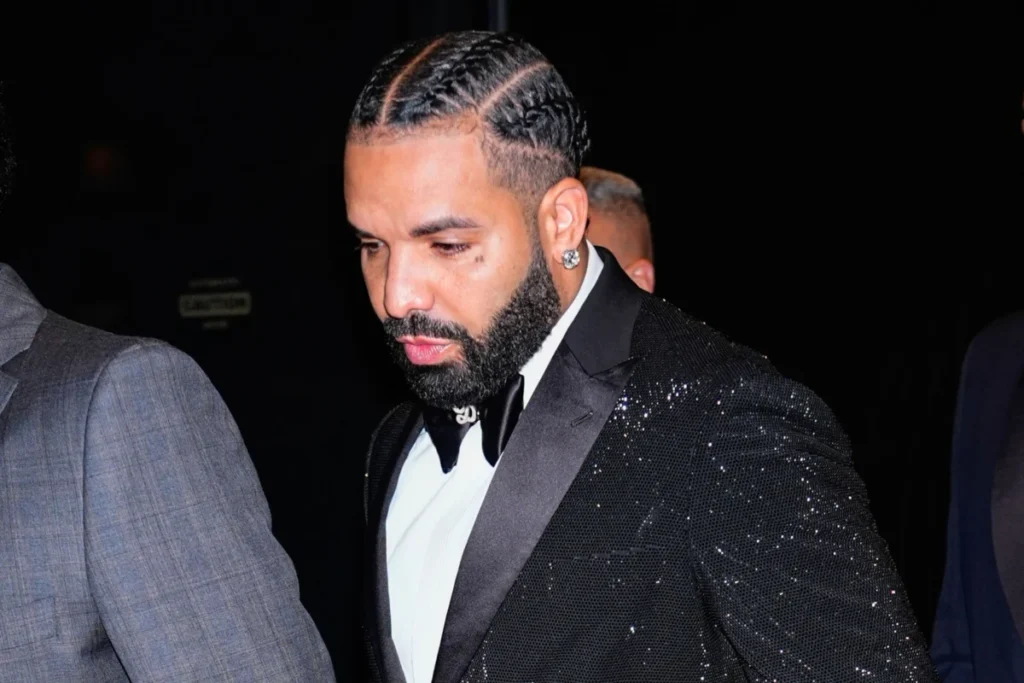

Canadian rapper and global music icon Drake marked a major personal and professional milestone on October 24, officially entering his fourth decade. The multi-Grammy Award-winning artist commemorated his 40th birthday by engaging in a deeply nostalgic reflection on his formative years, sharing intimate glimpses of his childhood with his millions of social media followers. The digital retrospective was quickly followed by an exclusive, star-studded birthday celebration held at the upscale, members-only venue Casa Cipriani in New York City. The evening’s highlight transcended a traditional private gathering when the birthday honoree surprised attendees by performing live alongside legendary 1990s boy band the Backstreet Boys, delivering a rendition of their iconic 1999 pop anthem "I Want It That Way."
The dual celebration offered a rare window into the personal life of an artist who has spent the better part of two decades under the relentless glare of international media scrutiny. By blending vulnerable childhood reflections with a high-energy homage to the soundtrack of his youth, Drake underscored the enduring psychological impact of early cultural touchstones, even for those who have achieved the highest echelons of pop superstardom.
A Nostalgic Look Back: Childhood Memories and Social Media Reflection
On the eve of his landmark birthday, October 23, Drake utilized his official Instagram platform to share a curated selection of archival photographs documenting his youth in Toronto, Canada. The series of images provided followers with a sentimental portrait of the artist long before he assumed the moniker of Champagne Papi or dominated global streaming charts.
Among the widely circulated snapshots was an image of a young Drake sitting casually on the hood of a motor vehicle, clutching a copy of the children’s novel My Teacher Fried My Brains. The understated imagery stood in sharp contrast to the lavish lifestyle typically associated with the hip-hop heavyweight. Accompanying the visual walk down memory lane was a concise yet poignant personal caption directed at his younger self: "I accept you for you."

Industry analysts and cultural commentators noted that the birthday reflection aligned with a broader narrative of personal maturation for the artist. Entering the fourth decade of life frequently prompts public figures to reevaluate their trajectories, balancing the demands of an unrelenting career with the grounding elements of personal identity and early memory.
The Casa Cipriani Celebration and the Backstreet Boys Collaboration
The physical festivities commenced in Manhattan, where Drake hosted a private gathering at Casa Cipriani, a prestigious waterfront club situated within the historic Battery Maritime Building. The guest list reportedly featured a coterie of high-profile industry figures, close friends, and collaborators. However, the most memorable moment of the evening materialized when the musical entertainment shifted from recorded sets to a live, unannounced performance.
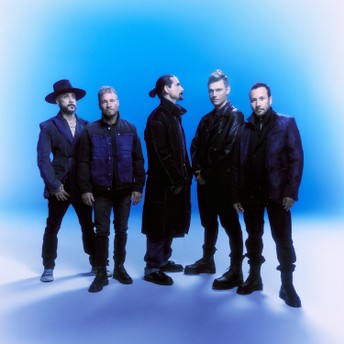
All five active members of the Backstreet Boys—Howie Dorough, Nick Carter, Brian Littrell, AJ McLean, and Kevin Richardson—descended upon the stage to join Drake for a rendition of their defining 1999 single, "I Want It That Way." The track, which serves as the centerpiece of the band’s diamond-certified third studio album Millennium, remains one of the most recognizable pop compositions of the late 20th century.
Video footage captured from the event quickly circulated across digital platforms, including X (formerly Twitter), showing Drake enthusiastically trading verses and harmonizing with the veteran pop idols during the song’s chorus and vocal outro. In a reciprocal nod to the host’s musical catalogue, member Howie Dorough seamlessly integrated a lyric from Drake’s 2013 Billboard Hot 100 hit "Hold On, We’re Going Home" into the bridge of the performance.
The collaboration was not merely a spontaneous party trick but the realization of a long-standing fandom. Drake has frequently expressed profound reverence for the track, describing it in past interviews as one of the greatest compositions in popular music history. He has noted that discovering the song during his early adolescence provided him with a profound sense of emotional validation and cultural inclusion at a time when he was navigating the complexities of identity in Toronto.
Historical Context and Chart Legacy of "I Want It That Way"
The inclusion of the Backstreet Boys at his milestone celebration highlights the specific generational timeline that has shaped Drake’s artistic sensibilities. Born Aubrey Drake Graham on October 24, 1986, the artist was precisely 13 years old when "I Want It That Way" saturated global airwaves in the spring and summer of 1999.
Released by Jive Records as the lead single from Millennium, the track became an inescapable cultural phenomenon. It peaked at No. 6 on the U.S. Billboard Hot 100 chart, dominated MTV’s influential countdown program Total Request Live (TRL), and earned multiple Grammy Award nominations, including Record of the Year and Song of the Year. For a generation of teenagers coming of age at the turn of the millennium, the song functioned as a defining sonic backdrop.
Drake has previously articulated that the track offered him a unique form of social resonance during his formative school years. In retrospective commentary, he recalled that listening to the harmonies made him feel acknowledged and provided an aspirational sense of belonging. Recreating that moment as a peer alongside the original vocalists more than two decades later completed a full-circle narrative for the rap superstar.
The Birthday Address: Focusing on Longevity and Survival
Addressing his guests later in the evening during a brief speech, Drake reflected on the gravity of reaching the age of 40 within an industry notorious for burning through talent at a rapid pace. Eschewing the typical promotional cadence of a modern music executive or touring artist, he directed the room’s attention toward the fundamental reality of endurance.
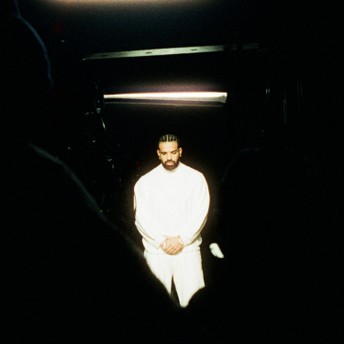
"Tonight isn’t about a tour, an album release, or a bunch of videos we shot," Drake told the assembled crowd during the Saturday night festivities. "It’s about being alive, staying alive."
The sentiment carries considerable weight within the contemporary hip-hop landscape. Over the past fifteen years, the genre has witnessed the tragic loss of numerous young artists, making longevity a rare and celebrated achievement. By emphasizing survival and physical presence over commercial output, Drake signaled a philosophical shift in how he measures success as he crosses the threshold into middle age.
Broader Industry Implications and Commercial Status at 40
Reaching the age of 40 places Drake in a distinct echelon of hip-hop artists who have successfully maintained commercial dominance and cultural relevance across multiple decades. Figures such as Jay-Z, Eminem, and Nas have demonstrated that longevity in rap music is achievable, yet doing so requires constant reinvention and astute navigation of shifting industry paradigms.
As he embarks on his fifth decade, Drake’s commercial footprint remains formidable, supported by a historic catalogue that continues to generate billions of streams annually. The ability to pivot seamlessly from streaming juggernaut to intimate pop nostalgist—exemplified by his impromptu performance with the Backstreet Boys—illustrates the broad scope of his musical appreciation and his capacity to generate viral cultural moments effortlessly.
While the milestone birthday did not coincide with a new album announcement or tour kickoff, the high-profile celebration served as a powerful reminder of his entrenched status in popular culture. By honoring both his younger self through vulnerable childhood disclosures and his lifelong musical idols through direct collaboration, Drake defined his 40th birthday not just as a marker of age, but as a celebration of endurance, memory, and pop-cultural synthesis.