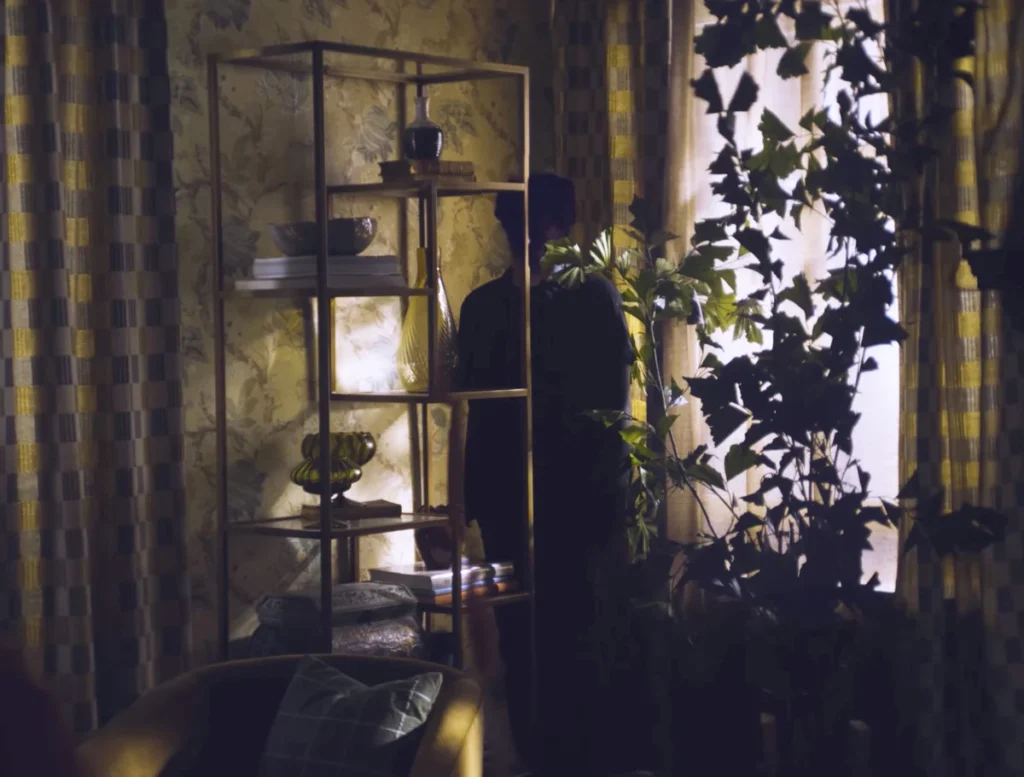

The landscape of independent horror cinema has increasingly shifted toward digital platforms, where filmmakers can bypass traditional studio gatekeepers to reach vast audiences directly. On October 30, 2026, rising filmmaker Curry Barker continued this trend by releasing his latest micro-budget horror project, a sub-five-minute short film titled Mama Bear. Published via his established YouTube channel, "that’s a bad idea," the project arrived hot on the heels of Barker’s breakout horror feature Obsession, which generated significant online discourse earlier in the year. Although brief in runtime, Mama Bear has immediately captured the attention of genre enthusiasts and industry observers alike, blending psychological tension with high-concept narrative ambiguity.
Main Facts and Narrative Overview
Clocking in at under five minutes, Mama Bear wastes no time establishing an atmosphere of escalating dread. The narrative centers on Floyd, a man who wakes up to a barrage of frantic phone calls demanding to know his whereabouts and urging him to evacuate his home immediately. The source of the panic becomes clear when his girlfriend violently breaches the residence armed with a firearm, setting up a terrifying confrontation. However, the short deliberately leaves viewers with more questions than answers, withholding the exact motivation behind the home invasion and what actions—either by Floyd or an unknown entity—triggered the violent response.
The short film features a recognizable ensemble cast. Jon Lee Richardson steps into the lead role of Floyd, delivering a performance defined by disorientation and panic. He is joined by Katie Sarife, Ericka Kreuz, and Joshua Snyder. While the title and thematic undertones carry echoes of the "One-Wish-Willow" universe seen in Barker’s previous work, Obsession, the filmmaker has structured Mama Bear to function within its own self-contained nightmare, offering subtle clues for attentive viewers to decipher.
Background Context and the Rise of Curry Barker

To understand the cultural footprint of Mama Bear, one must examine the rapid ascent of Curry Barker within the contemporary horror ecosystem. Barker initially gained traction in indie circles through sketch comedy work alongside collaborator Coop on their YouTube platform. However, his transition into micro-budget horror redefined his career trajectory. His previous feature-length and short-form projects, including the viral hit Milk & Serial and the psychological thriller Obsession, demonstrated an acute understanding of modern audience engagement, utilizing minimalist settings and relentless pacing to maximize psychological impact.
Barker’s work is characterized by a DIY ethos that leverages contemporary anxieties—such as digital surveillance, identity duplication, and the fragility of personal safety. In Mama Bear, these themes manifest through the motif of relentless, inescapable communication. The protagonist is hounded by phone calls before physical violence even breaches the threshold of his home, turning the modern smartphone into an instrument of psychological torture.
Chronology and Production Background
The genesis of Mama Bear bridges the gap between independent guerrilla filmmaking and corporate-sponsored art. The project was produced by Jenna Lonergan, with executive production duties handled by Brian Hoff, Laura Lucchetti, and Evelina Trapani. Behind-the-scenes credits highlight a collaborative effort involving production companies Hoff Studios, Poster Child, and Droga5, alongside Microsoft.
Notably, Barker acknowledged a corporate partnership in the creation of the short, stating publicly, "Thanks to Windows for sponsoring this short film." This integration of major technology brands into indie horror short films represents a growing trend in digital media distribution, where corporate sponsorships underwrite creative independence, allowing filmmakers to maintain artistic control over narrative execution while securing high-end production values.
The visual language of the short was shaped by cinematographer Riley Barker, whose camera work utilizes tight framing and disorienting angles to amplify Floyd’s claustrophobia. Production designer Vivian Gray contributed to the lived-in, yet deeply unsettling domestic environment that ultimately becomes a trap for the protagonist. The project dropped online quietly on October 30, 2026, with initial visibility heavily aided by viral dissemination across social media platforms like Twitter, demonstrating the power of organic digital word-of-mouth in modern film marketing.

Analysis of Implications and Industry Trends
The release of Mama Bear serves as a case study in the changing economics of short-form filmmaking. For decades, horror shorts were primarily viewed as calling cards—proof-of-concept reels designed to help young directors secure funding for feature films from traditional Hollywood studios. However, creators like Barker are proving that short-form content can be a viable end in itself, capable of monetizing directly through digital platforms while sustaining continuous engagement with a dedicated fan base.
Furthermore, the narrative ambiguity of Mama Bear speaks to a broader shift in contemporary horror storytelling. Modern audiences increasingly favor open-ended, puzzle-box narratives that require active decoding. By seeding hints throughout the short—suggesting complex sci-fi or psychological concepts like doppelgängers, identity theft, or supernatural replacement—Barker encourages viewers to engage in post-watch analysis across internet forums and social media. This participatory viewing experience transforms a four-minute video into a communal event, driving long-tail engagement far beyond the initial release window.
Broader Impact on Independent Distribution
As streaming services and video-sharing platforms continue to democratize distribution, the traditional boundaries between commercial cinema and independent digital shorts are blurring. Projects backed by major corporate entities like Microsoft and executed by boutique studios like Hoff Studios and Poster Child illustrate that brands are increasingly willing to invest in edgy, niche genres to capture younger, digitally native demographics.
For Curry Barker, Mama Bear solidifies his reputation as one of the most reliable and innovative young voices in modern horror. By continuously shifting between micro-shorts and feature-length releases, he has built a sustainable ecosystem for his creative output that bypasses traditional theatrical bottlenecks. As audiences dissect the subtle clues embedded within Mama Bear, the project stands as a testament to the potency of disciplined storytelling, proving that high-tension horror requires nothing more than a compelling premise, strong performances, and a masterclass in pacing.