
The 34th edition of the International Film Festival of the Art of Cinematography, universally known as Camerimage, is set to unfold in Torun, Poland, from November 7 to November 14, 2026. As the world’s premier global gathering dedicated entirely to the visual architects of cinema, the festival arrives at a critical juncture for the entertainment industry. Marek Zydowicz, the visionary founder who established the event in 1993 to elevate cinematographers and below-the-line artists out from under the shadow of being treated as mere technicians, finds himself in a characteristically combative yet deeply reflective mood. This year, the festival balances landmark celebrations of cinematic masters with urgent, high-stakes panel discussions regarding budget contractions, the uncertain landscape of theatrical distribution, and the rapidly accelerating intrusion of generative artificial intelligence into the filmmaking process.
Background Context and Evolution of Camerimage
Since its inception over three decades ago, Camerimage has carved out a distinct and vital niche within the global film festival circuit. Founded during a time when below-the-line talent received scant recognition outside of technical credits, the festival was designed as a sanctuary where the language of the moving image could be analyzed, debated, and celebrated with the same reverence historically reserved for directors and actors.
Over its 34-year history, the event has experienced a massive scaling of operations. Originally launched in Torun before spending several years in Lodz and Bydgoszcz, the festival has permanently returned to Torun, backed by a monumental infrastructural investment. Spearheaded by the local authorities and the Polish government, the ongoing construction of the European Film Center Camerimage represents a staggering $200 million investment. This state-of-the-art complex will feature a massive screening auditorium with more than 1,600 seats equipped with cutting-edge projection technologies, a 4,000-square-meter exhibition and trade fair center for filmmaking technology, an extensive education hub, and the House of Cinema, which will house David Lynch’s World of Imagination—a permanent home for artifacts and installations from Twin Peaks and other works by the late visionary director.
Today, Camerimage attracts an average annual attendance of approximately 70,000 participants, drawing roughly 1,000 film school students, 800 international cinematographers, and hundreds of other creative professionals from more than 80 countries.

The Unique Lineage of Polish Cinematography
When addressing why Poland consistently produces some of the most extraordinary cinematographers in cinematic history, Zydowicz points to a rich historical and cultural tapestry. The roots, he explains, extend far beyond modern film schools, tracing back to the period of the 123-year partition of Poland. During that era of foreign rule, paintings and graphic works depicting key moments in the nation’s history sustained hopes for regained independence and fueled collective imagination.
Following the Second World War, this profound tradition of visual storytelling laid the foundational ethos of the legendary Lodz Film School. Operating under the stringent constraints of communist censorship, Polish artists developed specialized methods of expression, adopting the techniques of their 19th-century predecessors. Dialogues between characters frequently conveyed one narrative, while composition, lighting, and framing subtly communicated another. This environment fostered an extraordinary visual sensitivity. Technological limitations and Poland’s relative isolation from Western progressive culture forced filmmakers to devise original, resourceful solutions. The deep, collaborative bond between directors and cinematographers became paramount, producing an enduring artistic tradition that continues to flourish across global cinema, from major Hollywood blockbusters to independent art-house projects.
Honoring Darren Aronofsky Amid Industry Controversy
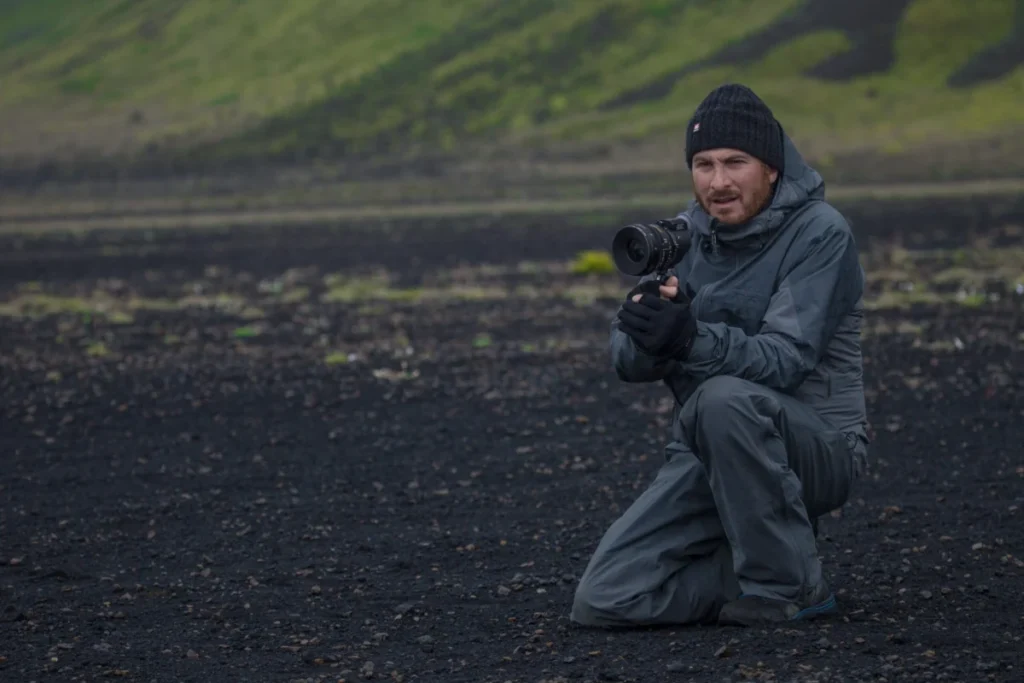
One of the most fiercely debated elements of the 2026 festival is the decision to honor acclaimed director Darren Aronofsky with Camerimage’s prestigious Director Award. Aronofsky, whose provocative filmography includes Requiem for a Dream, Black Swan, The Fountain, and The Whale, has recently drawn intense scrutiny and debate for his proactive embrace of generative AI in production and his efforts to secure funding for an AI-focused film studio.
Zydowicz acknowledges that the award will generate friction among traditionalists, but defends the choice by pointing to Aronofsky’s overarching 30-year contribution to cinema. Rather than viewing the accolade as an endorsement of AI, Zydowicz frames it as recognition of an artist who consistently confronts unsettling aspects of human nature, addiction, mortality, and psychological disintegration. The festival maintains that Aronofsky’s willingness to experiment with unfamiliar territory is a hallmark of a restless, curious creative mind, and insists that the controversies surrounding his technological explorations are precisely the types of open discussions the industry needs to have.

The Artificial Intelligence Stance: Boundaries and Regulations
Artificial intelligence dominates the discourse at Camerimage 2026, permeating panels, workshops, and press briefings. Zydowicz has been unequivocal regarding the festival’s official policy: Camerimage will not accept productions generated entirely by AI. The primary focus of the selection committees remains firmly rooted in the genuine, lived human artistry of cinematographers.
While the festival screens experimental works created solely through AI purely for analytical and educational purposes, Zydowicz advocates for a cautious, hybrid approach. He suggests that live performers should retain agency over how far artificial intelligence is permitted to intervene in their likenesses and performances. Furthermore, Zydowicz stresses the urgent necessity for robust legal frameworks—potentially at the European Union level—to safeguard intellectual property, protect professional livelihoods, and establish clear ethical boundaries for AI integration within the motion picture industry.
Master Editors and Visionary Honorees
Beyond the contentious debates surrounding emerging technologies, Camerimage 2026 is punctuated by celebrations of undisputed masters of visual and narrative pacing. Ace editor Joe Walker, renowned for his transformative collaborations with Denis Villeneuve (Sicario, Arrival, Blade Runner 2049, and the Dune franchise) and Steve McQueen (Hunger, 12 Years a Slave, Widows), is being feted by the festival and will serve as the chairman of the Main Competition jury. Walker’s appointment underscores the intimate relationship between editorial rhythm and cinematographic vision, demonstrating how editing shapes an audience’s emotional comprehension before explicit dialogue takes hold.
Additionally, The Hollywood Reporter will present its prestigious Visionary Award in Cinematography to Polish-born master Janusz Kaminski. Celebrated for his iconic, paradigm-shifting work alongside Steven Spielberg on films such as Schindler’s List, Saving Private Ryan, and The Diving Bell and the Butterfly (which earned a Golden Frog at Camerimage), Kaminski continues to push boundaries. His latest collaboration with Spielberg, Disclosure Day, screens in contention at this year’s festival, showcasing his signature use of atmospheric halation and tension-building visual framing.

Broader Industry Challenges and the Evolving Landscape
As Camerimage 2026 opens its doors, the broader industry landscape is characterized by severe financial pressures, budget contractions, and heightened anxieties regarding job security. Zydowicz notes that while financial constraints force filmmakers to maximize limited resources, human intuition, experience, and emotional depth remain irreplaceable. A veteran cinematographer’s ability to make a split-second artistic decision on set relies on a lifetime of personal observations that algorithms simply cannot replicate.
The festival also highlights encouraging structural shifts within the industry, notably the increasing prominence of female cinematographers breaking through historical glass ceilings. Award-winning cinematographers like Jolanta Dylewska, who returns to the Main Competition with Through the Wall, serve as testaments to a more inclusive future for the craft.
Concluding Advice for First-Time Attendees
For those navigating the sprawling events, masterclasses, and screenings of Camerimage 2026 in Torun, Zydowicz offers practical counsel: arrive with a structured plan, but maintain the flexibility to embrace spontaneity. In a festival environment where schedules inevitably overlap and panel rooms fill to capacity, detours into unexpected screenings or impromptu Q&A sessions often yield the most profound and memorable artistic experiences.