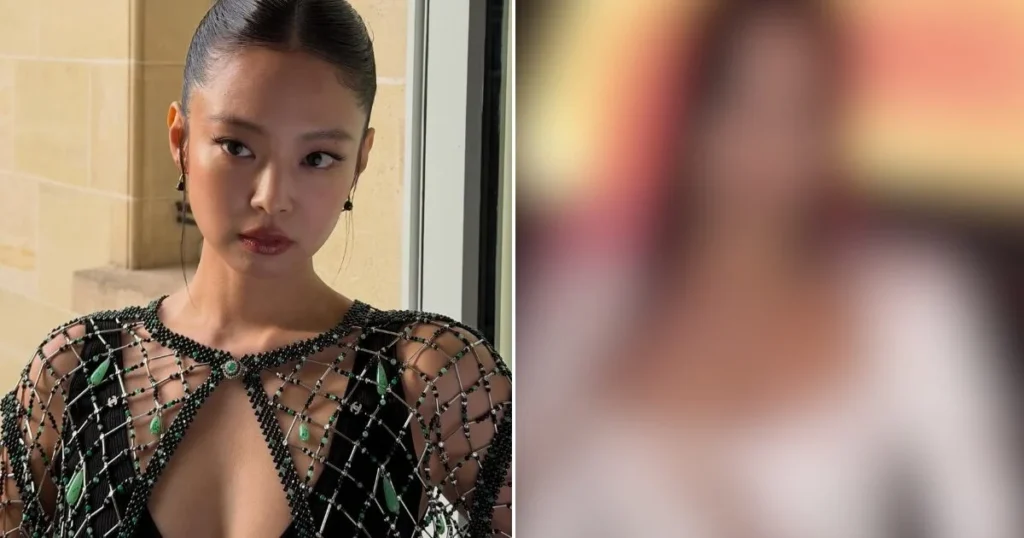

The celebration of Halloween among global entertainment figures frequently invites intense public scrutiny, blending creative expression with cultural expectations. Jennie, a prominent member of the world-renowned K-pop sensation BLACKPINK, recently found herself at the epicenter of a widespread digital debate following the public release of her chosen Halloween costume. What was ostensibly intended as a playful holiday homage quickly evolved into a contentious flashpoint across social media platforms, highlighting the precarious balance high-profile celebrities must navigate between personal artistic choices and public perception.
Main Facts Surrounding the Controversy
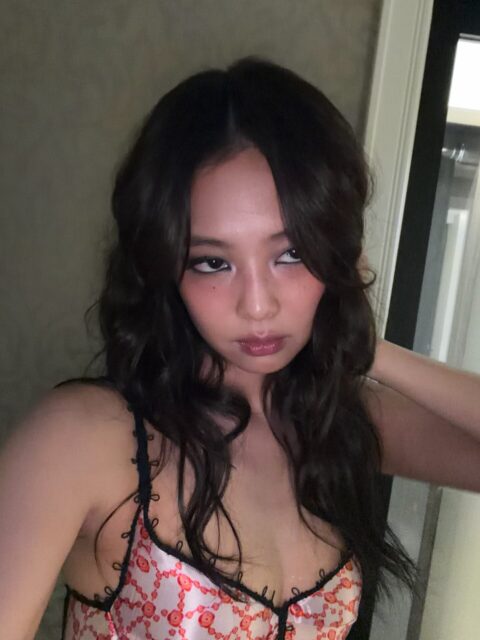
The controversy erupted after Jennie shared photographs of her Halloween ensemble online, revealing her interpretation of the iconic character "Corpse Bride." Rather than adopting the traditional, gothic, and decaying aesthetic associated with the animated cinematic character, the K-pop star opted for a form-fitting, stylized variation that leaned heavily into conventional glamour and modern fashion sensibilities.
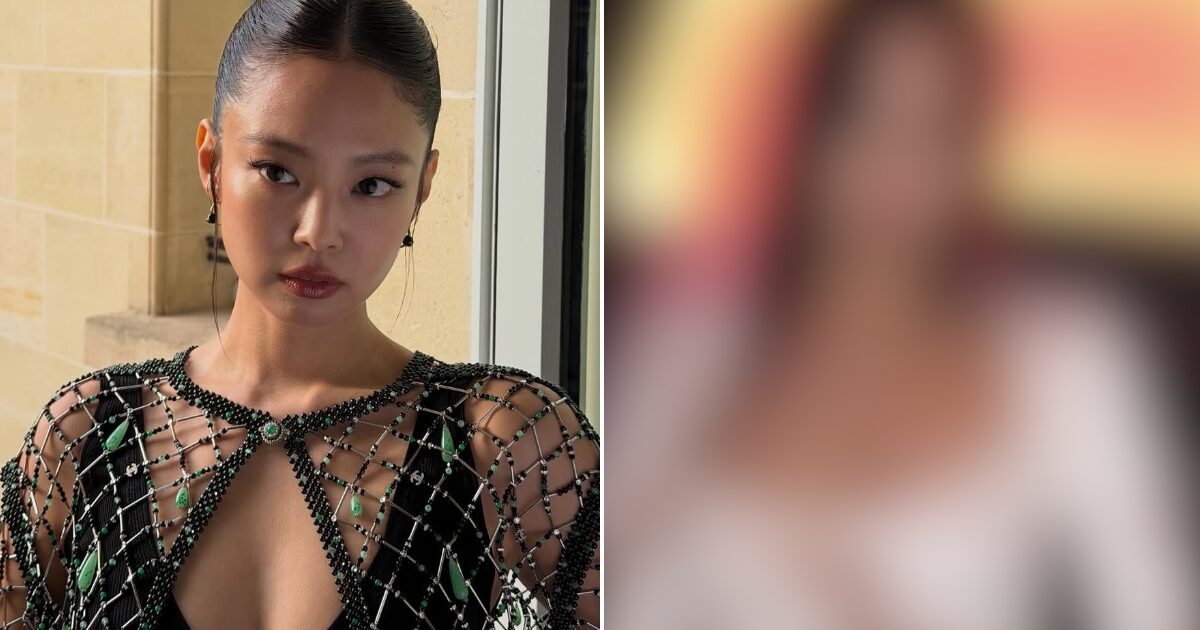
Within hours of the images circulating on platforms such as Instagram and X (formerly Twitter), public reception fractured sharply. While a dedicated segment of her massive global fanbase praised her visual appeal and confidence, a vocal faction of internet users expressed profound disappointment. The criticism largely centered on two distinct grievances: a perceived lack of effort in replicating the source material accurately, and a broader critique regarding the increasing tendency to infuse traditional fictional characters with overtly sexualized undertones.
Chronology of Events
The unfolding of the controversy followed a rapid digital timeline typical of modern celebrity culture:
- Late October: Preparations for private Halloween celebrations take place globally, with various high-profile entertainers teasing or documenting their holiday preparations.
- November 2: Jennie uploads photographs of her costume to her official social media channels, showcasing her Corpse Bride-inspired look. Major music and entertainment update accounts quickly mirror the images, expanding their reach to a broader online audience.
- November 2 to November 3: Public discourse intensifies rapidly. Initial confusion over the accuracy of the costume gives way to pointed criticism. Users begin drawing unfavorable comparisons between the minimalist interpretation of the character and prior public critiques regarding Jennie’s stage presence and performance energy.
- November 3 (Ongoing): The conversation shifts from a debate over costume accuracy to a wider cultural argument regarding the sexualization of fictional tropes in modern pop culture, generating thousands of quote-reposts and critical commentary threads.
Public Reaction and Social Media Discourse
The backlash materialized primarily through viral commentary on social media, where users dissected the aesthetic choices of the idol. A central point of contention was the stark visual deviation from the source material—Tim Burton’s melancholic, skeletal bride character—to a high-fashion, revealing ensemble.

Critics did not hold back in expressing their disillusionment. One widely shared post encapsulate the sentiment of many dissatisfied observers, questioning the fundamental connection to the character by asking, "What part of this is giving Corpse Bride exactly?" Another user drew parallels to unrelated criticisms, writing, "Her costumes are just as lazy as her performances," thereby linking the holiday controversy to ongoing debates surrounding K-pop performance standards.
Furthermore, the critique escalated from a matter of costume execution to an ideological discussion on modern celebrity branding. A prominent post argued that the styling exemplified a wider industry pattern, stating, "Not her trying to make literally everything sexual… it’s giving desperate." This sentiment resonated with numerous commenters who argued that iconic pop culture figures should occasionally embrace playful or frightening holiday traditions without defaulting to conventional glamour standards.
Background Context: Halloween Culture in K-Pop
Halloween has historically occupied a unique space within the South Korean entertainment industry. Major management agencies, entertainment companies, and individual idols routinely participate in the global holiday through themed dance practices, fan meetings, and elaborate costume parties. Historically, these events have been praised for their creativity, humor, and meticulous attention to detail, with idols frequently spending weeks commissioning intricate prosthetic makeup and authentic garments.
In recent years, however, the intersection of Western holiday traditions and K-pop idol branding has faced heightened scrutiny. As idols transition into global fashion icons—frequently maintaining lucrative ambassadorships with luxury French and Italian design houses—their off-stage appearances are increasingly judged through the lens of high fashion rather than casual pop culture fandom. This shift creates elevated expectations, leaving little room for minimalist interpretations without inviting accusations of complacency or commercialized pandering.
Broader Impact and Industry Implications
The adverse reaction to Jennie’s Halloween costume underscores the complex realities faced by top-tier global artists. In an era where digital engagement occurs in real-time across multiple continents, public figures are subjected to microscopic examinations of their creative output.
For Jennie, whose career spans record-breaking musical achievements with BLACKPINK alongside high-profile solo ventures in fashion and acting, every public action serves as a canvas for broader cultural commentary. While temporary social media backlashes rarely result in long-term professional consequences for established superstars, they offer a clear indicator of shifting audience fatigue. Consumers of pop culture increasingly demand authenticity, creativity, and precision—even within lighthearted seasonal contexts—and are increasingly vocal when public figures fall short of those expectations.