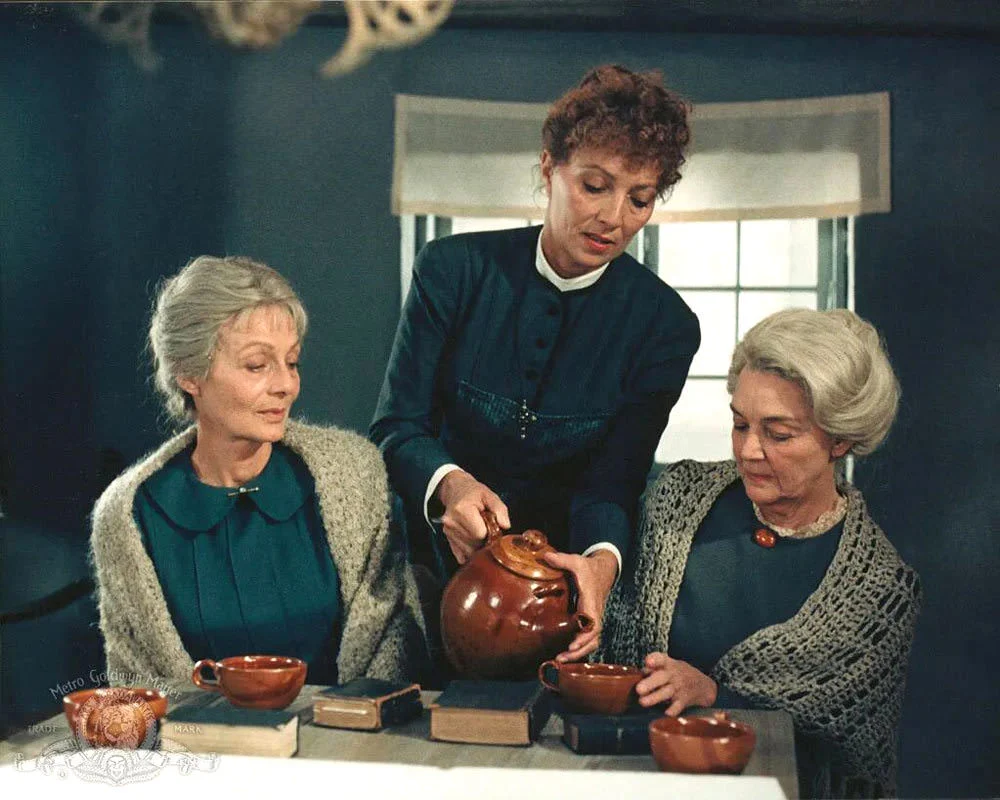

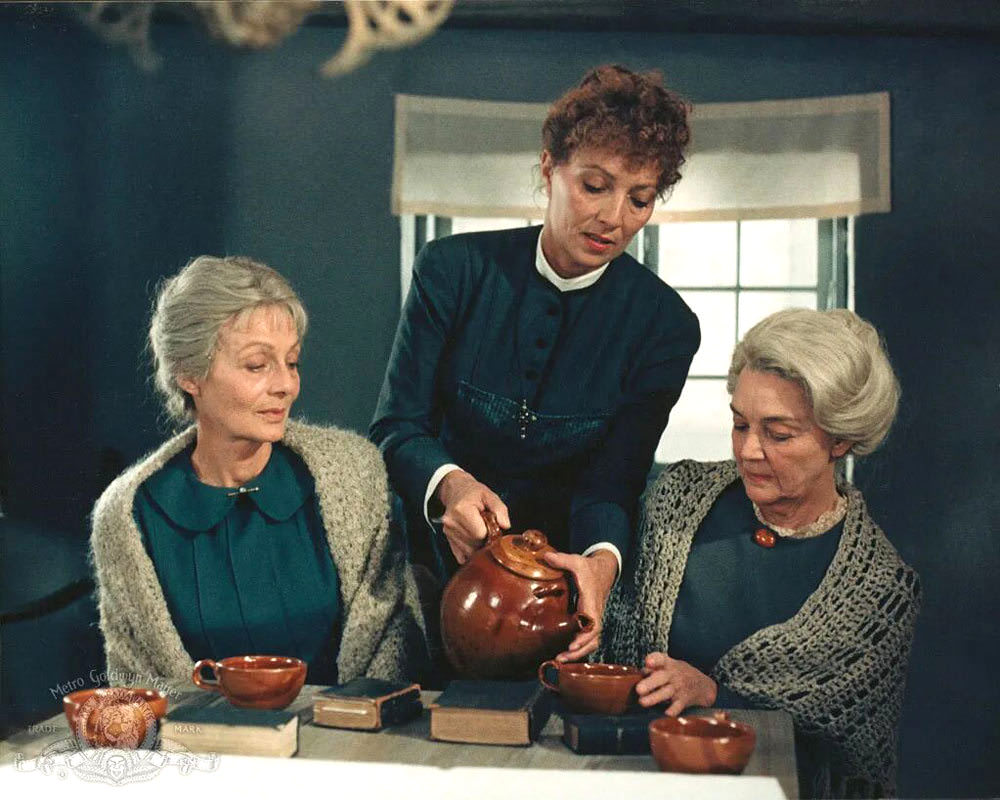
Directed by Gabriel Axel and based on the 1958 short story by Isak Dinesen (the pen name of Karen Blixen), this cinematic masterpiece remains a cornerstone of international film history, particularly noted for its profound exploration of the intersection between art, faith, and the sensory experience of life. Since its debut nearly four decades ago, the film has garnered widespread acclaim, most notably winning the Academy Award for Best Foreign Language Film in 1988, marking a significant milestone for Danish cinema. The narrative follows two aging sisters living in a remote, ascetic religious community on the coast of Jutland, whose lives are irrevocably changed by the arrival of Babette Hersant, a French refugee fleeing the violence of the Paris Commune.
Historical Context and Source Material
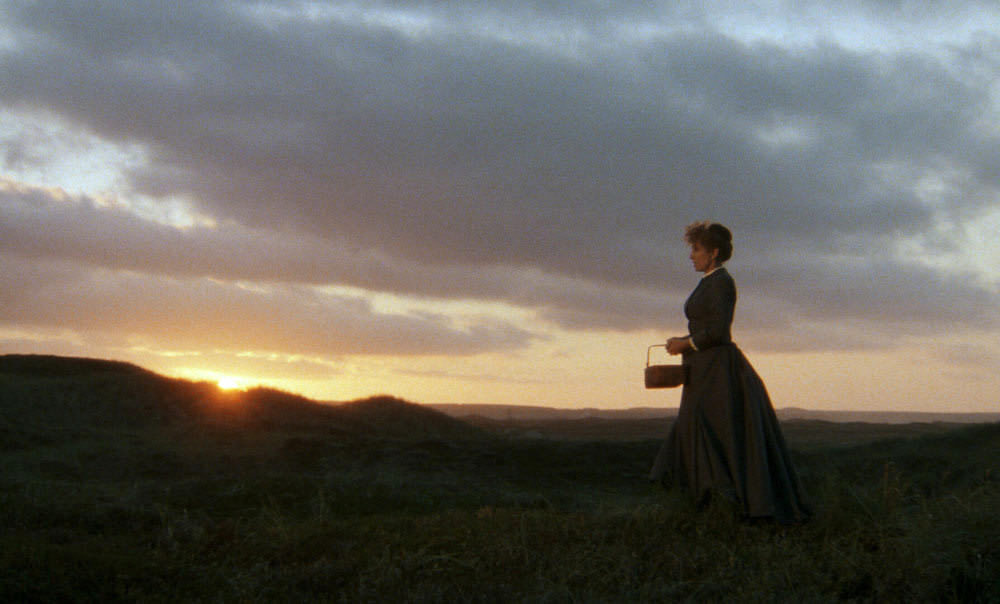
The origins of Babette’s Feast lie in the literary work of Karen Blixen, who wrote the story later in her career while living in Denmark. Though Blixen is perhaps most famous for her memoir Out of Africa, her short stories often delved into the mystical and the ironic. In the original text, the setting was the Norwegian port of Berlevåg, but director Gabriel Axel transitioned the setting to the windswept, grey coastline of Jutland to emphasize the starkness of the Danish Reformation’s influence on the landscape and its people.
The historical backdrop of the film is crucial to understanding the motivations of its title character. Babette arrives in Denmark in 1871, carrying a letter from a former suitor of one of the sisters, Achille Papin. The letter explains that Babette is a refugee of the "Bloody Week" of the Paris Commune, a period of civil war where she lost both her husband and son. This context transforms Babette from a mere domestic servant into a survivor of political upheaval, representing a sophisticated, secular world that stands in total opposition to the sisters’ isolated, pietistic sect.
Narrative Chronology and Structural Development
The film is structured into two distinct halves: the first establishes the history of the sisters, Martine and Filippa, and the second focuses on the preparation and execution of the titular feast.
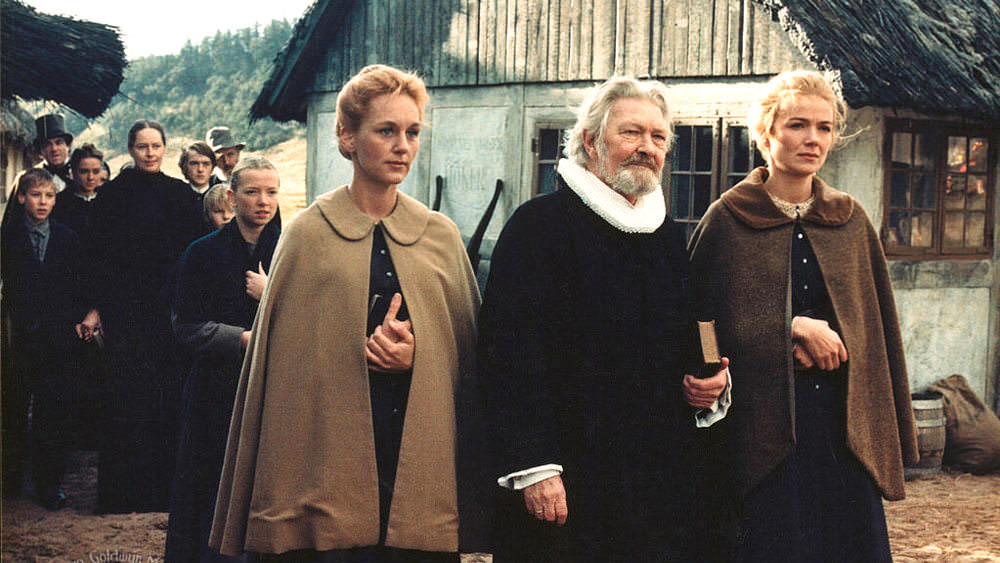
In their youth, the sisters were beautiful and courted by worldly men. Martine was loved by Lorens Loewenhielm, a young cavalry officer who found the religious constraints of the village stifling. Filippa was tutored by Achille Papin, a great French opera singer who saw in her the potential for international stardom. Both sisters ultimately chose to remain with their father, the founder of the sect, choosing a life of service and self-denial over the passions of the world.
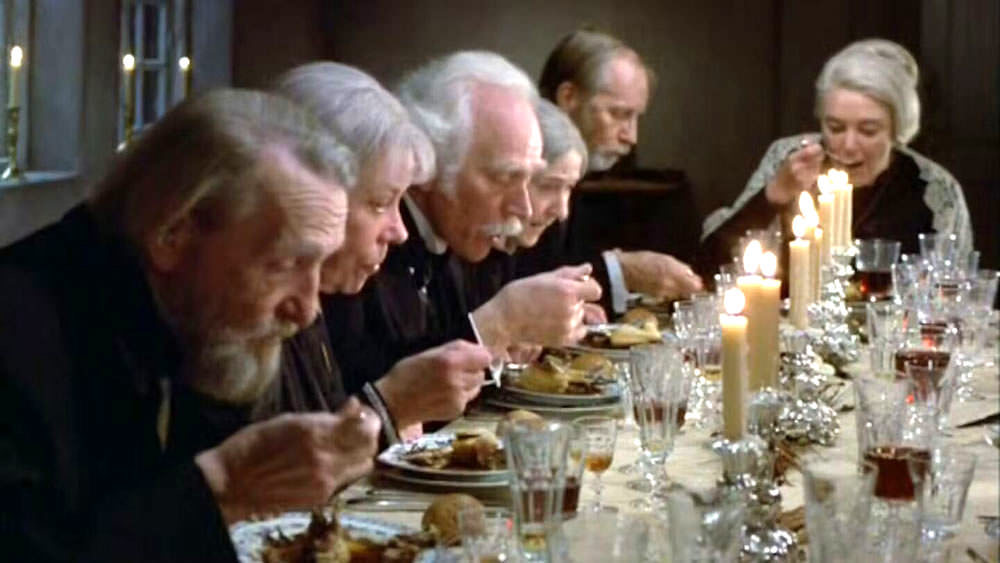
The narrative shifts forward fourteen years into Babette’s tenure as their cook. Having lived a life of quiet servitude, Babette wins 10,000 francs in the French lottery. Rather than using the money to return to Paris, she requests permission to prepare a "real French dinner" to commemorate the 100th anniversary of the sisters’ father’s birth. The climax of the film is the dinner itself, where the aging members of the congregation—who have sworn to eat the meal without comment or pleasure—are slowly transformed by the grace and artistry of Babette’s cooking.
Technical Execution and Visual Artistry
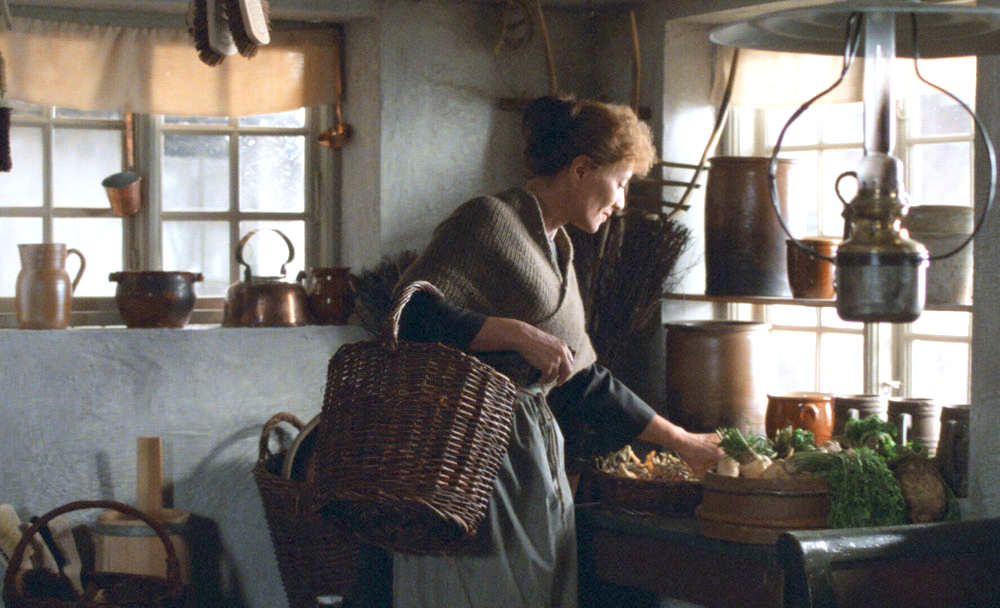
Gabriel Axel’s direction is characterized by a "light touch," avoiding heavy-handed metaphors in favor of atmospheric storytelling. The visual palette of the film shifts significantly as the narrative progresses. The early scenes are dominated by muted greys, browns, and blacks, reflecting the austere lifestyle of the Jutland villagers. This aesthetic has been frequently compared to the paintings of Johannes Vermeer, utilizing natural light to create a sense of quiet, domestic holiness.
As the feast begins, the visual language expands. The arrival of exotic ingredients—including a live turtle, quails, and fine wines—introduces textures and colors previously unseen in the village. The cinematography captures the process of cooking as a sacred rite. The attention to detail in the culinary sequences is not merely for "food porn" appeal; it serves to establish Babette as a consummate artist.
According to production records, the meal was meticulously researched to reflect the high French cuisine of the late 19th century. The menu included:
- Potage à la Tortue: Real turtle soup.
- Blinis Demidoff: Buckwheat pancakes with caviar and sour cream.
- Cailles en Sarcophage: Quail in puff pastry shells with foie gras and truffle sauce.
- Salade de Saison: Seasonal salad.
- Baba au Rhum: Rum-soaked cake with figs and glacéed fruits.
- Wines: Amontillado Sherry, Veuve Clicquot 1860 Champagne, and Clos de Vougeot 1845 Burgundy.
Thematic Analysis: The Theology of Art
One of the most debated aspects of Babette’s Feast is its religious symbolism. Many critics have viewed Babette as a Christ-like figure, providing a "Last Supper" to a group of twelve disciples who do not fully comprehend the sacrifice she has made. By spending her entire fortune on a single meal, she performs an act of total self-giving, proving that "an artist is never poor."
However, Gabriel Axel himself cautioned against over-analyzing the film’s theological underpinnings. In a 1988 interview with Sight & Sound, Axel stated, "It’s a fairy tale, and if you try to over-explain it, you destroy it." This perspective suggests that the film is less about a specific religion and more about the universal power of grace. The villagers, who initially fear the meal as a form of "witchcraft" or sinful indulgence, find themselves reconciled with one another as the wine and food loosen their inhibitions. Old grudges are forgiven, and a sense of communal joy is restored.
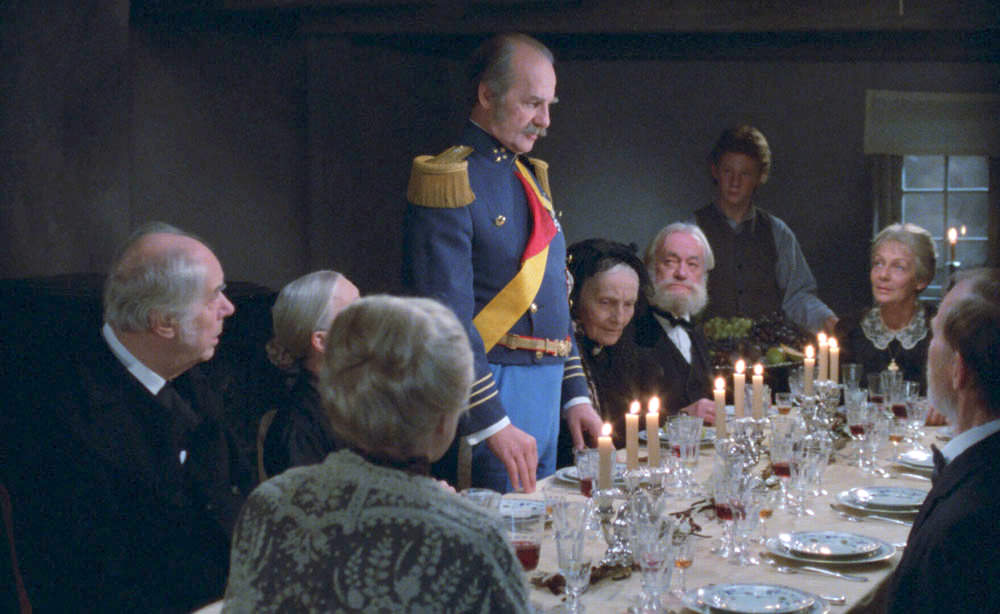
The character of General Loewenhielm serves as the bridge between the two worlds. As the only guest capable of identifying the sophistication of the meal, he acts as the "interpreter" of Babette’s art. His speech at the end of the dinner—remarking that "mercy and truth have met together; righteousness and bliss have kissed"—summarizes the film’s central theme: the reconciliation of the physical and the spiritual.
Critical and Commercial Reception
Babette’s Feast was a landmark success for Danish cinema. At the time of its release, the Danish film industry was struggling to find an international audience. The film’s win at the 60th Academy Awards for Best Foreign Language Film (the first for a Danish film) paved the way for future successes like Pelle the Conqueror (1988).
Critical reception was overwhelmingly positive. The New York Times praised Stéphane Audran’s performance as Babette, noting her ability to convey deep emotion through "beatific stillness." The film currently holds a high rating on various critical aggregators, often cited as one of the greatest "food films" ever made, alongside titles such as Big Night (1996) and Eat Drink Man Woman (1994).
While the film is celebrated for its warmth, some contemporary analyses have noted the inherent sadness in the story. The isolation of the community and the personal sacrifices of Martine and Filippa represent a "stultifying" existence that worldly characters like Papin and Loewenhielm found impossible to endure. The final shot of the film—a candle burning out—serves as a poignant memento mori, reminding the audience that the feast was a fleeting moment of beauty in a life otherwise defined by hardship and the inevitability of death.
Broader Impact and Cultural Legacy
The legacy of Babette’s Feast extends beyond the realm of cinema and into the culinary world. The "Cailles en Sarcophage" (Quails in Sarcophagi) became a legendary dish in high-end restaurants following the film’s release, symbolizing the peak of gastronomic luxury.
More importantly, the film changed how cinema portrays the act of eating. Prior to 1987, food in film was often used for comedic effect or as a background element. Babette’s Feast elevated the meal to a narrative engine, demonstrating that the preparation of food could be as dramatic and meaningful as any traditional conflict.
The film also holds a unique place in religious discourse. It is famously known as one of Pope Francis’s favorite films, cited for its depiction of "the joy of the gospel" and the transformative power of communal sharing. This endorsement has kept the film relevant in discussions regarding the role of art in spiritual life.
Ultimately, Babette’s Feast stands as a testament to the idea that greatness is not measured by fame or wealth, but by the integrity of one’s work and the kindness shown to others. Babette’s final revelation—that she was once the head chef at the Café Anglais in Paris and that she spent her 10,000 francs to create a meal for people who could never repay her—solidifies her status as an artist who understands that the greatest gift one can give is an experience of the sublime. The elderly sisters and their congregation will eventually pass away, and the memory of the meal will fade, but for one night, the boundaries between heaven and earth were, through the medium of a dinner, momentarily dissolved.