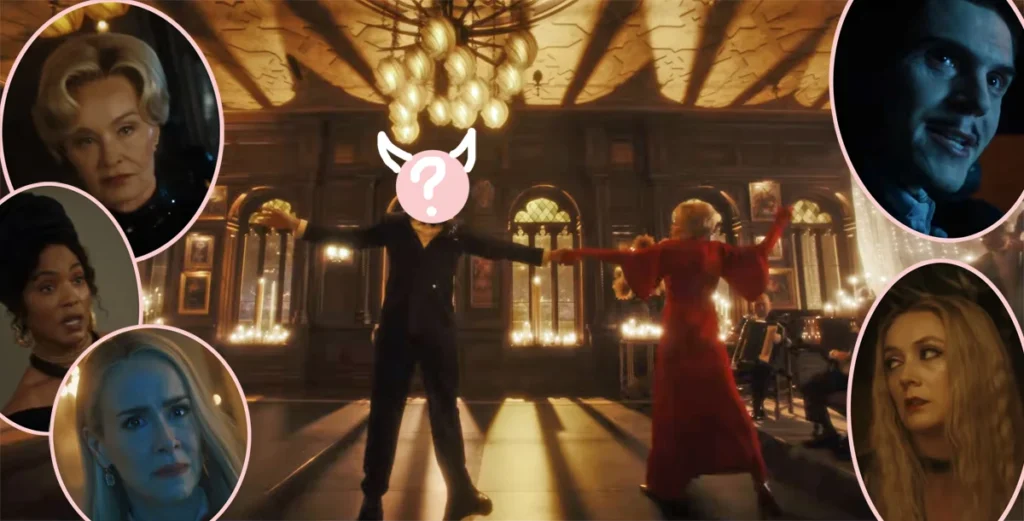

The production of the thirteenth season of FX’s long-running anthology series, American Horror Story, represents a significant milestone in television history. Created by Ryan Murphy and Brad Falchuk, the series has consistently pushed the boundaries of the horror genre since its inception in 2011. With the announcement of the latest season, titled American Horror Story: 13, the showrunners have orchestrated a massive creative reunion, bringing back a constellation of talent that has defined the series’ success over the past decade and a half.
The return of series legends—including Jessica Lange, Sarah Paulson, Evan Peters, Angela Bassett, Emma Roberts, Kathy Bates, and Billie Lourd—serves as both a celebration of the show’s legacy and a narrative convergence point. By reuniting performers who have portrayed various fan-favorite characters across multiple disparate timelines, the production team aims to tie together the loose threads of the AHS multiverse.
A Narrative Escalation: Facing the Devil Himself
The central conceit of this season revolves around an escalation of the series’ established supernatural hierarchy. Historically, the show has explored various manifestations of evil, most notably in the eighth season, Apocalypse, where the narrative focused on the conflict between the witches of the Coven and the Antichrist, Michael Langdon.
Ryan Murphy has publicly signaled that the antagonist for this season occupies a higher tier of malevolence than previously encountered entities. During recent press discussions, Murphy indicated that the protagonists would be forced to look "above the pay grade" of the Antichrist. This creative direction suggests a shift toward a more foundational, biblical form of evil: the Devil himself. The role of this entity is portrayed by Paul Anthony Kelly, whose involvement has been teased through visual symbolism, most notably the recurring motif of the snake.
Chronology and Development of the Franchise
To understand the weight of this thirteenth season, one must look at the trajectory of the franchise. Since the premiere of "Murder House" in 2011, American Horror Story has evolved from a standalone haunted house narrative into an expansive, interconnected universe.
- 2011: The series debuts with Murder House, establishing a cult following.
- 2013: Coven elevates the show’s pop culture status, introducing the concept of recurring actors in new roles.
- 2018: Apocalypse serves as the first major crossover event, linking the plots of Murder House and Coven.
- 2026: American Horror Story: 13 is positioned as the potential grand finale of the anthology, aiming to resolve the overarching conflicts established throughout the series’ history.
The decision to feature "All Stars" from previous seasons follows an industry trend of legacy sequels and high-stakes crossovers. By integrating characters who have met their demise or undergone significant transformations, the series is utilizing a complex narrative structure that rewards long-term viewership while inviting new audiences to witness the climax of a fifteen-year creative project.
Technical Production and Fan Reception
The official trailer for the season has generated significant traction on digital platforms, particularly on FX’s official YouTube channel. The technical presentation, which features rapid-fire editing showcasing Sarah Paulson transitioning through the mannerisms of several of her past characters, has been highlighted by critics and fans alike as a technical achievement in performance and cinematography.
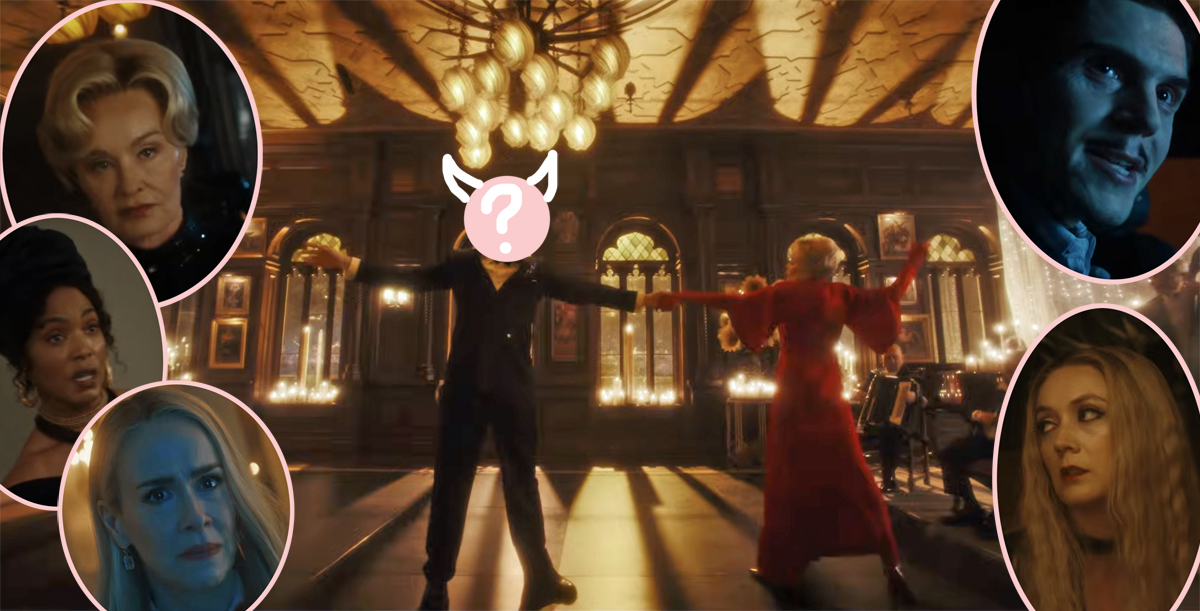
Analytical discourse within fan communities—such as the theory posited by user LBP-v6v regarding the construction of a "vessel" for the Devil—highlights the complexity of the season’s world-building. The hypothesis suggests that the show is utilizing a "gathering of parts," where the essence of past villains is being harvested to create a physical form for the Devil. This theory aligns with the visual cues provided in the promotional material, specifically scenes depicting characters grooming a mysterious, monstrous entity.
Industry Implications and Market Impact
The decision to air the season on both FX and Hulu reflects the broader shift in media distribution. By leveraging the linear reach of FX and the on-demand accessibility of Hulu, the network is attempting to maximize viewership for what is widely perceived to be the series’ swan song.
Data regarding the show’s performance in the streaming era indicates that American Horror Story remains one of the most profitable assets in the FX library. Its ability to maintain high engagement numbers through consistent social media discourse and "meme-ability" ensures its continued relevance in a crowded television landscape. The casting of Paul Anthony Kelly, a performer whose work has spanned diverse genres, adds an element of theatrical gravitas to the role of the Devil, distinguishing this portrayal from the more contemporary or camp-inflected villains of previous seasons.
Thematic Analysis: Why Season 13 Matters
The number thirteen carries inherent cultural weight, often associated with superstition and misfortune. By titling the season "13," the producers are leaning into the meta-narrative of the show’s own longevity. The thematic focus on "all roads leading to this one" suggests a sense of finality. If this is indeed the conclusion of the American Horror Story era, the stakes are elevated from mere physical survival to a metaphysical confrontation.
From a production standpoint, the logistics of coordinating the schedules of such a high-profile cast are immense. The return of Jessica Lange, who has been largely absent from the series in recent years, is particularly notable. Her presence acts as a bridge to the "Golden Age" of the show, providing the gravitas necessary to anchor a narrative involving the literal personification of evil.
Conclusion: Anticipation for the Premiere
As the September 24 premiere date approaches, the anticipation surrounding American Horror Story: 13 continues to build. The show has successfully maintained a level of mystery regarding the specific plot mechanics, allowing for intense audience speculation that drives engagement. Whether the season will successfully synthesize the disparate elements of the franchise into a coherent conclusion remains to be seen, but the sheer ambition of the production is undeniable.
By positioning the series as a battle between the ultimate manifestations of light and dark, Ryan Murphy and his team are attempting to solidify the legacy of American Horror Story as a defining piece of 21st-century horror television. The inclusion of returning fan-favorite characters, the high-stakes narrative trajectory, and the massive scale of the production ensure that this season will be a central topic of conversation throughout the fall television schedule. Whether the finale satisfies the expectations of a decade-long fanbase will be determined in the coming weeks, but for now, the series stands as a testament to the enduring power of the anthology format.