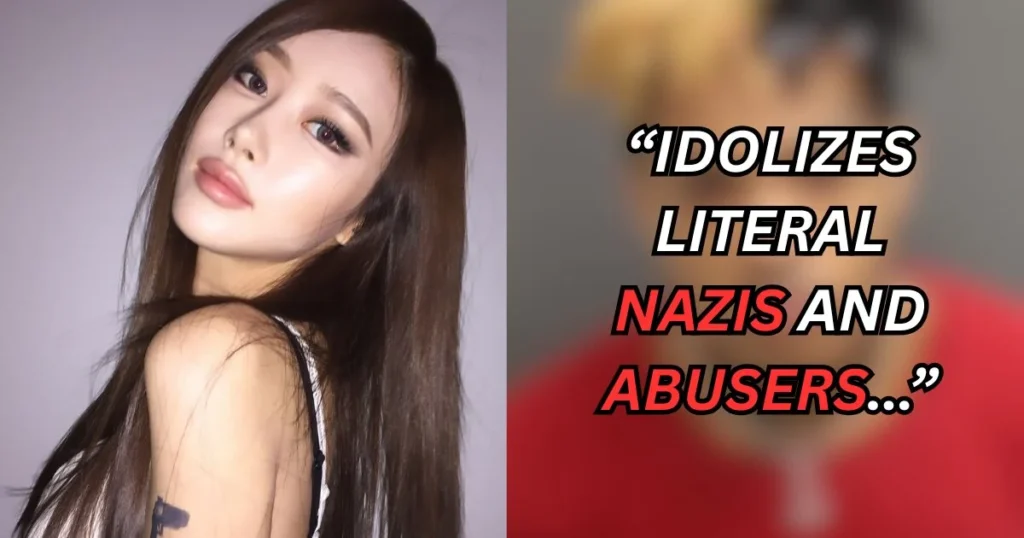

The intersection of K-pop stardom and personal social media expression has once again become a battleground, with aespa member Giselle at the center of a swirling controversy. Over recent weeks, the talented main rapper of one of South Korea’s most prominent fourth-generation girl groups has found her personal Instagram account subjected to aggressive public scrutiny. What began as an unconventional curation of everyday imagery, artistic snapshots, and internet subculture references has quickly escalated into a full-scale public relations challenge. Critics and internet sleuths have dissected her posts, flagging recurrent themes of violence, controversial historical figures, and implicit endorsements of individuals with troubled legal pasts. As the debate polarizes the global fandom, the situation highlights the delicate and often perilous tightrope K-pop idols walk when attempting to maintain an authentic, unfiltered online persona within the rigid confines of the international public eye.
Chronology of the Controversy and Disputed Posts
The scrutiny surrounding Giselle’s social media presence did not materialize overnight; rather, it accumulated through a series of incremental digital footprints that gradually alarmed a segment of the online community. The timeline of criticism intensified in late August and peaked in mid-September 2026, as observant users began compiling screenshots and drawing connections between disparate elements of her feed.
The primary catalyst for the backlash involved the incorporation of music and imagery associated with figures plagued by severe legal and personal controversies. Among the most highlighted points of contention was Giselle’s use of tracks by the late American rapper XXXTentacion. While the artist achieved immense commercial success and a cult following prior to his fatal shooting in 2018, his legacy remains profoundly tarnished by severe allegations of domestic abuse, aggravated battery of a pregnant partner, and false imprisonment. Although he vehemently denied the charges during his lifetime, the subsequent public release of secret audio recordings containing damaging statements further cemented his controversial status. For many critics, featuring his music or referencing his likeness—such as past instances involving his mugshot—crossed a line from artistic appreciation into the endorsement of violence against women.
Compounding these concerns, users quickly pointed to additional controversial references. Giselle shared content featuring music by the rock band Creed, whose frontman, Scott Stapp, faced domestic abuse charges following a 2007 incident involving an altercation with his wife. Furthermore, eagle-eyed critics flagged aesthetic choices involving recurring motifs of firearms, simulated or stylistic representations of blood, and historic outlaws Bonnie and Clyde. While the notorious American criminal duo has served as a staple trope in pop culture, cinema, and fashion for decades—often romanticized as rebellious antiheroes—detractors argued that platforming figures responsible for a violent crime spree resulting in thirteen deaths was inappropriate and insensitive for a public figure with millions of young, impressionable followers.
The Clash of Cultures: Edgy Aesthetic Versus Idol Responsibility
The core of the public debate hinges on fundamentally contrasting interpretations of Giselle’s digital footprint. On one side of the discourse, critics view her posts through a strict lens of social responsibility and corporate accountability. Detractors argue that as a global celebrity representing major luxury brands and a leading entertainment entity, Giselle possesses a platform that demands mindfulness regarding the themes she amplifies. Critics on platforms such as X (formerly Twitter) have expressed disbelief, accusing the singer of romanticizing domestic abusers, gun violence, and criminal behavior under the guise of an alternative or "edgelord" internet aesthetic. For these observers, the inclusion of such imagery is not merely harmless youthful expression, but a troubling pattern that normalizes harmful actions.

Conversely, a robust defense network mobilized rapidly among aespa’s international fanbase, known collectively as MY. Supporters strongly pushed back against the wave of criticism, characterizing the backlash as an overreaction driven by bad-faith actors seeking to manufacture a scandal out of standard artistic expression. Defenders pointed out that alternative subcultures, vintage aesthetics, and ironic internet humor frequently borrow from dark, gritty, or historical motifs without endorsing the underlying actions of historical or public figures.
Furthermore, supporters dismantled several specific claims made by critics, clarifying that items misconstrued as "blood" on clothing were actually the result of casual painting activities shared with fellow bandmate Ningning, and that props like toy guns are standard stylistic elements within modern alternative fashion circles. Fans argued that netizens were holding Giselle to an impossible standard, policing her personal taste and demonizing a 25-year-old artist simply for exercising individuality and refusing to conform to the sanitized, pristine archetype historically demanded of K-pop idols. They contend that the public frequently begs for idols to display genuine personality and distinct tastes, only to weaponize those very traits when they diverge from mainstream comfort zones.
Broader Implications for K-Pop Idols and Social Media Governance
This controversy casts a wider lens on the evolving relationship between K-pop agencies, their artists, and the digital landscape. In the early eras of the Korean wave, talent management companies maintained near-absolute control over every piece of media consumed or produced by their idols, resulting in highly curated, risk-averse public personas. However, as fourth-generation groups like aespa achieve unprecedented global integration, members have increasingly sought avenues for personal expression, frequently adopting Western social media habits characterized by curated aesthetics, mood boards, and off-the-cuff storytelling.

The incident involving Giselle underscores the inherent vulnerabilities of this transition. When an idol steps outside the traditional, company-vetted promotional cycle to curate a personal grid, they invite direct interpretation from a global audience that evaluates every pixel through a sociopolitical framework. Western fandoms, in particular, often apply stringent accountability standards regarding the endorsement of controversial figures—standards that can clash sharply with South Korea’s domestic entertainment culture, where artistic references are often evaluated differently or viewed through a purely aesthetic lens.
As the discussion continues to evolve across online forums, neither SM Entertainment nor Giselle has issued an official statement addressing the specific aesthetic choices or the resulting public outcry. Historically, entertainment agencies tend to weather such digital storms by allowing fan discourse to run its course unless legal lines are crossed or severe commercial fallout materializes. Nevertheless, the episode serves as a clear cautionary tale for the industry at large. It illustrates that as K-pop continues its march toward total global ubiquity, the boundaries separating personal artistic expression, cultural context, and corporate responsibility will remain fiercely contested terrain.