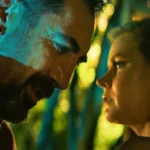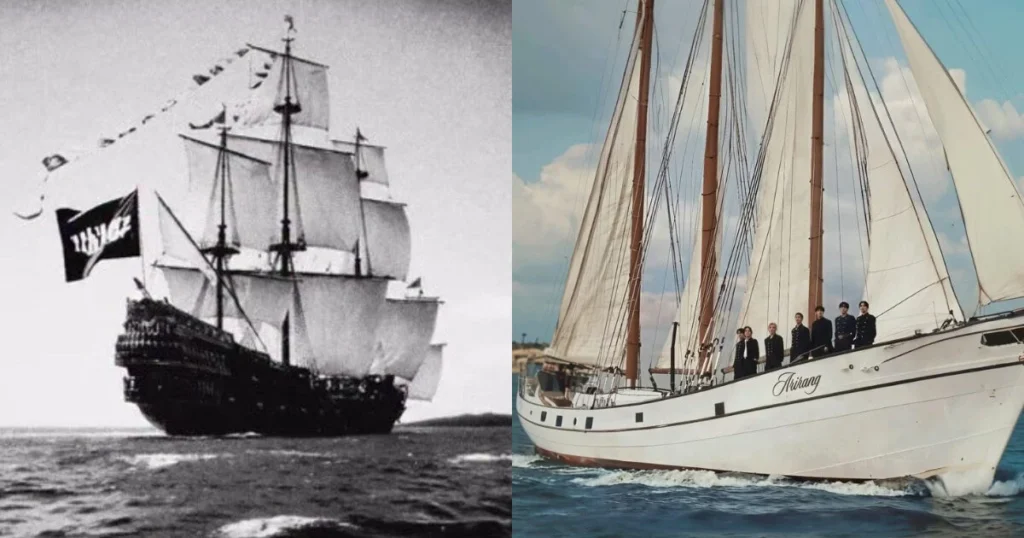

The global K-pop community has found itself embroiled in a heated discourse following the release of promotional material for NCT leader Taeyong’s upcoming solo project. On May 7, 2026, SM Entertainment unveiled "WYLD" Clip pt. 5, a teaser video intended to generate anticipation for Taeyong’s first full-length studio album, titled WYLD. However, the promotional cycle was quickly overshadowed by allegations of visual plagiarism originating from segments of the BTS fandom, known as ARMY. The controversy centers on the inclusion of maritime imagery—specifically a ship—which some observers claim bears a striking resemblance to visual motifs used in recent BTS projects, including the "Swim" music video and the "Arirang" release.
The dispute highlights the increasingly volatile nature of intellectual property discourse within the K-pop industry, where fans often act as self-appointed guardians of their favorite artists’ creative signatures. While the accusations have gained significant traction on social media platforms like X (formerly Twitter), they have been met with a robust defense from NCT’s fanbase, the NCTzens. The counter-argument posits that the maritime theme is not only a common trope in global media but is uniquely significant to Taeyong, given his recent completion of mandatory military service in the Republic of Korea Navy.
Chronology of the Dispute
The timeline of the controversy began on the evening of May 7, 2026, when the official NCT social media accounts posted a 15-second teaser clip for WYLD. The video featured high-concept cinematography, a hallmark of the "Neo" aesthetic associated with NCT 127, and included a brief shot of a ship. Accompanying the video was the announcement that the album is scheduled for release on May 18, 2026, at 6:00 PM KST, along with the cryptic tagline, "EVERYTHING, ALL AT ONCE, NEO."
Within hours of the post, side-by-side comparisons began circulating online. By May 10, 2026, the discourse reached a fever pitch. Critics pointed to BTS’s "Swim" music video, asserting that the lighting, framing, and the specific use of a vessel as a central prop in Taeyong’s teaser were derivative. One viral post suggested that the props used in Taeyong’s video appeared to be "50% sale" versions of BTS’s equipment, while another commenter lamented that BTS’s "Arirang" was being imitated less than a year after its debut.
The backlash prompted an immediate response from NCTzens. On May 10, fans began documenting the history of nautical themes in entertainment to demonstrate that no single artist can claim ownership over ship-based imagery. The defense emphasized two primary points: the universality of the concept and the personal biographical context of the artist in question.
The Intersection of Art and Military Service
A central pillar of the defense for Taeyong is his personal history. Lee Tae-yong enlisted in the Republic of Korea Navy in April 2024, serving as a member of the Navy’s military band. His discharge in late 2025 marked the beginning of his transition back into full-time musical activities. For many fans, the use of a ship in the WYLD teaser is an intentional "easter egg" or a tribute to his 18 months of active duty.
"The man spent almost two years of his life in the actual Navy and can’t even use a ship in his album imagery?" one fan questioned in a post that garnered thousands of interactions. This sentiment reflects a broader frustration among NCTzens who feel that the plagiarism allegations ignore the artist’s lived experience. In the context of K-pop, where idols often incorporate their personal growth and military hiatuses into their narrative branding, the maritime theme is viewed by many industry analysts as a logical and authentic progression for Taeyong’s solo identity.
Analyzing the "Plagiarism" Claims in the K-pop Context
The K-pop industry is no stranger to allegations of visual copying. As the genre becomes more saturated and production values reach cinematic heights, the overlap in aesthetic choices is almost inevitable. Concepts such as "cyberpunk," "high school romance," and "nautical adventure" are considered genre staples rather than proprietary intellectual property.
In this specific instance, the "Swim" music video by BTS—which the prompt suggests is a high-water mark for maritime visuals in 2025/2026—utilizes ships as a metaphor for journey and resilience. However, music critics note that ships have been used similarly by dozens of artists over the decades. From ATEEZ’s pirate-themed discography to VIXX’s "Love Me Do" and even Western artists like Duran Duran or Taylor Swift, the ocean and its vessels are universal symbols.
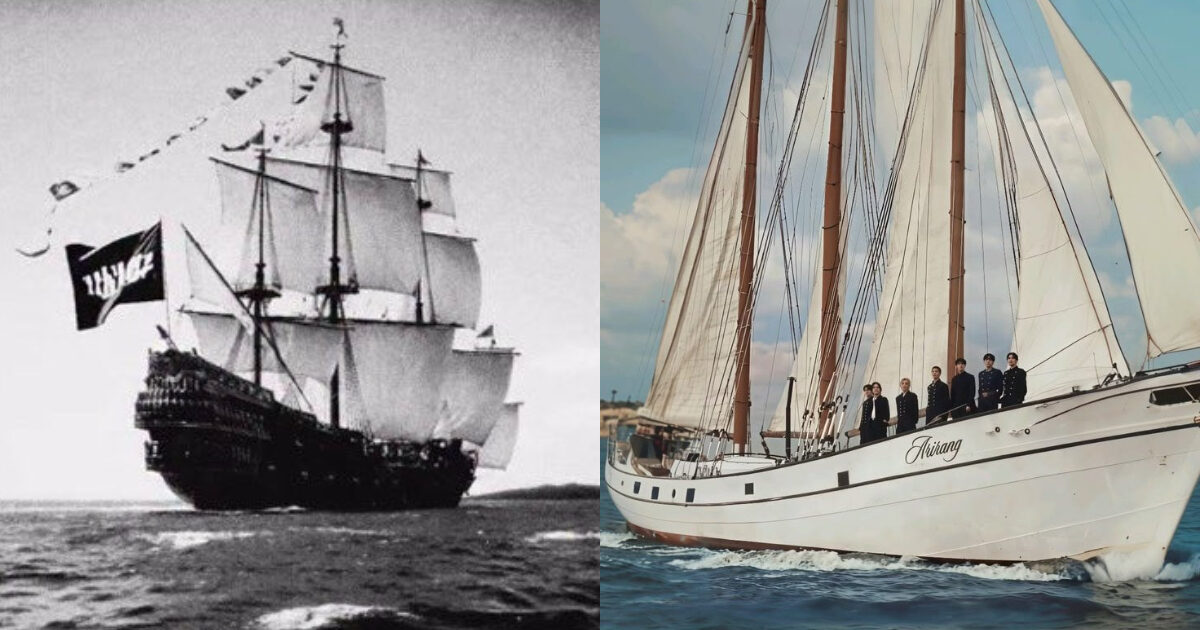
The argument that Taeyong’s teaser is a "cheap" version of BTS’s work is categorized by some sociologists of fandom as "gatekeeping." This phenomenon occurs when a dominant fandom attempts to claim a concept as the exclusive domain of their idol, thereby delegitimizing the work of others who use similar themes.
Fandom Volatility and Social Media Impact
The intensity of the May 10 social media clash provides a snapshot of the current state of K-pop fan relations. The discourse quickly devolved from artistic critique into personal insults between the two fandoms. Some NCTzens accused ARMYs of being overly "tuned in" to NCT’s activities despite BTS being in the midst of their own high-profile world tour and album cycle. Conversely, the accusations against Taeyong were often framed in language that questioned the creative integrity of SM Entertainment as a whole.
Data from social media monitoring tools indicated that the hashtags #TAEYONG and #TAEYONG_WYLD saw a significant spike in mentions between May 8 and May 11, though a substantial percentage of that traffic was driven by the controversy rather than pure promotional hype. While "negative" engagement is often viewed as a detriment, in the attention economy of 2026, such controversies frequently result in higher visibility for the artist, potentially leading to increased streaming numbers upon the album’s release.
Official Responses and Industry Implications
As of the time of reporting, SM Entertainment has not issued a formal statement regarding the plagiarism allegations. Historically, the agency has opted to remain silent on fandom-led disputes unless they escalate to legal challenges involving copyright infringement. The "Neo" concept that NCT embodies is built on the idea of experimentalism and the recontextualization of existing cultural tropes, which the agency likely views as a defense in itself.
Industry insiders suggest that the WYLD album is a pivotal moment for Taeyong. As the first member of NCT to release a full-length solo album following military service, the pressure to deliver a unique visual and sonic identity is immense. The "Everything, All at Once" tagline suggests a maximalist approach, possibly blending various stages of his career—from his "The 7th Sense" debut to his naval service—into a single cohesive narrative.
Broader Impact on Creative Freedom in K-pop
The controversy surrounding Taeyong’s teaser raises important questions about creative freedom in an era of hyper-vigilant digital fandoms. If common objects like ships, cars, or specific color palettes become "off-limits" because a major group used them recently, the creative palette for other artists shrinks significantly.
Legal experts in intellectual property note that for a claim of plagiarism to hold weight, there must be a "substantial similarity" that goes beyond a shared theme. This would require proving that the specific composition, lighting, choreography, and narrative structure were copied. A one-second clip of a ship in a teaser is generally insufficient for a legal claim, though it remains a powerful tool for social media narrative-building.
Conclusion: The Road to May 18
Despite the online friction, anticipation for WYLD remains high. Pre-order data suggests that the album is on track to become one of the best-selling solo releases of the year, bolstered by Taeyong’s strong domestic and international fanbase. The controversy, while divisive, has underscored the deep emotional connection fans have with his journey, particularly his transition from sailor to soloist.
As May 18 approaches, the focus is expected to shift from the teaser imagery to the musical content of the album. Whether WYLD will silence the critics or provide more fuel for the debate remains to be seen. However, the incident serves as a reminder that in the modern K-pop landscape, an artist’s work is never viewed in a vacuum; it is constantly weighed against the giants of the industry, the history of the genre, and the personal experiences of the performer. For Taeyong, the ship in his teaser may not just be a prop, but a symbol of his return to the helm of his own career after years of service to his country.