
The annual Met Gala, revered globally as fashion’s preeminent event, traditionally maintains an impenetrable veil of exclusivity once guests cross the threshold of The Metropolitan Museum of Art in New York City. For decades, the rigorous no-phone policy enforced inside the museum has ensured that the internal proceedings remain largely the domain of its highly select invitees, cultivating an aura of mystique that few other public events can rival. However, in an era dominated by instantaneous digital sharing, this strict adherence to privacy has seen subtle shifts, with Vogue strategically offering controlled glimpses, even as the persistent allure of unofficial social media leaks continues to offer candid, often viral, peeks into the industry’s most star-studded gathering. The 2026 iteration proved no exception, blending the expected high-fashion spectacle with unanticipated musical collaborations and an intricate behind-the-scenes orchestration.
The Enduring Allure of Exclusivity: A Met Gala Tradition

Since its inception in 1948 by fashion publicist Eleanor Lambert, the Met Gala, originally known as the Costume Institute Gala, has evolved from a local charity dinner into a global cultural phenomenon. Its primary purpose remains unwavering: to serve as the principal fundraising event for the Metropolitan Museum of Art’s Costume Institute, an institution dedicated to preserving and celebrating the history of fashion. Under the formidable leadership of Vogue‘s Editor-in-Chief Anna Wintour since 1995, the gala has been meticulously transformed into an annual spectacle, merging high art with high fashion and A-list celebrity. Each year, a specific theme is chosen, corresponding to the Costume Institute’s spring exhibition, dictating the dress code and inspiring the avant-garde sartorial expressions seen on the iconic red carpet. This strategic alignment elevates fashion beyond mere clothing, positioning it firmly within the realm of fine art and cultural commentary.
The strict no-phone policy inside the museum is not merely an arbitrary rule but a foundational element of the Met Gala’s mystique. It is designed to encourage genuine interaction among attendees, foster an intimate atmosphere, and protect the integrity of the art exhibition, which guests are invited to preview. Furthermore, it safeguards the exclusive content, ensuring that official narratives are carefully managed. Yet, the very presence of hundreds of the world’s most recognizable faces inevitably creates moments that transcend these regulations, giving rise to iconic, albeit unsanctioned, social media phenomena, such as the infamous Met Gala bathroom selfies, which have become a cherished part of the event’s modern folklore. In recent years, Vogue has responded to this digital demand by offering its own curated internal photography and video, striking a delicate balance between preserving exclusivity and engaging a global audience hungry for insider content. This strategic shift allows for a degree of controlled narrative, ensuring that certain moments are officially documented while still preserving the overall sense of privilege.
The 2026 Theme: "Fashion Is Art" and "Costume Art" Exhibition

The 2026 Met Gala adopted the profoundly conceptual theme of "Fashion Is Art," a directive that challenged designers and attendees alike to interpret the profound intersection of sartorial expression and artistic creation. This theme served as a direct complement to the Costume Institute’s accompanying exhibition, titled "Costume Art." The exhibition’s official description elucidated its ambitious scope: "examining the centrality of the dressed body throughout time and culture, juxtaposing garments and works of art from across the Museum’s vast collection to create pairings that highlight the indivisible connection between clothing and the body." This curatorial approach encouraged guests to view their ensembles not just as outfits, but as living, breathing installations, deeply connected to historical and artistic precedents.
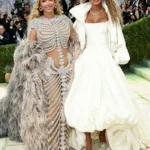
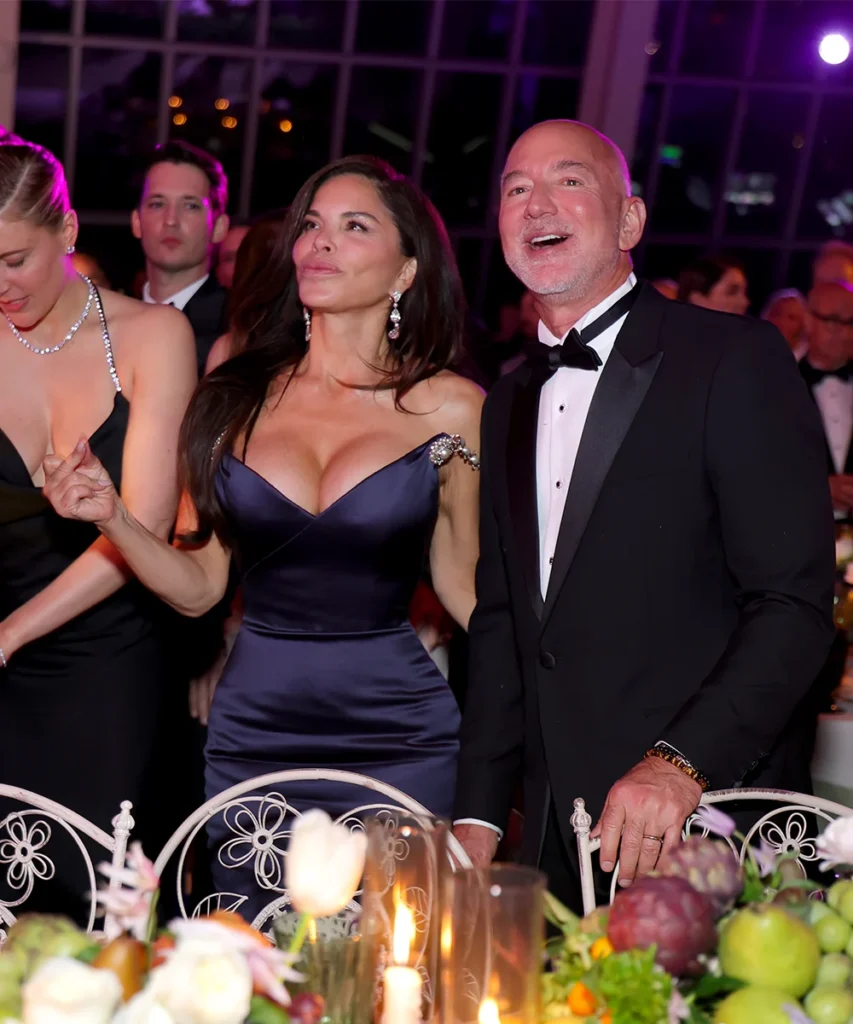
The leadership for the 2026 event reflected its stature, with an illustrious roster of co-chairs including music icon Beyoncé, Academy Award-winning actress Nicole Kidman, tennis legend Venus Williams, and the ever-present guiding force, Anna Wintour. Adding significant influence as honorary chairs were business magnate Jeff Bezos and his partner Lauren Sánchez Bezos, underscoring the event’s broad appeal across entertainment, sports, fashion, and industry. These individuals play crucial roles in shaping the guest list, securing sponsorships, and setting the overall tone for the evening, ensuring its continued relevance and financial success.
A Symphony of Stars: Musical Performances and Elite Mingling

Beyond the red carpet’s visual spectacle, the Met Gala is renowned for its surprise musical performances, which invariably become a highlight of the evening, prompting A-list guests to shed their inhibitions and take to the dance floor. Over the years, the gala has hosted an impressive lineup of global superstars, with past performers including Ariana Grande, Madonna, Rihanna, Lady Gaga, and Justin Bieber, each adding their unique flair to the night’s entertainment. The 2026 gala continued this tradition with an electrifying double bill that captivated attendees.
Grammy winner Sabrina Carpenter, fresh off her widely acclaimed headlining performance at Coachella, emerged as one of the night’s central performers. As a member of this year’s host committee, her presence was particularly significant. Videos that quickly circulated on X (formerly Twitter) from inside the event revealed Carpenter commanding the stage situated in front of the Met’s iconic Temple of Dendur. Her initial appearance showcased a vibrant, colorful ensemble, later transitioning into a dazzling fringed golden dress, perfectly complementing her energetic delivery. Vogue reported that Carpenter enchanted the audience with a selection of her biggest hits, including "House Tour," "Espresso," and "Please, Please, Please," solidifying her status as a pop sensation.
The musical journey took an iconic turn with the appearance of legendary Fleetwood Mac frontwoman Stevie Nicks. Her performance brought a timeless rock ‘n’ roll sensibility to the opulent setting, enchanting the star-studded crowd with renditions of her classics, "Gypsy" and "Edge of Seventeen." The evening reached a poignant crescendo when Nicks was joined on stage by Sabrina Carpenter for an extraordinary intergenerational collaboration. Together, they performed "Landslide" and "Don’t Stop Thinking About Tomorrow," creating a memorable moment that bridged decades of musical influence and showcased the power of collaborative artistry. This pairing underscored the Met Gala’s unique ability to bring together diverse talents from across the cultural spectrum.

Before the musical performances and formal dinner, guests were afforded the exclusive opportunity to explore the "Costume Art" exhibition. This initial mingling period is a crucial component of the gala, allowing celebrities, designers, and cultural luminaries to connect, share insights, and engage in candid conversations away from the immediate glare of the public eye. These interactions, often captured in candid photographs later released by Vogue, provide rare glimpses into the informal dynamics among industry titans. The main event then transitions to the meticulously arranged dining area surrounding the Temple of Dendur, where every detail, from the decor to the seating, is curated with precision.
Sache Taylor, Vogue‘s director of special events, offered rare insight into the intricate process behind the gala’s seating chart, a task that demands both strategic foresight and an acute understanding of social dynamics. Taylor previously shared, "We spend a great deal of time thinking about who is sitting next to whom – ideally pairing people who will have an immediate connection, or perhaps discover they have more in common than they realized." This meticulous approach aims to foster stimulating conversations and create unexpected alliances. Crucially, Taylor added that ensuring "everyone has a good view of the stage" and avoiding seating guests next to "a former flame" are paramount considerations, highlighting the delicate balance of logistical and personal factors at play. The resulting photographs reveal an unparalleled tableau of celebrity interaction, with figures like Venus Williams, Nicole Kidman, and Beyoncé conversing on stage; Jeff Bezos and Lauren Sánchez Bezos engaged in discussion; Zoë Kravitz, Lily-Rose Depp, and Gracie Abrams sharing a table; Rosé and Lisa of BLACKPINK interacting; and a power table featuring Colman Domingo, Michael Braun, Kris Jenner, Anne Hathaway, Stella McCartney, and Greta Gerwig. Even Rihanna, Heidi Klum, and A$AP Rocky were captured mingling, showcasing the unparalleled cross-section of global talent present.
A Northern Italian Culinary Journey: The Gala Dinner

The thematic integration of the Met Gala extends beyond fashion and performances to the very design and dining experience. For the 2026 event, the interior decor, masterfully conceived by Raúl Ávila and Derek McLane, drew inspiration from the serene and elegant landscapes of Northern Italian gardens. This aesthetic choice created an immersive environment, transforming the museum’s grand spaces into a verdant, sophisticated dining hall.
The culinary journey, orchestrated by Olivier Cheng Catering and Events, mirrored this refined theme. Celebrity guests were treated to a carefully curated three-course meal designed to evoke the flavors and sophistication of Northern Italy. The dinner commenced with a fresh burrata appetizer, followed by a succulent main course featuring a rack of lamb accompanied by morel panna cotta, Parmesan gnocchi, and a vibrant medley of asparagus, carrots, spring peas, and fresh mint. The experience culminated with three distinct dessert dishes, ensuring a sweet conclusion to the gastronomic adventure, as detailed by Vogue.
While the exquisite flavors of this bespoke meal remained exclusive to the gala’s attendees, the possibility of a "secret food review" from an intrepid guest added an element of playful anticipation. Last year, Megan Thee Stallion famously circumvented the no-phone policy to offer her candid thoughts on the gala’s menu, a moment that quickly went viral and underscored the public’s insatiable curiosity about every aspect of the exclusive event. The expectation that a similar moment might occur in 2026 kept social media users "tuned in," hoping for an unauthorized glimpse into the culinary critiques of their favorite stars.

Broader Implications and Cultural Impact
The Met Gala’s enduring significance transcends its annual spectacle. It serves as a vital financial lifeline for the Costume Institute, funding its exhibitions, acquisitions, and conservation efforts, thereby playing a critical role in the preservation and academic study of fashion history. The event’s consistent ability to draw global attention reinforces the notion of fashion as a legitimate and dynamic art form, fostering critical discourse and public appreciation that extends far beyond the red carpet.
The carefully managed balance between strict secrecy and strategic media glimpses also highlights the evolving dynamics of celebrity culture and digital engagement. By controlling the narrative through official Vogue content while implicitly acknowledging the occasional, viral leak, the Met Gala maintains its coveted mystique while simultaneously catering to the demands of a social media-driven world. This dual approach ensures that the event remains relevant, continually captivating audiences and reinforcing its status as a benchmark in global fashion and cultural commentary. The convergence of art, philanthropy, and celebrity makes the Met Gala not just a party, but a powerful cultural institution, shaping trends, influencing discourse, and cementing its place as an unparalleled annual highlight on the international stage.