
Overview of the Controversy and Initial Public Reaction
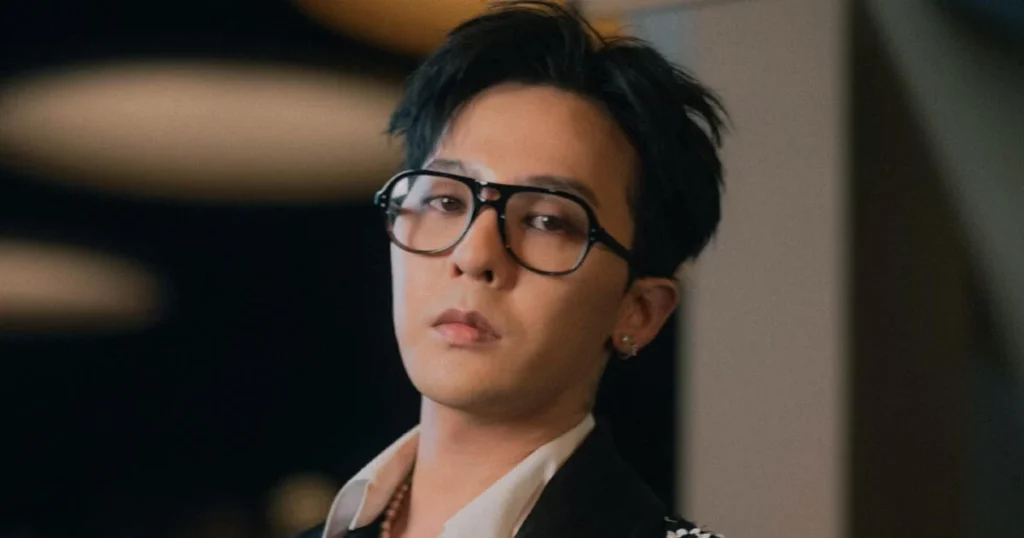
The Macau K-SPARK event was intended to be a celebratory return to the stage for G-Dragon, who has long been hailed as the "King of K-pop" and a pioneer in the fusion of music and high fashion. However, the performance was quickly overshadowed when high-resolution photographs and fan-captured videos began circulating on social media platforms such as X (formerly Twitter), Instagram, and TikTok. Observers quickly identified a specific piece of clothing in the artist’s ensemble that featured a racial slur historically used to dehumanize and oppress Black individuals.
The reaction from the global fanbase was immediate and polarized. While some supporters argued that the artist might have been unaware of the word’s connotation or that the garment was a piece of "edgy" streetwear provided by a third-party stylist, a significant portion of the international community expressed profound disappointment. Given G-Dragon’s long-standing influence in the fashion world and his frequent collaborations with Western artists and luxury houses, critics argued that a lack of awareness was an insufficient excuse for such a visible oversight. By the morning of May 3, hashtags related to the incident were trending globally, with many fans calling for a direct explanation from both the artist and his management.
Chronology of Events
The timeline of the incident reflects the rapid pace at which cultural controversies now escalate in the digital age:
- May 2, 2026: G-Dragon performs at the K-SPARK event in Macau. During the set, he wears a multi-layered outfit that includes the controversial text.
- May 2 (Late Evening): International fans begin posting close-up images of the outfit, highlighting the slur. Discussions regarding the appropriateness of the attire spread through K-pop community forums and social media.
- May 3, 2026: The controversy gains mainstream media attention. International outlets report on the backlash, noting the contrast between G-Dragon’s status as a global fashion ambassador and the nature of the garment.
- May 4, 2026: Galaxy Corporation, G-Dragon’s management agency, releases an official statement in multiple languages to address the situation and offer a formal apology.
Official Response from Galaxy Corporation
On May 4, Galaxy Corporation issued a comprehensive statement aimed at mitigating the damage and acknowledging the gravity of the error. The agency did not attempt to deflect blame but instead took full responsibility for the styling choices made during the Macau performance.
"We sincerely apologize for including socially and culturally inappropriate wording on the artist’s performance outfit at the Macau K-SPARK event on the 2nd," the statement began. The agency admitted that the oversight was a failure of their internal review process. "Through this incident, we have once again recognized the importance of more careful cultural sensitivity and responsible review. We will thoroughly review and improve our internal verification processes, including styling, to operate under more cautious standards."
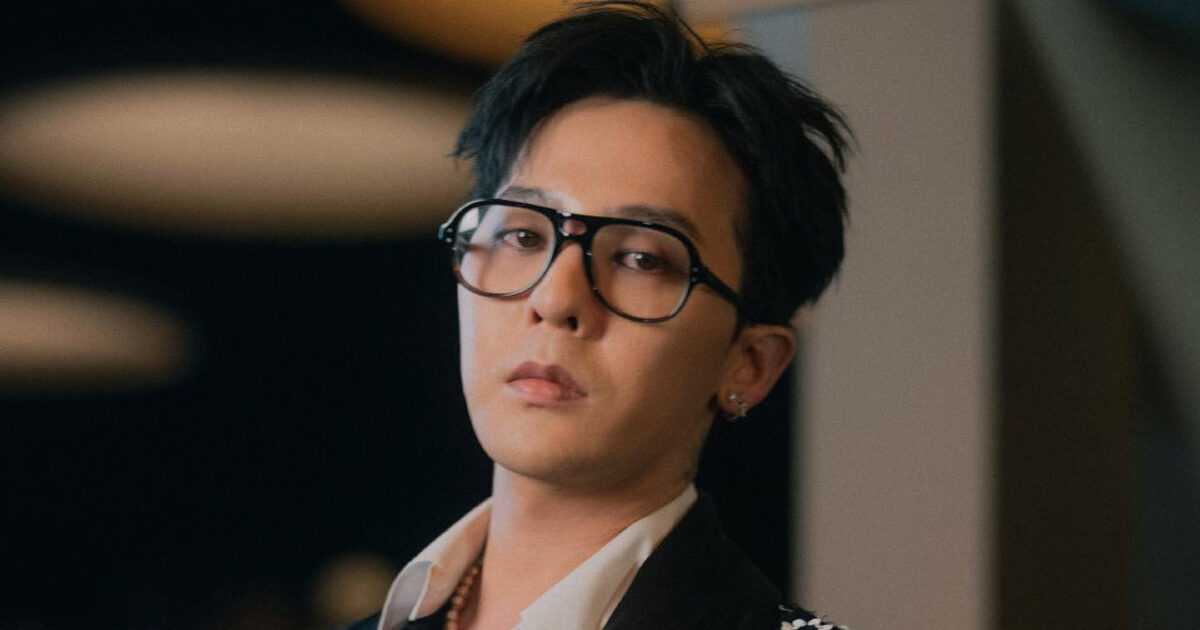
The statement concluded with a pledge toward future inclusivity: "Going forward, we will act with greater responsibility and care to ensure that the diverse cultural backgrounds and values of global fans are respected in all activities involving our artist."
The Role of Fashion and Styling in K-Pop
To understand the weight of this controversy, one must consider G-Dragon’s unique position in the entertainment industry. Unlike many idols who follow strict styling guidelines provided by their agencies, G-Dragon is widely recognized as a creative director in his own right. He has served as a brand ambassador for Chanel for over a decade and has his own fashion label, PEACEMINUSONE.
Industry analysts suggest that in the world of high-fashion streetwear, "sampling" and "provocation" are often used as creative tools. However, when these tools intersect with racial slurs and historical trauma, the result is often a collision between artistic intent and social harm. In this instance, the garment in question appeared to be a piece of vintage or reconstructed streetwear—a style G-Dragon frequently champions. The failure to vet the text on such a piece is seen by many as a systemic failure within the agency’s "visual team," which is tasked with ensuring that an artist’s aesthetic does not violate the ethical or social standards of their global audience.
Supporting Data: K-Pop’s Global Reach and Cultural Friction
The controversy arrives at a time when the South Korean music industry is under intense scrutiny regarding its relationship with Black culture. Historically, K-pop has drawn heavy inspiration from hip-hop, R&B, and soul—genres rooted in the Black experience. As the industry has expanded into a multi-billion dollar global phenomenon, the demand for "cultural competency" has increased among its diverse consumer base.
According to data from the International Federation of the Phonographic Industry (IFPI), South Korea remains one of the top music markets in the world, with a significant portion of its revenue coming from North America, Europe, and Southeast Asia. A 2023 survey of global K-pop fans indicated that over 70% of respondents felt that agencies should provide "cultural sensitivity training" to their artists and staff. This incident with G-Dragon is not an isolated case; over the past decade, several prominent K-pop groups and soloists have faced backlash for issues ranging from cultural appropriation (such as the use of sacred symbols or traditional hairstyles) to the use of racial epithets in lyrics or on clothing.
Broader Impact and Industry Implications
The fallout from this incident has several implications for G-Dragon’s career and the K-pop industry at large. First, it poses a challenge to Galaxy Corporation, a relatively new home for G-Dragon after his departure from his long-time agency, YG Entertainment. The agency’s ability to handle this crisis effectively will be a litmus test for how they manage a global superstar of his caliber.

Second, the incident highlights a recurring "blind spot" in the Hallyu (Korean Wave) movement. While South Korean entertainment has successfully localized content for global audiences, the nuances of Western racial history—specifically the weight of anti-Black slurs—are sometimes treated as aesthetic choices rather than deeply harmful language. This disconnect often leads to a cycle of "offense, apology, and repetition" that many international fans find increasingly difficult to forgive.
Legal and branding experts suggest that such controversies can have tangible financial consequences. For an artist like G-Dragon, who maintains lucrative partnerships with global luxury brands, maintaining a clean and socially responsible image is paramount. While a single incident of poor styling may not end a career, a pattern of cultural insensitivity can lead to the termination of endorsement deals and exclusion from major international festivals.
Analysis of Agency Accountability
Galaxy Corporation’s promise to "thoroughly review and improve internal verification processes" suggests a shift toward a more corporate, risk-averse model of artist management. In the past, styling was often seen as a purely aesthetic endeavor. In the modern landscape, it is increasingly viewed through the lens of "Compliance and Ethics."
Moving forward, it is expected that major K-pop agencies will begin employing "cultural consultants" to vet music videos, lyrics, and wardrobe choices. This is already becoming standard practice for Western labels operating in global markets, and the K-pop industry appears to be following suit out of necessity. The apology issued by Galaxy Corporation is an acknowledgment that the "global fan" is no longer a peripheral audience but a central stakeholder in an artist’s success.
Conclusion and Future Outlook
The controversy surrounding G-Dragon’s outfit at the Macau K-SPARK event serves as a stark reminder of the complexities of global fame. While G-Dragon remains a titan of the industry, this incident has left a mark on his recent activities, forcing a shift in focus from his musical performance to his agency’s administrative failures.
The efficacy of Galaxy Corporation’s promised reforms remains to be seen. However, the speed and directness of their apology indicate a recognition that the "old ways" of ignoring international backlash are no longer viable. As K-pop continues to dominate the global stage, the industry’s survival and continued growth will likely depend on its ability to move beyond apologies and toward a genuine, informed respect for the diverse cultures that contribute to its success. For G-Dragon, the path forward involves rebuilding trust with a global audience that looks to him not just as a musician, but as a leader in the global cultural dialogue.