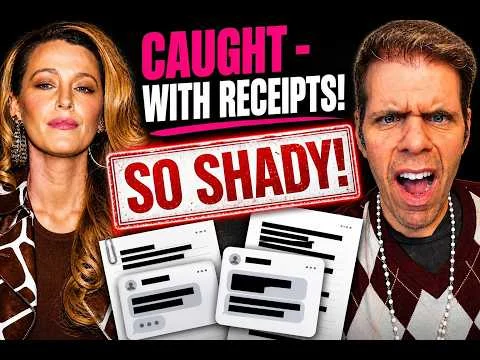

Background of the It Ends With Us Adaptation
Colleen Hoover’s novel It Ends With Us exploded onto the literary scene, particularly gaining immense traction through BookTok, a community on TikTok dedicated to books. Published in 2016, the novel tackles sensitive themes including domestic abuse, generational trauma, and complicated relationships, resonating deeply with millions of readers worldwide. Its immense popularity made a film adaptation inevitable, and the announcement of its production was met with a mix of excitement and trepidation from its dedicated fanbase.
The adaptation quickly became a high-profile project, with Blake Lively cast in the pivotal role of Lily Bloom and Justin Baldoni (who also directs) as Ryle Kincaid. The casting decisions, particularly Lively’s, generated significant discussion among fans, as many had strong pre-conceived notions about the characters. Lively’s involvement was not limited to acting; she also took on an executive producer role, signaling a deeper creative and strategic commitment to the project. Other notable cast members mentioned in the original report include Jenny Slate and Isabella Ferrer, further rounding out the ensemble. The production process itself has been closely watched, with fans eagerly anticipating behind-the-scenes glimpses and official release dates. The film is produced by Wayfarer Studios and Sony Pictures.
The Alleged "Unsealed Document" and Its Implications
The core of the recent controversy stems from Perez Hilton’s claim of a "newly unsealed document" related to the It Ends With Us production. In the entertainment industry, "unsealed documents" typically refer to court filings, contractual agreements, or internal communications that were previously confidential but have been made public, often as part of legal proceedings, regulatory investigations, or discovery processes. Without explicit details about the nature of this document, it is challenging to ascertain the precise context of the alleged "shady" behavior attributed to Ms. Lively.
However, in the landscape of film production and celebrity endorsements, various scenarios could lead to such claims. These might include:
- Contractual Disputes: Allegations of breach of contract, undisclosed financial dealings, or conflicts of interest related to Lively’s roles as both lead actress and executive producer. This could involve issues with compensation, profit participation, creative control clauses, or obligations related to promotional activities.
- Intellectual Property Rights: Potential disputes over the use of intellectual property, such as marketing materials, character interpretations, or even elements of the story that might have been developed outside the agreed-upon framework.
- Publicity and Endorsement Conflicts: Given Lively’s high profile and numerous brand partnerships (including her own lifestyle brand, Preserve, and her association with companies like Taylor Swift through shared social circles, as alluded to by the mention of "Sourdough" – a known interest of Swift), a document might reveal conflicts arising from promotional obligations for the film versus personal endorsements.
- Ethical Lapses: While not necessarily illegal, certain actions could be deemed ethically questionable within industry standards, such as leveraging influence for personal gain in ways not explicitly outlined in agreements, or undisclosed collaborations that could create an unfair advantage.
- Misrepresentation or Non-Disclosure: Claims of providing misleading information or failing to disclose pertinent details during negotiations or production.
The term "shady af" used by the blogger, while colloquial, suggests a perceived lack of transparency or integrity. If substantiated, any of these scenarios could lead to significant reputational damage, potential legal actions (such as lawsuits for breach of contract or fraud), or regulatory scrutiny, depending on the specific nature of the alleged actions.
Timeline of Key Events (Inferred and Actual)
To provide context to the ongoing developments, a chronology of events relevant to the It Ends With Us adaptation and the individuals involved is essential:
- August 2, 2016: Colleen Hoover’s novel It Ends With Us is first published, gradually building a massive following.
- July 2019: The novel gains significant traction on TikTok’s "BookTok" community, catapulting it to bestseller lists years after its initial release.
- January 2023: It is officially announced that Wayfarer Studios and Sony Pictures will adapt It Ends With Us into a feature film. Justin Baldoni is confirmed to direct and star as Ryle Kincaid.
- January 26, 2023: Blake Lively is officially cast as Lily Bloom. Her involvement as an executive producer is also confirmed.
- April 2023: Filming for It Ends With Us begins in New Jersey. Initial set photos and fan reactions regarding casting and character appearances emerge.
- May 2023 – July 2023: Production is temporarily halted due to the WGA (Writers Guild of America) strike and subsequently the SAG-AFTRA (Screen Actors Guild – American Federation of Television and Radio Artists) strike, impacting numerous Hollywood productions.
- Early 2024: Production resumes following the resolution of the strikes.
- Early 2026 (Projected): It Ends With Us is anticipated to be in post-production, with promotional activities gearing up for a release later in the year.
- May 3, 2026: Perez Hilton publishes the report referencing a "newly unsealed document" and alleging "shady" behavior by Blake Lively.
The timing of this alleged document’s unsealing, if accurate, coincides with a crucial period for the film’s marketing and release, potentially amplifying any negative publicity.
Statements and Reactions from Related Parties (Inferred)
As of the latest reports, specific, official statements from Blake Lively, Ryan Reynolds (who is referenced tangentially as Lively’s husband), Justin Baldoni, Colleen Hoover, or the studios involved (Wayfarer Studios, Sony Pictures) regarding Perez Hilton’s claims have not been made public.
In typical high-profile situations involving celebrity allegations, the standard operating procedure for public relations and legal teams often involves:
- Silence or "No Comment": Often, the initial response is to refrain from commenting, especially if the claims are vague or unsubstantiated, to avoid legitimizing the narrative or providing more fuel for speculation.
- Internal Review: Legal and management teams would immediately conduct an internal review of all relevant contracts and communications to understand the basis of the claims and prepare a strategic response.
- Issuing a Formal Denial: If the allegations are deemed baseless, a formal statement denying the claims and possibly threatening legal action for defamation might be issued.
- Strategic Leak or Counter-Narrative: In some cases, information might be strategically leaked to friendly media outlets to present a different perspective or dilute the impact of the original allegations.
- Focus on the Project: Studios and producers typically try to steer the narrative back to the film itself, emphasizing its artistic merit and the collective effort, rather than getting entangled in personal controversies.
Given the mention of Ryan Reynolds in the original report, despite his lack of direct involvement in It Ends With Us, his public relations team would likely be monitoring the situation closely, as such allegations could indirectly affect his brand and reputation due to their marital connection. Both Lively and Reynolds maintain carefully curated public images, often portrayed as a powerful and wholesome Hollywood couple, making any claims of "shady" dealings particularly impactful.
Broader Impact and Implications
The allegations, if proven true, could have multifaceted implications across several domains:
1. Impact on Blake Lively’s Career and Image:
Lively has cultivated an image as a savvy businesswoman, a fashion icon, and a talented actress. Allegations of unethical or legally questionable conduct could significantly tarnish this meticulously built public persona. It could affect her future casting opportunities, brand endorsement deals, and her credibility as a producer. The public’s perception, particularly among the loyal fanbase of It Ends With Us, could shift dramatically, potentially leading to a backlash.
2. Impact on the It Ends With Us Film:
A major controversy involving its lead actress and executive producer could overshadow the film’s release. While negative publicity sometimes generates curiosity, sustained allegations of misconduct can alienate audiences, especially for a film that deals with sensitive topics like domestic abuse, where the integrity of its creators is paramount. Studio partners like Sony Pictures would be keen to mitigate any potential financial or reputational damage, which could lead to increased scrutiny on the film’s marketing strategy or even affect its theatrical performance.
3. Industry Precedent and Scrutiny:
The entertainment industry operates on complex contractual agreements and often involves high stakes. If the alleged "shady" actions relate to contractual breaches or conflicts of interest, it could lead to increased scrutiny of how celebrity producers manage their dual roles and how studios safeguard their investments against such issues. It could also prompt a re-evaluation of standard operating procedures for talent contracts and transparency requirements. The case could serve as a cautionary tale or, conversely, a precedent for how such disputes are handled legally and publicly.
4. The Role of Celebrity Gossip and Journalism:
Perez Hilton’s report highlights the continued influence of celebrity gossip outlets, even as traditional media landscapes evolve. While often sensationalized, such reports can sometimes bring to light genuine issues that warrant further investigation. The challenge for mainstream journalism is to discern fact from speculation and to report on such claims with objectivity and without adopting the original source’s often inflammatory language. The very title "Is This ILLEGAL?" underscores the speculative nature, emphasizing that legality is a determination requiring specific evidence and due process.
5. Ryan Reynolds’ Indirect Involvement:
The mention of Ryan Reynolds, despite his non-involvement in the film’s production, underscores the interconnectedness of celebrity relationships. Public perception of one partner can often affect the other, especially when they share a prominent public profile. Reynolds’ own business ventures and carefully crafted comedic, yet astute, public persona would likely be shielded from any direct impact, but the association could still create an uncomfortable spotlight.
Conclusion
The claims made by Perez Hilton regarding a "newly unsealed document" and alleged "shady" behavior by Blake Lively introduce a significant element of uncertainty into the highly anticipated release of It Ends With Us. While the specifics of the document and the nature of the alleged actions remain unconfirmed, the entertainment industry is now closely watching for further developments. The situation underscores the intricate web of legal, ethical, and public relations challenges that can arise in high-profile film productions involving major celebrities. Until more concrete information emerges, and official statements are made, the allegations remain in the realm of speculation, albeit with the potential for substantial ramifications if substantiated. The imperative for all involved parties, and for responsible journalism, is to prioritize factual reporting and due process over sensationalism.