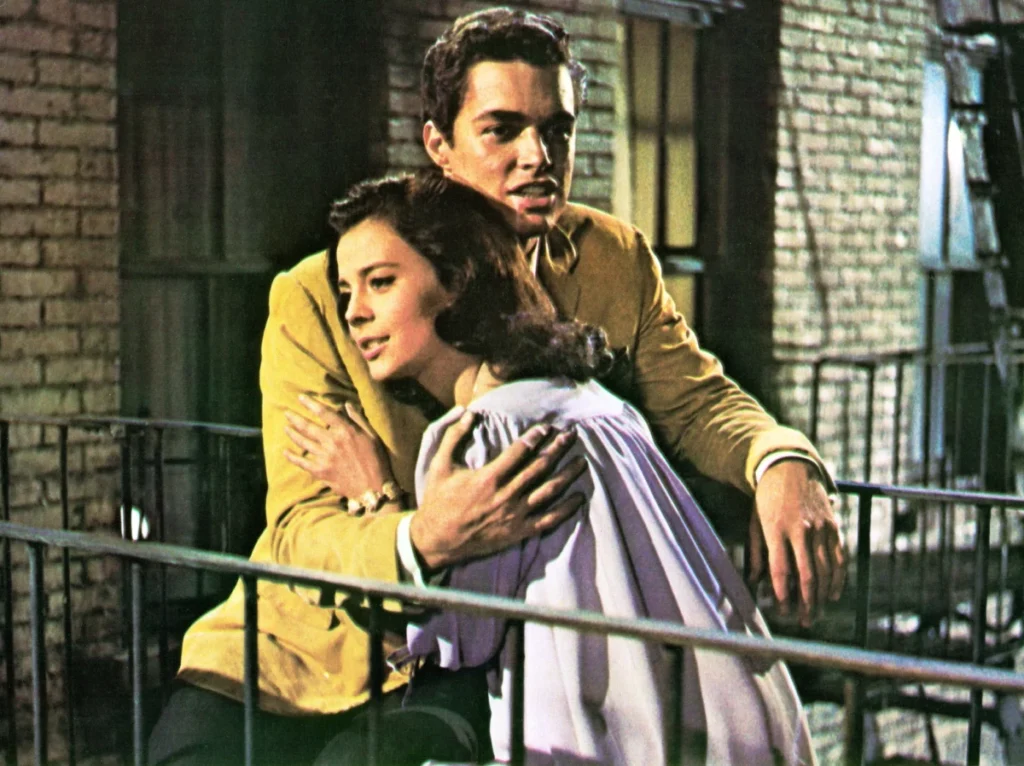

Released on October 18, 1961, Robert Wise and Jerome Robbins’ cinematic adaptation of West Side Story transcended its status as a film to become a cultural touchstone of the 1960s, its enduring appeal leading to numerous revivals and adaptations across decades. This groundbreaking musical, a modern reimagining of William Shakespeare’s timeless tragedy Romeo and Juliet, not only dominated the box office as the highest-grossing film of its release year but also achieved unprecedented critical acclaim, securing ten Academy Awards, including the coveted Best Picture Oscar. This remarkable success solidified West Side Story‘s position as one of the most influential and celebrated musicals in cinematic history. Over six decades after its premiere, the legacy of this iconic film continues to resonate, prompting reflection on the lives and contributions of its principal cast members, both those who remain active and those whose contributions are now cherished memories.
A Landmark Adaptation: Bringing the Stage to the Screen
The journey of West Side Story from a Broadway sensation to a cinematic masterpiece was a testament to the ambitious vision of its creators and the evolving capabilities of filmmaking in the early 1960s. The original Broadway production, which premiered in 1957, had already captivated audiences with its innovative choreography, poignant score by Leonard Bernstein, and searing lyrics by Stephen Sondheim. It tackled mature themes of gang violence, racial prejudice, and forbidden love in a way that was both daring and deeply human.
Translating this raw energy and emotional intensity to the big screen presented a significant challenge. Directors Robert Wise, a seasoned filmmaker known for his work on The Day the Earth Stood Still and The Sound of Music, and Jerome Robbins, the choreographer of the original Broadway show, collaborated to ensure the film captured the spirit of its stage predecessor while leveraging the visual medium. Robbins’s groundbreaking choreography, which integrated dance as a narrative element rather than mere embellishment, was meticulously translated and expanded upon for the film. Wise’s directorial prowess brought a cinematic scope and a gritty realism to the urban landscape of New York City, vividly portraying the turf wars between the Sharks and the Jets.
The casting process was critical. Natalie Wood was chosen to portray Maria, the innocent Puerto Rican girl whose love for Tony ignites the central conflict. Richard Beymer took on the role of Tony, a former member of the Jets yearning for a different life. Rita Moreno, who would go on to win an Academy Award for her electrifying performance as Anita, Maria’s confidante, brought a fiery spirit and undeniable charisma to the role. George Chakiris, as Bernardo, the leader of the Sharks and Maria’s protective brother, also earned an Oscar for his portrayal. The ensemble cast, comprised of talented dancers and actors, further enriched the film’s vibrant tapestry.
Box Office Triumph and Critical Acclaim: A Decade-Defining Phenomenon
Upon its release, West Side Story was an immediate commercial and critical success. Audiences flocked to theaters, drawn by the film’s innovative musical numbers, compelling story, and the sheer spectacle of its production. The film’s innovative use of location shooting in New York City’s Upper West Side, then slated for urban renewal, added a layer of authenticity and poignancy. The vibrant cinematography captured the gritty reality of the neighborhood juxtaposed with the romantic idealism of the central love story.
The film’s financial performance was extraordinary. It grossed over $44 million in its initial U.S. release, making it the highest-grossing film of 1961. Globally, its earnings continued to climb, cementing its status as a major box office hit. This commercial success was mirrored by an overwhelming wave of critical praise. Reviewers lauded the film for its daring subject matter, its masterful direction, its unforgettable score, and its groundbreaking choreography.
The Academy Awards recognized West Side Story‘s exceptional achievements with a record-breaking ten wins out of eleven nominations. Beyond Best Picture, the film also received Oscars for Best Director (Robert Wise), Best Supporting Actor (George Chakiris), Best Supporting Actress (Rita Moreno), Best Cinematography, Best Film Editing, Best Original Score, Best Sound, Best Art Direction, and Best Costume Design. This sweep of the major awards underscored the film’s artistic merit and its profound impact on the musical genre. The only award it did not win was Best Screenplay, a testament to the film’s visual and musical storytelling prowess.
The Enduring Legacy: A Timeless Tale of Love and Conflict
More than sixty years later, West Side Story continues to be celebrated for its powerful themes and artistic innovations. The film’s exploration of themes such as immigration, prejudice, socio-economic disparity, and the destructive nature of gang violence remains relevant today. The tragic love story of Tony and Maria, caught between warring factions, serves as a potent metaphor for the societal divisions that continue to plague communities worldwide.
The film’s musical numbers, choreographed by Robbins and featuring Bernstein’s iconic score, are not merely songs and dances but integral components of the narrative, expressing the characters’ emotions and driving the plot forward. Songs like "Maria," "Tonight," "America," and "Somewhere" have become standards in popular culture, resonating with audiences across generations.
West Side Story‘s influence can be seen in countless subsequent films, stage productions, and even in the way musical storytelling is approached. Its willingness to tackle serious social issues within the framework of a musical opened doors for more complex and thematic productions in both film and theater. The film has been revived numerous times on stage and was famously re-imagined for the screen again in 2021 by director Steven Spielberg, a testament to its enduring power and the continued fascination with its narrative.
The Cast Then and Now: A Look at the Enduring Stars
The success of West Side Story launched or solidified the careers of many of its cast members. It is remarkable that, over six decades later, several of the film’s core stars are still with us, continuing to engage with the arts and their iconic roles.
Natalie Wood (Maria): The luminous Natalie Wood, who embodied the innocent yet resilient Maria, tragically passed away in 1981 at the age of 43. Her career was marked by a string of critically acclaimed performances in films like Rebel Without a Cause and Splendor in the Grass. Her early death left a void in Hollywood, but her performance in West Side Story remains a cherished part of her legacy.
Richard Beymer (Tony): Richard Beymer, who portrayed the earnest Tony, continued his acting career after West Side Story, appearing in films such as The Diary of Anne Frank and Twin Peaks. While not as consistently in the spotlight as some of his co-stars, Beymer has maintained a presence in the entertainment industry, often reflecting on his seminal role.
Rita Moreno (Anita): A true legend of stage and screen, Rita Moreno remains an active and vibrant force in Hollywood. Her Oscar-winning performance as Anita was a pivotal moment in her career, a role she has revisited with pride and insight. Moreno has enjoyed a prolific career, earning EGOT status (Emmy, Grammy, Oscar, Tony Award) and continuing to captivate audiences with her talent, humor, and unwavering spirit. She has spoken extensively about the importance of the film and the groundbreaking representation it offered. Her continued work in television, film, and theater demonstrates her enduring passion and commitment to her craft.
George Chakiris (Bernardo): George Chakiris, who won an Oscar for his charismatic portrayal of Bernardo, also enjoyed a successful career in film and television, particularly in Europe. He has remained connected to the legacy of West Side Story, participating in retrospectives and offering his perspectives on the film’s impact. Chakiris has often highlighted the camaraderie among the cast and the profound experience of making the film.
Supporting Cast Members: Many other talented individuals contributed to the magic of West Side Story. Actors like Russ Tamblyn, who played Riff, the leader of the Jets, and Sue Lyon, who played the tragic Juliet in John Huston’s The Night of the Iguana, also carved out notable careers. Sadly, many of the original cast members have since passed away, their contributions indelibly etched into the film’s rich history. These include the actors who played other members of the Sharks and Jets, whose vibrant performances formed the backbone of the film’s energetic ensemble.
A Look Back and Forward: The Enduring Resonance of West Side Story
The enduring appeal of West Side Story lies in its ability to speak to universal human experiences: the yearning for love, the pain of loss, the struggle against societal constraints, and the devastating consequences of hatred and misunderstanding. The film’s fusion of Shakespearean tragedy with contemporary urban realism, set to a brilliant score and innovative choreography, created a cinematic event that continues to captivate and inspire.
The fact that several of its principal stars are still alive to share their memories and perspectives adds a unique and poignant dimension to the film’s legacy. These living links to the production offer invaluable insights into the creative process, the challenges faced, and the profound impact the film had on their lives and careers. Their continued engagement with the public ensures that the stories behind the making of West Side Story are preserved and shared, enriching our understanding and appreciation of this cinematic landmark.
As audiences continue to revisit West Side Story through screenings, home video, and new adaptations, its themes of prejudice, immigration, and the search for belonging remain strikingly relevant. The film serves not only as a powerful piece of entertainment but also as a timeless reminder of the enduring human capacity for both great love and devastating conflict, and the urgent need for empathy and understanding in a fractured world. The continued discussion and appreciation of West Side Story ensure that its message and its artistic brilliance will resonate for generations to come.