
San Francisco, California – Frameline, the world-renowned LGBTQ+ film festival based in San Francisco, is poised to mark a monumental milestone with its 50th edition, scheduled to unfold from June 17-27. This half-century celebration cements Frameline’s status as a pivotal cultural institution, not only within the Bay Area but globally, serving as a vital platform for queer voices and stories in cinema. To commemorate this extraordinary occasion, the festival has curated three distinct and highly anticipated selections for its opening night, centerpiece, and Pride kickoff films, each reflecting the vibrant diversity and profound history of LGBTQ+ experiences.
A Triumphant Opening: ‘Lady Champagne’ Unleashes "Dragsploitation" Spectacle
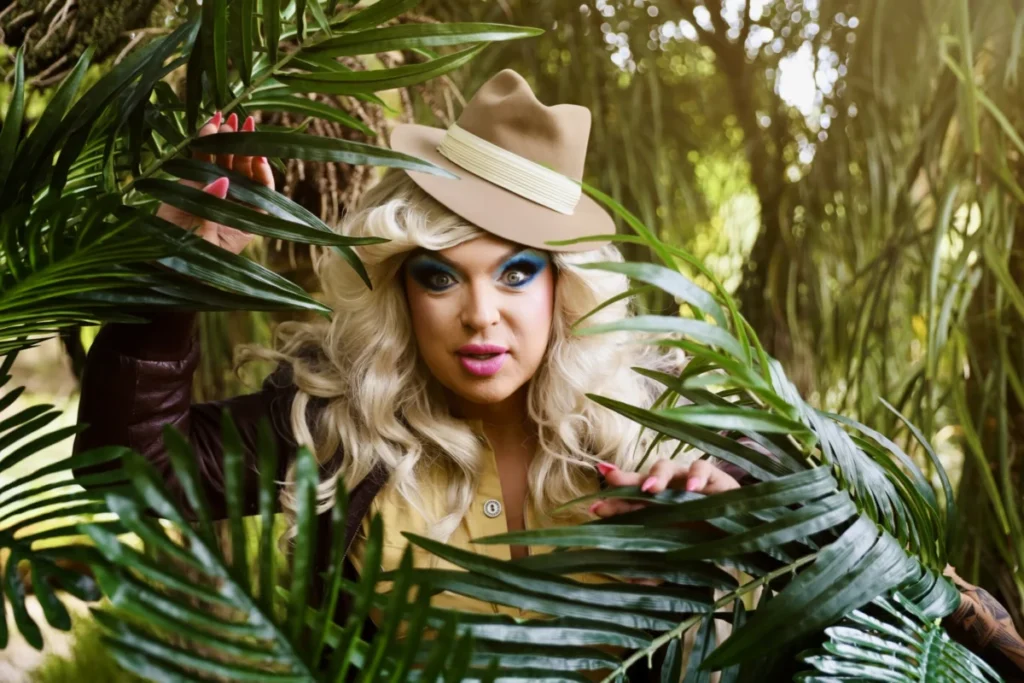
Kicking off the 2026 edition with an explosion of San Francisco flair, Frameline50 will premiere D’Arcy Drollinger’s Lady Champagne on opening night at the iconic Castro Theatre. Drollinger, a celebrated figure in San Francisco’s vibrant drag and performance art scene, not only wrote and directed this sequel to his cult hit Shit & Champagne but also stars as the titular character. The film promises a raucous "dragsploitation" slapstick comedy, following exotic dancer Champagne White as she navigates a frame-up for murder, a stint in "lady prison," and a grand escape utilizing her formidable arsenal of disguises, razor-sharp one-liners, and dazzling dance moves. Her ultimate mission: to dismantle a sinister perfume empire.
The decision to feature Lady Champagne as the opening film is a powerful nod to San Francisco’s unique cultural identity and its unwavering support for queer artistry. Filmed entirely within the city, the project is a love letter to its specific brand of irreverent humor and theatricality. The ensemble cast further underscores its deep roots in the drag community, featuring prominent names such as Matthew Martin and appearances by drag luminaries like Alaska Thunderfuck, Varla Jean Merman, Jackie Beat, Peaches Christ, and Nicki Jizz, among others. Drollinger’s work embodies the spirit of audacious, unapologetically queer cinema that Frameline has championed for decades, promising an energetic and unforgettable start to the festival. His previous work, Shit & Champagne, garnered significant attention for its campy aesthetic and over-the-top performances, solidifying Drollinger’s reputation as a master of queer comedy. The sequel is expected to build on this foundation, offering audiences a potent blend of action, humor, and social commentary wrapped in a glittering package.
Honoring a Pioneer: ‘Barbara Forever’ Celebrates a Lesbian Filmmaking Icon
On June 25, Frameline50 will present Brydie O’Connor’s Barbara Forever at the Castro Theatre as its centerpiece film. This documentary offers an intimate exploration into the life, work, and enduring legacy of Barbara Hammer, a towering figure in lesbian and experimental cinema. The screening marks a poignant full-circle moment for Frameline, as Hammer — renowned for groundbreaking works such as 1974’s Dyketactics, often cited as the first film by a lesbian about lesbians; 1992’s Nitrate Kisses, an unflinching exploration of queer history; and 2008’s A Horse Is Not a Metaphor, a deeply personal reflection on her battle with cancer — had a long-standing relationship with the festival. She screened numerous films at Frameline throughout her illustrious career and was honored with a Frameline Award in 2000, recognizing her immense contributions to queer cinema.

Barbara Hammer’s impact on filmmaking, particularly within the LGBTQ+ community, cannot be overstated. Her radical approach to storytelling, her commitment to depicting lesbian experiences with honesty and artistry, and her pioneering use of experimental techniques broke barriers and paved the way for future generations of queer filmmakers. Her work challenged societal norms, explored sexuality with unapologetic candor, and gave voice to a community often rendered invisible by mainstream media. Barbara Forever is not just a tribute; it is a vital act of historical preservation, ensuring that Hammer’s revolutionary spirit and artistic legacy continue to inspire and educate. The documentary is expected to delve into her creative process, her political activism, and the personal struggles that shaped her groundbreaking body of work, offering audiences a profound insight into a true cinematic icon.
Pride Kickoff: ‘Hunky Jesus’ Explores San Francisco’s Unique Easter Tradition
Serving as the festival’s Pride kickoff film, Jennifer M. Kroot’s Hunky Jesus will screen at the Castro Theatre on June 26. This documentary, true to its captivating title, shines a spotlight on the unique and beloved "Hunky Jesus" competition. This annual event, held every Easter Sunday, is orchestrated by the Sisters of Perpetual Indulgence, San Francisco’s iconic order of satirical drag nuns. The film offers a deep dive into this idiosyncratic celebration, which blends irreverence, spirituality, community, and radical self-expression.
The Sisters of Perpetual Indulgence, founded in San Francisco in 1979, have become global symbols of queer activism and community service. Known for their distinctive habits, white-painted faces, and playful yet profound approach to challenging religious dogma and promoting human rights, the Sisters have consistently used humor and spectacle to advocate for LGBTQ+ causes, raise awareness about AIDS, and promote safer sex. The "Hunky Jesus" competition, a highlight of their Easter Sunday events, sees contestants embodying various interpretations of a "Hunky Jesus," often with satirical, humorous, or politically charged undertones. It’s a testament to San Francisco’s counter-cultural spirit and its ability to intertwine the sacred and the profane in a truly unique way.
The documentary gains further gravitas with narration by the legendary George Takei, an actor and activist whose voice resonates deeply within the LGBTQ+ community. The film also features prominent Sisters of Perpetual Indulgence members, including Sister Roma, a long-standing and highly visible figure, and Honey Mahogany, a celebrated drag performer and political activist. Hunky Jesus is more than just a film about a quirky competition; it’s a cultural anthropology of a specific queer tradition, exploring themes of identity, faith, community, and the power of performance as a form of protest and celebration. Its selection as the Pride kickoff film perfectly encapsulates the joyful defiance and rich cultural tapestry of the LGBTQ+ movement.
Frameline’s Enduring Legacy: Fifty Years of Queer Cinema
Frameline’s 50th edition is not merely a collection of films; it is a testament to five decades of unwavering dedication to LGBTQ+ storytelling, representation, and community building. Founded in 1977 as the San Francisco International LGBTQ+ Film Festival, it quickly grew from a small, grassroots endeavor to become the longest-running and largest LGBTQ+ film festival in the world. Its genesis coincided with a burgeoning gay rights movement and a desperate need for media representation that accurately reflected queer lives, rather than stereotypes or invisibility.

Over its fifty-year chronology, Frameline has served as a critical incubator for countless filmmakers, providing a crucial platform for their work when mainstream avenues were often closed. During the height of the AIDS epidemic in the 1980s and 1990s, the festival became a vital space for remembrance, activism, and the sharing of stories that often went untold elsewhere. It documented the crisis, celebrated lives lost, and galvanized community action, demonstrating the profound social and political power of cinema.
Frameline has consistently pushed boundaries, championing diverse narratives that span genres, cultures, and identities within the vast LGBTQ+ spectrum. Its programming has evolved with the times, reflecting shifts in queer culture, political landscapes, and cinematic innovation. From early experimental films to contemporary narratives, documentaries, and shorts, Frameline has showcased the full breadth of queer experience, fostering understanding, empathy, and dialogue. The festival has not only screened films but has also played a significant role in distribution, ensuring that these vital stories reach wider audiences beyond the festival circuit.
The Castro Theatre: A Hallowed Home for Queer Cinema
The choice of the Castro Theatre as the primary venue for these marquee screenings is deeply symbolic. A majestic movie palace opened in 1922, the Castro Theatre has long been a cultural landmark and a spiritual home for San Francisco’s LGBTQ+ community. Situated in the heart of the Castro District, one of the world’s most iconic gay neighborhoods, the theatre has witnessed countless historic moments, protests, celebrations, and film premieres that have shaped queer history. Its opulent interior, grand organ, and rich cinematic tradition make it an unparalleled setting for a festival of Frameline’s stature. The theatre itself is a testament to San Francisco’s enduring commitment to cultural preservation and its embrace of diverse communities. Its continued role as a central venue for Frameline underscores the deep connection between the festival, its audience, and the vibrant history of the Castro.
Statements, Impact, and the Future
Allegra Madsen, Frameline’s executive director, eloquently articulated the profound significance of this year’s selections and the festival’s enduring mission: “San Francisco doesn’t just watch films, we make them, break them open and remake them in our own image. These three films are San Francisco stories about the artists, the activists, the drag queens, the dykes and the queers who built this city’s culture and dared to put it on screen.” Her statement encapsulates the ethos of Frameline and San Francisco itself – a city that not only tolerates but actively celebrates and fosters groundbreaking queer artistry. Madsen added, “That Frameline gets to open its 50th year with them, at the Castro, feels less like coincidence and more like destiny. Fifty years in, Frameline is still history in the making.” This sentiment resonates deeply with the festival’s historical trajectory, highlighting its role not just as a retrospective but as an active shaper of future narratives.
The broader implications of Frameline’s 50th anniversary are significant. In an era where LGBTQ+ rights continue to be debated globally, and queer visibility is both celebrated and challenged, festivals like Frameline remain indispensable. They provide crucial platforms for emerging filmmakers, foster community engagement, and contribute significantly to the cultural dialogue surrounding gender identity and sexual orientation. The economic impact on San Francisco is also substantial, with thousands of attendees, filmmakers, and industry professionals converging on the city, boosting local businesses, tourism, and hospitality sectors.

Festival Hub and Partnerships
To further enhance the festival experience and foster community engagement, Frameline will launch a dedicated festival hub at Hamburger Mary’s, a beloved Castro District eatery, from May 14 to June 14, and again during select hours from June 18-26. This hub will serve as a central gathering point for attendees, offering opportunities for networking, discussion, and celebration.
The festival’s enduring success and expansive reach are also supported by a robust network of official partners. Frameline50 is presented by Alaska Airlines, Amazon, Comcast NBCUniversal, Gilead, Hilton San Francisco Union Square, Parc 55 Hotel, and PACT Studio. The involvement of such diverse and prominent partners underscores the festival’s mainstream recognition and its significant cultural and economic standing. These partnerships are crucial for allowing Frameline to maintain its high-quality programming, expand its outreach efforts, and ensure accessibility for a wide range of audiences.
The full program for Frameline50, featuring hundreds of films from around the globe, will be unveiled on May 13, promising a comprehensive and diverse cinematic journey for all attendees. More information on ticketing, scheduling, and the festival in general can be found on the official Frameline website. As Frameline embarks on its next fifty years, it continues to be a beacon of innovation, advocacy, and celebration for LGBTQ+ cinema worldwide.